Goji Berry
Lycium barbarum
Fruit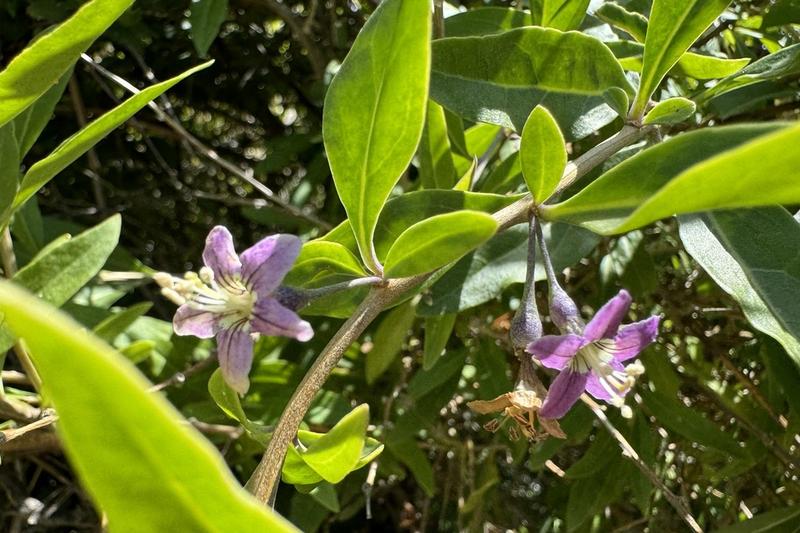
Quick facts
- Watering
- Weekly when establishing, fortnightly established
- Sunlight
- Full sun
- Soil
- Well-drained, slightly alkaline
- Humans
- Safe
- Cats
- Toxic
- Dogs
- Toxic
- Height
- 200–300 cm
- Spread
- 150–250 cm
- Spacing
- 150–200 cm apart
About Goji Berry
Goji Berry is a deciduous shrub native to China, producing bright red, nutrient-rich berries prized for their health benefits. Growing 2–3 metres tall, it features arching stems with narrow grey-green leaves and small purple flowers from June to September. UK gardeners increasingly grow goji for its ornamental appeal and abundant crops of sweet-tart berries that ripen from August onwards. The plant is remarkably hardy and tolerates a wide range of British conditions, making it suitable for gardens across the country.
UK fact: Goji Berry thrives particularly well in southern and eastern England, where warm summers encourage heavy cropping, though it performs admirably even in cooler northern regions thanks to its exceptional cold tolerance.
Watering Goji Berry
Water newly planted goji weekly during the first growing season to establish a deep root system. Once established, plants are remarkably drought-tolerant and typically need watering only during prolonged dry spells in summer, roughly every two weeks. Increase watering frequency during flowering and fruiting (June to September) to support berry development, ensuring soil remains moist but never waterlogged. Container-grown plants require more frequent watering, potentially twice weekly in hot weather.
Sunlight requirements
Goji Berry requires full sun to produce the best crops, ideally receiving at least six hours of direct sunlight daily. In the UK, position plants in a south- or west-facing spot sheltered from strong winds. Whilst the plant tolerates partial shade, berry production and sweetness will be significantly reduced in shadier positions.
Soil and feeding
Goji Berry thrives in well-drained soil and is remarkably unfussy about soil type, tolerating sandy, loamy, or even poor soils. It prefers a slightly alkaline pH between 6.5 and 8.0, making it well-suited to chalky soils common in parts of southern England. Avoid heavy clay that retains water, as waterlogged roots can lead to rot. If your soil is acidic, incorporate lime before planting to raise the pH.
Feed goji plants sparingly, as excessive nitrogen encourages leafy growth at the expense of berries. Apply a balanced general-purpose fertiliser in early spring, or use a potassium-rich tomato feed once flowering begins in June to promote fruiting. Mulch annually with well-rotted compost to maintain soil fertility.
Pruning Goji Berry
Prune goji in late winter or early spring before new growth emerges, removing dead, damaged, or crossing branches to maintain an open structure. Cut back the previous year's growth by about one-third to encourage vigorous new shoots that will bear the current season's fruit. Goji produces berries on current season's wood, so regular pruning improves yields. Remove any suckers that emerge from the base to prevent the plant spreading excessively.
Propagating Goji Berry
Goji Berry propagates readily from semi-ripe cuttings taken in July or August, rooted in a mix of compost and sharp sand with bottom heat. Hardwood cuttings taken in winter also root successfully, though more slowly. The plant can be grown from seed sown in spring, but seedlings may take three to four years to fruit and won't come true to type. Established plants produce suckers that can be carefully dug up and transplanted in autumn or early spring.
Common problems
Goji Berry is relatively pest-free in the UK, though aphids may occasionally colonise young shoot tips in spring and can be controlled with insecticidal soap or by encouraging natural predators. Powdery mildew can affect foliage in humid conditions with poor air circulation; ensure adequate spacing and prune to maintain airflow. The main cultural problem is excessive vigour and suckering, which can make the plant invasive if not managed through regular pruning and sucker removal. Birds may take ripe berries, so netting may be necessary to protect crops.
Spot a problem with your plant? Photograph the affected area using the Loam app and it will suggest the most likely cause and treatment.
Safety
- Humans
- Safe
- Cats
-
Toxic
Unripe berries and leaves contain solanine and may cause gastrointestinal upset if consumed by cats.
- Dogs
-
Toxic
Unripe berries and leaves contain solanine and may cause vomiting or diarrhoea if consumed by dogs.
Toxicity information is for general guidance only. If a pet has been exposed to this plant and you are concerned, seek advice from a vet.
Seasonal care calendar
Monthly care guide for Goji Berry in the UK, based on average conditions.
| Month | Care tasks |
|---|---|
| January | Plant bare-root specimens during mild spells. Prune established plants if not done in December. |
| February | Complete winter pruning before buds break. Apply general-purpose fertiliser around the base. |
| March | Mulch with well-rotted compost. Plant container-grown specimens. Remove any emerging suckers. |
| April | Monitor for aphids on new growth. Water newly planted specimens weekly. |
| May | Continue watering young plants. Watch for first flowers appearing on new growth. |
| June | Purple flowers appear. Begin feeding with potassium-rich fertiliser to support fruiting. |
| July | Take semi-ripe cuttings for propagation. Water during dry spells, especially when berries form. |
| August | First berries ripen to bright red. Pick regularly to encourage further fruiting. Protect from birds if necessary. |
| September | Continue harvesting ripe berries. Main cropping period. Reduce watering as fruiting slows. |
| October | Final berry harvest. Plant new specimens. Transplant rooted suckers if desired. |
| November | Leaves begin to drop. Clear fallen foliage to reduce disease carryover. Plant bare-root stock. |
| December | Plant dormant bare-root specimens. Begin winter pruning if weather permits. |
Frequently asked questions
- How long does it take for goji berry plants to fruit in the UK?
- Container-grown goji plants typically produce their first berries in the second year after planting, with full cropping by year three. Plants grown from seed take three to four years to fruit. In the UK climate, expect berries to ripen from August through September, with established plants yielding 1–2 kg per season in favourable conditions.
- Why is my goji berry plant not producing many berries?
- Poor fruiting is usually caused by insufficient sunlight, over-feeding with nitrogen, or lack of pruning. The Loam app can help diagnose your specific growing conditions and send reminders for seasonal pruning and feeding to maximise your harvest.
- Can I grow goji berries in containers in the UK?
- Yes, goji grows well in large containers (minimum 45 cm diameter) filled with well-drained, loam-based compost. Container plants require more frequent watering and feeding than those in the ground, but the restricted root space helps control the plant's vigour and suckering habit, making it ideal for patios and small gardens.
Got a question about growing Goji Berry that isn't covered here? Ask the Garden Advisor in the Loam app. It knows your saved plants and local conditions.
Related plants
This page was compiled with AI assistance and reviewed by our team. .