Geum
Geum
Perennials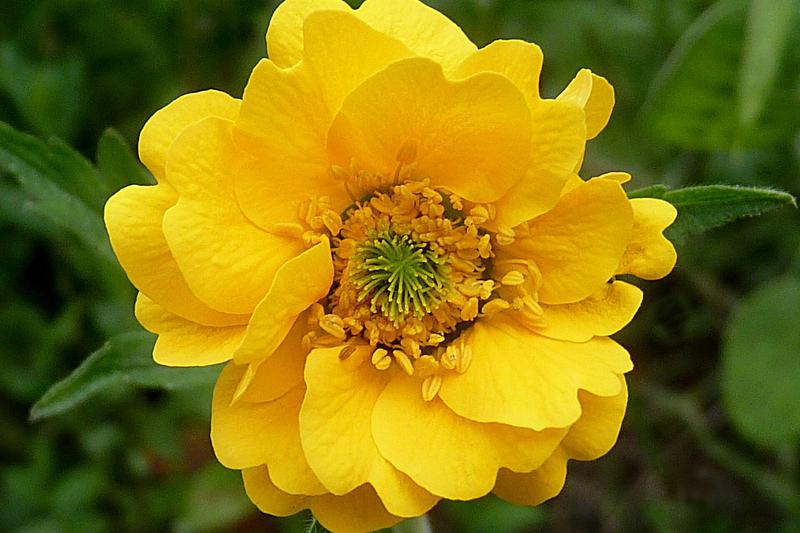
Quick facts
- Watering
- Weekly during dry spells
- Sunlight
- Full sun to partial shade
- Soil
- Moist but well-drained, fertile
- Humans
- Safe
- Cats
- Safe
- Dogs
- Safe
- Height
- 30–60 cm
- Spread
- 30–45 cm
- Spacing
- 30–40 cm apart
- RHS recognition
- Award of Garden Merit
About Geum
Geum is a cheerful herbaceous perennial prized for its saucer-shaped flowers in vibrant shades of red, orange, yellow, and pink that appear from late spring through summer. Native to temperate regions including Europe, these cottage garden favourites form neat clumps of strawberry-like foliage topped with wiry stems bearing single or semi-double blooms. UK gardeners value Geum for their long flowering season, compact habit, and ability to thrive in borders and containers alike. They're particularly effective at the front of mixed borders where their bright flowers provide months of colour.
UK fact: Several Geum cultivars hold the RHS Award of Garden Merit, including 'Mrs J. Bradshaw' (scarlet-red) and 'Lady Stratheden' (golden-yellow), both of which have been popular in British gardens since the early 20th century and remain cottage garden staples.
Watering Geum
Water Geum regularly during spring and summer, providing approximately 2.5 cm of water weekly if rainfall is insufficient. These plants dislike drought and will flag quickly in dry conditions, though established clumps show reasonable tolerance once their roots are deep. During typical British summers, natural rainfall often suffices, but container-grown specimens and newly planted Geum require supplementary watering. Reduce watering in autumn and winter when plants are dormant, ensuring soil doesn't become waterlogged during wet periods.
Sunlight requirements
Plant Geum in a position receiving at least six hours of direct sunlight daily for the best flowering performance. In hotter, drier areas of southern England, light afternoon shade helps prevent stress during summer heatwaves. North-facing borders with morning sun are suitable but may produce fewer flowers than sunnier spots.
Soil and feeding
Plant Geum in fertile, humus-rich soil that retains moisture during summer but drains freely in winter. Heavy clay soils benefit from the addition of grit and well-rotted compost to improve drainage, whilst sandy soils require generous organic matter to boost moisture retention. Geum tolerates a wide pH range from slightly acidic to slightly alkaline (pH 6.0–7.5) but performs best in neutral conditions. Avoid planting in waterlogged sites where crowns may rot during wet winters.
Feed Geum in March with a general-purpose granular fertiliser such as blood, fish and bone, scattering a handful around each clump and watering in well. A second light feed in midsummer after the main flush helps promote repeat flowering. Avoid high-nitrogen feeds which encourage leafy growth at the expense of blooms.
Pruning Geum
Remove faded flowers throughout the flowering season to encourage further blooms and prevent self-seeding, cutting back to a leaf joint or basal foliage. In autumn, once flowering has finished, you can leave the foliage over winter to protect crowns, then cut back dead leaves to ground level in February or March before new growth emerges. Alternatively, tidy plants in October if foliage becomes unsightly. Divide congested clumps every three to four years in spring to maintain vigour.
Propagating Geum
Division is the most reliable method for propagating Geum, particularly for named varieties. Lift established clumps in March or April, or in September, and carefully tease apart the crown into sections, ensuring each has roots and shoots. Species Geum can be grown from seed sown in pots in a cold frame in spring, though cultivars must be divided to maintain their characteristics. Root cuttings taken in winter also work but are more labour-intensive.
Common problems
Geum is generally trouble-free but can suffer from vine weevil, particularly in containers, where adults notch leaf edges and larvae damage roots. Powdery mildew may appear on foliage during dry summers, especially on plants in poor air circulation. Crown rot can occur in waterlogged winter conditions, causing plants to collapse; ensure excellent drainage to prevent this. Aphids occasionally cluster on new growth in spring but rarely cause serious damage.
Spot a problem with your plant? Photograph the affected area using the Loam app and it will suggest the most likely cause and treatment.
Safety
- Humans
- Safe
- Cats
- Safe
- Dogs
- Safe
Toxicity information is for general guidance only.
Seasonal care calendar
Monthly care guide for Geum in the UK, based on average conditions.
| Month | Care tasks |
|---|---|
| January | No action needed. Plants are fully dormant. |
| February | Cut back any remaining dead foliage to ground level before new growth emerges. |
| March | Apply balanced fertiliser around clumps. Divide congested plants. Mulch with compost. |
| April | New foliage expands rapidly. Water during dry spells. Watch for aphids on young growth. |
| May | First flowers appear. Begin regular deadheading to prolong display. |
| June | Peak flowering period. Deadhead regularly and water weekly if dry. Stake taller varieties if needed. |
| July | Continue deadheading. Apply light liquid feed to encourage repeat flowering. Water during hot spells. |
| August | Flowering continues with regular deadheading. Maintain watering in dry weather. |
| September | Late flowers fade. Divide plants if needed. Reduce watering as growth slows. |
| October | Cut back tatty foliage or leave to protect crowns over winter. Clear away debris. |
| November | Plants enter dormancy. Ensure soil drainage is adequate to prevent winter waterlogging. |
| December | No action needed. Plants are dormant. |
Frequently asked questions
- When should I deadhead Geum?
- Deadhead Geum regularly throughout the flowering season from late spring to midsummer, removing spent flowers as soon as they fade. Cut back to the nearest leaf or side bud to encourage more blooms. This prevents energy going into seed production and can extend flowering into early autumn.
- Why are my Geum leaves turning brown?
- Brown leaves usually indicate drought stress during hot, dry weather. Geum dislikes dry soil and needs regular watering in summer. Powdery mildew can also cause browning; improve air circulation and water at the base rather than overhead. Use the Loam app to diagnose leaf problems with photos and get personalised watering reminders based on your local weather.
- What soil does Geum need?
- Geum thrives in moist but well-drained soil enriched with organic matter. It prefers neutral to slightly alkaline conditions (pH 6.5–7.5) and struggles in heavy clay that stays waterlogged or very dry, sandy soils. Add compost or well-rotted manure when planting to improve moisture retention whilst ensuring good drainage.
Got a question about growing Geum that isn't covered here? Ask the Garden Advisor in the Loam app. It knows your saved plants and local conditions.
Related plants
This page was compiled with AI assistance and reviewed by our team. .