Foxglove
Digitalis purpurea
Perennials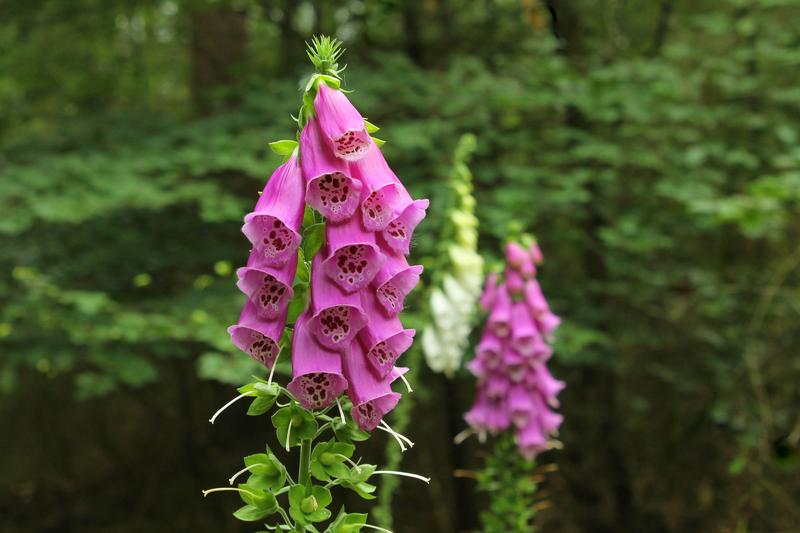
Quick facts
- Watering
- Weekly during dry spells
- Sunlight
- Partial shade to full sun
- Soil
- Moist, well-drained, humus-rich
- Humans
- Toxic
- Cats
- Toxic
- Dogs
- Toxic
- Height
- 90–180 cm
- Spread
- 30–60 cm
- Spacing
- 45–60 cm apart
- RHS recognition
- Award of Garden Merit
About Foxglove
Foxglove is a classic British cottage garden biennial or short-lived perennial, producing tall spires of tubular flowers in shades of pink, purple, white, and cream. Native to the UK and Western Europe, it thrives in woodland edges and hedgerows, bringing vertical drama to shaded borders. British gardeners cherish foxgloves for their ability to self-seed freely, creating naturalistic drifts that attract bumblebees and other pollinators. The architectural flower spikes can reach impressive heights, making them invaluable for adding structure to informal planting schemes.
UK fact: Foxglove has been used in British medicine since the 18th century when William Withering discovered its cardiac properties, and it remains the source of the heart medication digitalis, though all parts of the plant are highly toxic.
Watering Foxglove
Foxgloves prefer evenly moist conditions and struggle in prolonged drought, particularly on free-draining soils. Water weekly during dry periods from April to July, applying a thorough soak rather than frequent light sprinklings. In typical British summers with regular rainfall, established plants rarely need supplementary watering except during heatwaves. Mulching around the base helps retain moisture and keeps roots cool.
Sunlight requirements
In the UK, foxgloves are naturally woodland plants that thrive in partial shade, particularly under deciduous trees or on north-facing borders. They will tolerate full sun in Scotland and northern England, but in southern counties, afternoon shade prevents scorching and reduces water stress. Avoid deep shade, which produces weak, leggy growth and fewer flowers.
Soil and feeding
The ideal soil is rich in organic matter with good moisture retention but adequate drainage to prevent waterlogging in winter. Foxgloves tolerate a pH range from slightly acidic to neutral (5.5–7.5), making them suitable for most British gardens. Improve heavy clay with compost and grit, or enrich sandy soils with well-rotted manure or leaf mould before planting. They perform particularly well in woodland-type soils high in humus.
Apply a 5cm layer of garden compost or well-rotted manure as a mulch in early spring to provide gentle, sustained nutrition. Avoid high-nitrogen feeds, which promote leafy growth at the expense of flowers. A single application of general-purpose fertiliser in April supports strong flower spike development.
Pruning Foxglove
Cut back the main flower spike after blooming to just above the basal leaves to promote smaller secondary spikes in late summer. If you wish to prevent self-seeding, remove all spent flowers before seed capsules ripen in July and August. For naturalised plantings, allow some spikes to set seed, then cut back the entire plant to ground level in autumn once foliage has died back. Always wear gloves when handling foxgloves due to their toxicity.
Propagating Foxglove
Sow seeds from May to July in trays or modules filled with seed compost, barely covering them as they need light to germinate. Keep at 15–20°C and expect germination within 14–21 days. Transplant seedlings into individual pots when large enough to handle, then plant out in autumn for flowering the following summer. Foxgloves self-seed prolifically, and seedlings can be transplanted while small to desired locations.
Common problems
Foxgloves are generally trouble-free but can suffer from powdery mildew in dry conditions, appearing as white patches on leaves. Aphids occasionally colonise young flower spikes in spring and should be removed by hand or with a jet of water. Leaf spot diseases can cause brown markings on foliage but rarely affect plant vigour. Slugs and snails may damage young seedlings, so protect with organic pellets or barriers until plants are established.
Spot a problem with your plant? Photograph the affected area using the Loam app and it will suggest the most likely cause and treatment.
Safety
- Humans
-
Toxic
All parts of foxglove are highly toxic if ingested, containing cardiac glycosides that affect heart rhythm. Even small amounts can cause nausea, vomiting, diarrhoea, and potentially fatal heart problems. Always wear gloves when handling and wash hands thoroughly afterwards.
- Cats
-
Toxic
Foxglove is extremely toxic to cats. Ingestion causes vomiting, diarrhoea, drooling, weakness, and potentially fatal cardiac arrhythmias. Seek immediate veterinary attention if consumption is suspected.
- Dogs
-
Toxic
Highly toxic to dogs. All parts contain dangerous cardiac glycosides that cause vomiting, diarrhoea, weakness, tremors, seizures, and heart failure. Contact a vet immediately if your dog has eaten any part of a foxglove plant.
Toxicity information is for general guidance only. If a person or pet has been exposed to this plant and you are concerned, seek advice from a medical professional or vet.
Seasonal care calendar
Monthly care guide for Foxglove in the UK, based on average conditions.
| Month | Care tasks |
|---|---|
| January | No action needed. Overwintering rosettes remain dormant. |
| February | Check for slug damage on emerging foliage and apply organic controls if necessary. |
| March | Apply mulch of compost around established plants. Remove any winter-damaged leaves. |
| April | Water during dry spells as flower spikes begin to develop. Watch for aphids on emerging buds. |
| May | Main flowering begins. Stake tall varieties in exposed positions. Sow seeds for next year's plants. |
| June | Peak flowering period. Continue sowing seeds. Deadhead spent spikes to encourage side shoots or leave to self-seed. |
| July | Final sowings for next year. Remove faded flower spikes unless saving seed. Water in dry weather. |
| August | Collect ripe seed if desired. Transplant self-sown seedlings to desired positions while small. |
| September | Plant out spring-sown seedlings to final positions. Cut back spent flowering stems to ground level. |
| October | Continue planting out young plants. Rosettes of foliage will develop over winter. |
| November | Tidy borders and remove any remaining dead stems. No further action required. |
| December | No action needed. Plants are fully dormant. |
Frequently asked questions
- When should I cut back foxgloves after flowering?
- Cut the main flower spike back to basal leaves immediately after flowering to encourage smaller side shoots. If you don't want self-seeding, remove all spikes before seeds ripen. For naturalised plantings, leave some to set seed, then cut everything to ground level in autumn.
- Why are my foxglove leaves turning yellow?
- Yellowing leaves can indicate several issues: overwatering, underwatering, nutrient deficiency, or fungal disease. Check soil moisture—foxgloves prefer moist but well-drained conditions. Yellow lower leaves are normal as plants mature, but widespread yellowing needs investigation. The Loam app can help diagnose the specific cause by analysing photos of your plant and tracking care conditions.
- What type of soil do foxgloves need?
- Foxgloves thrive in moist, well-drained soil enriched with organic matter. They prefer slightly acidic to neutral pH (5.5–7.0) but tolerate most soil types except waterlogged or very dry conditions. Before planting, dig in garden compost or well-rotted manure to improve moisture retention. They perform best in humus-rich woodland-type soils that don't dry out in summer.
Got a question about growing Foxglove that isn't covered here? Ask the Garden Advisor in the Loam app. It knows your saved plants and local conditions.
Related plants
This page was compiled with AI assistance and reviewed by our team. .