Fittonia
Fittonia albivenis
Houseplants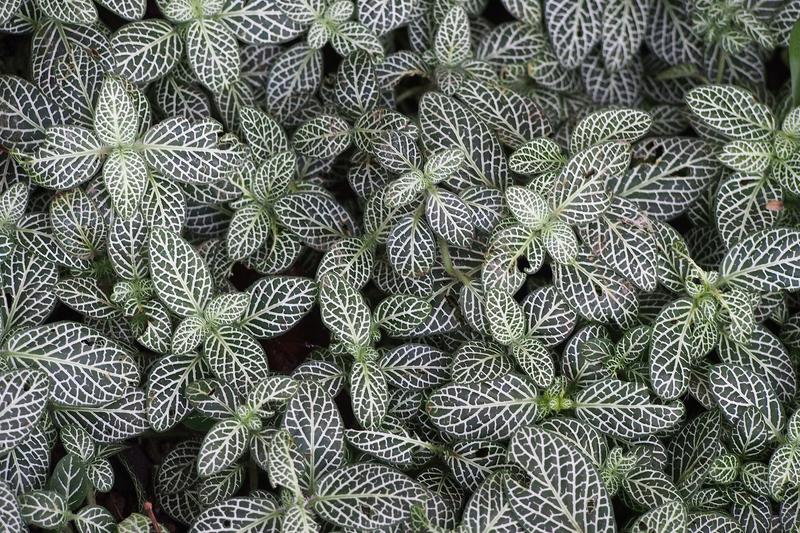
Quick facts
- Watering
- Twice weekly in growing season
- Sunlight
- Bright indirect light
- Soil
- Rich, moisture-retentive, well-draining
- Humans
- Safe
- Cats
- Safe
- Dogs
- Safe
- Height
- 10–15 cm
- Spread
- 15–30 cm
- Spacing
- 20–25 cm apart
About Fittonia
Fittonia is a striking tropical houseplant native to the rainforests of South America, prized for its intricately veined foliage in shades of white, pink, or red against deep green leaves. This low-growing, spreading plant has become a favourite among UK indoor gardeners for its dramatic appearance and compact size, making it ideal for terrariums, bottle gardens, and humid bathrooms. Though it requires consistent moisture and warmth, its stunning foliage rewards attentive care. Fittonia thrives in the controlled environment of British homes, where it adds year-round colour and texture.
UK fact: Fittonia became particularly popular in British Victorian terrariums and Wardian cases during the 19th century, where the enclosed humid environment perfectly suited its tropical nature and allowed it to flourish in draughty British homes.
Watering Fittonia
Water your Fittonia regularly to maintain evenly moist compost throughout the growing season, typically twice weekly in spring and summer, reducing to weekly in autumn and winter when growth slows. Use tepid water and ensure excess drains freely, as waterlogged roots will quickly rot. Fittonia is famously dramatic when thirsty, collapsing suddenly, but usually recovers within hours of watering. Maintain high humidity by misting daily, standing pots on pebble trays, or growing in naturally humid rooms like bathrooms.
Sunlight requirements
Position your Fittonia in a spot receiving bright, indirect light, such as an east-facing windowsill or a few feet back from a south-facing window in the UK. Avoid direct sunlight, which will bleach and burn the delicate leaves, particularly during summer months. North-facing rooms can work if sufficiently bright, though growth may be slower and leaf veining less vibrant.
Soil and feeding
Plant Fittonia in a high-quality, peat-free houseplant compost mixed with perlite or vermiculite to improve drainage whilst retaining moisture. A slightly acidic to neutral pH of 6.0–7.0 is ideal. The compost should feel spongy and moisture-retentive but never compacted or waterlogged. Adding a small amount of coir or leaf mould will help maintain the consistent moisture levels this tropical plant requires.
Apply a balanced liquid houseplant fertiliser at half strength every four weeks from April through September when the plant is actively growing. Avoid feeding during autumn and winter when growth naturally slows. Over-feeding can cause salt build-up in the compost and lead to brown leaf edges.
Pruning Fittonia
Prune Fittonia throughout the growing season by pinching out stem tips just above a leaf node to promote branching and maintain a full, bushy shape. Remove any yellowing or damaged leaves at the base to keep the plant tidy and prevent fungal issues. If the plant becomes straggly, cut back stems by up to half in spring to rejuvenate growth. Fittonia can become leggy in insufficient light, so regular pinching is essential for a compact specimen.
Propagating Fittonia
The easiest method is to take stem cuttings of 5–8 cm with at least two pairs of leaves during the active growing season from April to August. Cuttings root quickly in water or directly in moist compost, usually within two to three weeks in warm conditions. Division of established clumps when repotting is also successful. High humidity and warmth are essential for successful propagation.
Common problems
Fittonia is susceptible to aphids and spider mites, particularly in dry indoor conditions; maintain high humidity and inspect regularly. Overwatering causes root rot and yellowing leaves, whilst underwatering leads to dramatic wilting and crispy leaf edges. Brown leaf tips often indicate low humidity, fluoride in tap water, or fertiliser burn. Leggy growth with faded leaf colour signals insufficient light.
Spot a problem with your plant? Photograph the affected area using the Loam app and it will suggest the most likely cause and treatment.
Safety
- Humans
- Safe
- Cats
- Safe
- Dogs
- Safe
Toxicity information is for general guidance only.
Seasonal care calendar
Monthly care guide for Fittonia in the UK, based on average conditions.
| Month | Care tasks |
|---|---|
| January | Reduce watering to weekly and maintain humidity. Keep away from cold draughts and radiators. |
| February | Continue minimal watering. Mist regularly to combat dry indoor air from central heating. |
| March | Begin increasing watering frequency as light levels improve. Repot if rootbound before active growth begins. |
| April | Resume regular feeding and increase watering to twice weekly. Take cuttings for propagation. Pinch out tips to encourage bushiness. |
| May | Maintain consistent moisture and feed monthly. Continue pinching out growing tips for compact growth. |
| June | Water regularly and maintain high humidity during warmer weather. Propagate from stem cuttings. |
| July | Monitor for spider mites in warm, dry conditions. Mist daily and ensure compost stays moist. |
| August | Continue regular watering and feeding. Take final cuttings for propagation before autumn. |
| September | Begin reducing feeding frequency. Maintain watering but allow slight drying between waterings. |
| October | Stop feeding and reduce watering as growth slows. Ensure adequate humidity as heating comes on. |
| November | Water sparingly, only when compost surface feels dry. Maintain warmth and avoid cold windowsills. |
| December | Minimal watering required. Keep in warm, humid conditions away from draughts and temperature fluctuations. |
Frequently asked questions
- Why are my Fittonia leaves turning brown at the tips?
- Brown leaf tips usually indicate low humidity, fluoride or chlorine in tap water, or fertiliser burn from over-feeding. Increase humidity through misting or pebble trays, use filtered or rainwater, and reduce fertiliser strength to half the recommended dose.
- How do I know if my Fittonia is getting enough light and humidity?
- Fittonia shows clear signs when conditions aren't right: faded veining means insufficient light, whilst brown crispy edges indicate low humidity. The Loam app can help you monitor your specific conditions, send care reminders for misting and watering, and diagnose problems before they become serious by analysing photos of your plant.
- How do I propagate Fittonia from cuttings?
- Take 5–8cm stem cuttings with at least two leaf nodes in spring or summer. Remove lower leaves and place in water or moist compost, keeping humidity high with a clear plastic bag. Roots develop in 2–3 weeks. Pot up once roots are 2cm long. Propagation is an excellent way to create bushier plants or share with friends.
Got a question about growing Fittonia that isn't covered here? Ask the Garden Advisor in the Loam app. It knows your saved plants and local conditions.
Related plants
This page was compiled with AI assistance and reviewed by our team. .