Pineapple Lily
Eucomis comosa
Bulbs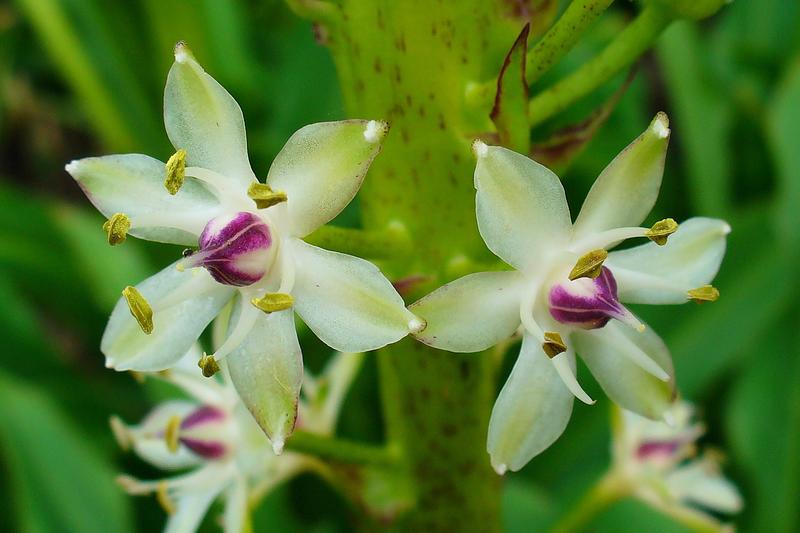
Quick facts
- Watering
- Weekly during growing season
- Sunlight
- Full sun to partial shade
- Soil
- Well-drained, fertile, humus-rich
- Humans
- Unknown
- Cats
- Unknown
- Dogs
- Unknown
- Height
- 30–60 cm
- Spread
- 20–30 cm
- Spacing
- 20–30 cm apart
- RHS recognition
- Award of Garden Merit
About Pineapple Lily
Pineapple Lily is a striking South African bulb prized for its exotic appearance and long-lasting summer flowers. The dense spikes of star-shaped blooms are topped with a tuft of leafy bracts, resembling a pineapple, and rise above rosettes of wavy-edged foliage. UK gardeners value this architectural plant for adding tropical flair to borders and containers, with flowers that persist from July through September and often develop attractive seedheads for autumn interest.
UK fact: Eucomis comosa received the RHS Award of Garden Merit in 1993, recognising its reliability in British gardens when given a sheltered spot and winter protection in colder regions.
Watering Pineapple Lily
Water regularly from spring through summer, keeping the soil consistently moist but never waterlogged during active growth and flowering. Reduce watering significantly after flowering finishes in autumn, allowing the soil to dry out as the foliage dies back. In winter, bulbs should be kept almost dry, particularly if left in the ground in colder regions. Container-grown plants may need watering twice weekly during hot spells.
Sunlight requirements
Pineapple Lily performs best in full sun, which encourages sturdy stems and prolific flowering. In the UK, a south or west-facing position is ideal, though plants will tolerate partial shade, particularly in warmer southern counties. Shelter from strong winds is important to prevent damage to the tall flower spikes.
Soil and feeding
Eucomis requires well-drained soil enriched with organic matter, as bulbs are prone to rotting in heavy, waterlogged conditions. A neutral to slightly acidic pH (6.0-7.0) is ideal. Improve clay soils with grit and compost before planting, or grow in raised beds or containers filled with a loam-based compost mixed with horticultural grit. Good drainage is particularly crucial during winter dormancy.
Apply a balanced liquid fertiliser fortnightly from when shoots emerge in spring until flower buds form. A high-potash feed can be used during flowering to support bloom quality and bulb development for the following year.
Pruning Pineapple Lily
Remove individual flower spikes once they fade, cutting back to the base, though many gardeners leave the attractive seedheads for autumn interest. Allow foliage to die back naturally in autumn before removing, as this allows nutrients to return to the bulb. Tidy away all dead leaves before winter to reduce the risk of fungal diseases.
Propagating Pineapple Lily
Pineapple Lily can be propagated by separating offsets from the parent bulb in spring, replanting them immediately at the same depth. Alternatively, sow fresh seed in autumn in a cold frame, though seedlings will take 3-4 years to reach flowering size. Division is the quickest method, with offset bulbs often flowering in their second year.
Common problems
Slugs and snails can damage emerging shoots and young foliage in spring, requiring vigilant control measures. Bulb rot is the most serious issue, typically caused by poor drainage or excessive winter moisture, particularly in heavy soils. In very cold winters without protection, bulbs may be damaged by hard frosts. Plants are generally disease-free but may occasionally suffer from leaf spot in wet summers.
Spot a problem with your plant? Photograph the affected area using the Loam app and it will suggest the most likely cause and treatment.
Safety
- Humans
-
Unknown
No confirmed toxicity data available, but as with many bulbous plants, ingestion should be avoided and bulbs may cause skin irritation in sensitive individuals.
- Cats
-
Unknown
No specific toxicity data available for cats; avoid ingestion as a precaution.
- Dogs
-
Unknown
No specific toxicity data available for dogs; avoid ingestion as a precaution.
Toxicity information is for general guidance only. If a person or pet has been exposed to this plant and you are concerned, seek advice from a medical professional or vet.
Seasonal care calendar
Monthly care guide for Pineapple Lily in the UK, based on average conditions.
| Month | Care tasks |
|---|---|
| January | No action needed; bulbs dormant underground. |
| February | No action needed; bulbs dormant underground. |
| March | Plant new bulbs 15cm deep in prepared soil or containers. Watch for emerging shoots and protect from slugs. |
| April | Continue slug protection as foliage emerges. Begin weekly watering and start fortnightly feeding programme. |
| May | Maintain regular watering and feeding. Stake tall varieties if needed in exposed positions. |
| June | Continue watering and feeding as flower spikes develop. Ensure soil remains moist but well-drained. |
| July | Enjoy the flowering display. Switch to high-potash feed. Deadhead spent blooms unless saving seed. |
| August | Continue watering and feeding. Remove faded flower spikes or leave seedheads for autumn interest. |
| September | Reduce watering as flowering finishes. Stop feeding. Allow foliage to die back naturally. |
| October | Remove dead foliage. Apply mulch in colder areas or lift bulbs for frost-free storage. Divide congested clumps. |
| November | Ensure winter protection is in place in cold regions. Keep soil dry if bulbs left in ground. |
| December | No action needed; bulbs dormant. Check stored bulbs remain dry and frost-free. |
Frequently asked questions
- When should I plant Pineapple Lily bulbs in the UK?
- Plant Pineapple Lily bulbs in March or April, once the risk of hard frost has passed. Plant them 15cm deep in well-drained soil enriched with compost, spacing bulbs 20-30cm apart. In colder regions, delay planting until late April or start bulbs in pots under cover for planting out in May.
- Why isn't my Pineapple Lily flowering?
- Non-flowering is often due to insufficient sunlight, poor feeding, or bulbs being too young or small. The Loam app can help you track feeding schedules and assess whether your plant's position provides adequate light, plus send reminders for seasonal care tasks to ensure strong flowering next year.
- Should I lift Pineapple Lily bulbs over winter?
- In mild UK regions (south and coastal areas), bulbs can remain in the ground with a thick mulch for protection. In colder areas, particularly in the north and Midlands, lift bulbs in October after foliage dies back, dry them, and store frost-free in barely moist compost until spring replanting.
Got a question about growing Pineapple Lily that isn't covered here? Ask the Garden Advisor in the Loam app. It knows your saved plants and local conditions.
Related plants
This page was compiled with AI assistance and reviewed by our team. .