Eccremocarpus
Eccremocarpus scaber
Climbers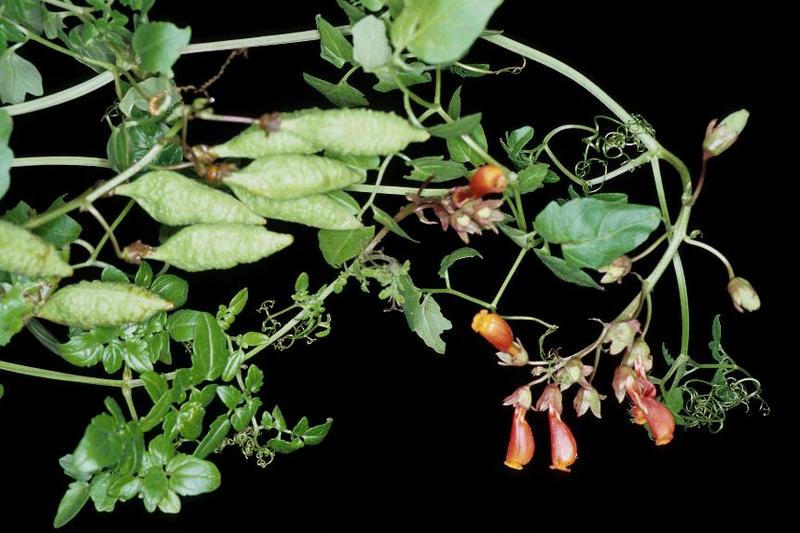
Quick facts
- Watering
- Weekly during growing season
- Sunlight
- Full sun
- Soil
- Well-drained, moderately fertile
- Humans
- Unknown
- Cats
- Unknown
- Dogs
- Unknown
- Height
- 300–500 cm
- Spread
- 100–200 cm
- Spacing
- 60–90 cm apart
- RHS recognition
- Award of Garden Merit
About Eccremocarpus
Eccremocarpus is a vigorous, fast-growing climber native to Chile, prized for its tubular orange, red, or yellow flowers that bloom profusely from summer through to autumn. This tender perennial uses delicate tendrils to scramble up supports, reaching impressive heights in a single season. UK gardeners value it for adding exotic colour to sunny walls, fences, and pergolas, often treating it as an annual in colder regions or protecting the roots through winter in milder areas.
UK fact: Eccremocarpus scaber has held the RHS Award of Garden Merit since 1993, recognising its reliable performance in British gardens despite its tender nature, and it often self-seeds freely in sheltered urban gardens and mild coastal areas of the UK.
Watering Eccremocarpus
Established plants require weekly watering during summer, increasing to twice weekly during prolonged dry periods. Young plants and those in containers need more frequent attention, potentially every two to three days in hot weather. Reduce watering significantly in autumn as growth slows, and keep almost dry over winter if protecting roots. Good drainage is essential as waterlogged roots, especially in winter, will cause the plant to rot.
Sunlight requirements
Position against a south-facing or west-facing wall where it will receive at least six hours of direct sunlight daily. In the UK, a sheltered sunny spot not only promotes flowering but also helps protect the plant from cold winds and frost damage. Avoid shaded positions as flowering will be sparse and growth leggy.
Soil and feeding
Plant in well-drained, moderately fertile soil with a neutral to slightly alkaline pH of 6.5–7.5. Heavy clay soils should be improved with grit and organic matter to enhance drainage, which is critical for winter survival. Avoid overly rich soils as these promote excessive leafy growth at the expense of flowers. In containers, use a loam-based compost such as John Innes No. 2 with added grit for drainage.
Apply a balanced liquid fertiliser every two weeks from late spring through to early autumn to support the plant's vigorous growth and prolific flowering. Switch to a high-potassium tomato feed once flowering begins to promote better flower production and colour. Avoid high-nitrogen feeds which encourage foliage at the expense of blooms.
Pruning Eccremocarpus
In mild areas where plants survive winter, cut back dead or frost-damaged stems to ground level in April once new growth appears from the base. During the growing season, pinch out growing tips of young plants to encourage bushier growth and more flowering stems. Deadheading spent flowers regularly prolongs the flowering period, though this can be impractical on large specimens. In autumn, leave some seed heads if you wish the plant to self-seed for next year's display.
Propagating Eccremocarpus
Seed is the most reliable propagation method, sown in March or April in a heated propagator or on a warm windowsill. Plants can also be propagated from softwood cuttings taken in late spring or early summer, though seed-raised plants are more vigorous. In mild areas, eccremocarpus often self-seeds freely, with seedlings appearing around the base of the parent plant in spring. Collect seed from dried pods in autumn and store in a cool, dry place until sowing time.
Common problems
Eccremocarpus is generally pest and disease-free in UK gardens, though aphids may occasionally colonise soft new growth in spring and summer, requiring treatment with insecticidal soap or biological controls. Red spider mite can be problematic on plants grown in hot, dry conditions under glass, causing leaf mottling and bronzing. The main issue is winter survival, as plants are killed by hard frosts below -5°C; in colder regions, protect the root crown with a deep mulch of bark or straw, or grow as an annual. Overwatering in winter causes root rot, the most common cause of plant death in milder areas where winter protection is attempted.
Spot a problem with your plant? Photograph the affected area using the Loam app and it will suggest the most likely cause and treatment.
Safety
- Humans
-
Unknown
No confirmed toxicity data available. As with all plants, avoid ingestion and supervise children.
- Cats
-
Unknown
No specific toxicity data available for cats. Monitor pets and contact a vet if plant material is consumed.
- Dogs
-
Unknown
No specific toxicity data available for dogs. Monitor pets and contact a vet if plant material is consumed.
Toxicity information is for general guidance only. If a person or pet has been exposed to this plant and you are concerned, seek advice from a medical professional or vet.
Seasonal care calendar
Monthly care guide for Eccremocarpus in the UK, based on average conditions.
| Month | Care tasks |
|---|---|
| January | No action needed. Protect roots of overwintering plants with mulch in cold areas. |
| February | Check winter protection remains in place. Order seeds for spring sowing. |
| March | Sow seeds indoors at 15–18°C. Cut back any frost-damaged growth on overwintered plants. |
| April | Continue sowing seeds. Prick out seedlings. Remove winter mulch as weather warms. |
| May | Harden off young plants. Plant out after last frosts in late May. Provide climbing support. |
| June | Water regularly as plants establish. Begin fortnightly feeding. Tie in new growth to supports. |
| July | Maintain regular watering and feeding. Deadhead spent flowers. Watch for aphids on new growth. |
| August | Continue watering and feeding regime. Enjoy peak flowering display. Collect seed pods as they ripen. |
| September | Reduce feeding frequency. Continue deadheading. Collect and store ripe seed for next year. |
| October | Stop feeding. Reduce watering. Leave some seed heads for self-seeding if desired. |
| November | Apply deep mulch over root crown in mild areas to protect through winter. Clear away annual plants in cold regions. |
| December | No action needed. Monitor winter protection during cold spells. |
Frequently asked questions
- How do I deadhead eccremocarpus?
- Regular deadheading of spent flower clusters encourages continuous blooming from June to October. Snip off faded tubular flowers where they join the stem using secateurs or pinch them off by hand. This prevents energy going into seed production and promotes fresh flowering shoots. In late summer, you may choose to leave some flowers to set seed for self-sowing or collecting.
- Why are my eccremocarpus leaves turning yellow?
- Yellowing leaves can indicate several issues: overwatering and poor drainage, underwatering during hot spells, or nutrient deficiency in container plants. Check soil moisture levels and ensure containers have adequate drainage holes. If you're unsure what's causing the problem, the Loam app can help diagnose the issue from a photo and provide personalised care advice based on your growing conditions.
- Can I take cuttings from eccremocarpus?
- Yes, eccremocarpus roots easily from softwood cuttings taken in late summer (August–September). Take 8–10cm non-flowering shoot tips, remove lower leaves, and insert into gritty compost. Keep in a propagator or cover with a plastic bag until rooted (usually 3–4 weeks). Overwinter young plants frost-free, then pot on in spring for planting out after the last frosts.
Got a question about growing Eccremocarpus that isn't covered here? Ask the Garden Advisor in the Loam app. It knows your saved plants and local conditions.
Related plants
This page was compiled with AI assistance and reviewed by our team. .