Clematis
Clematis
Climbers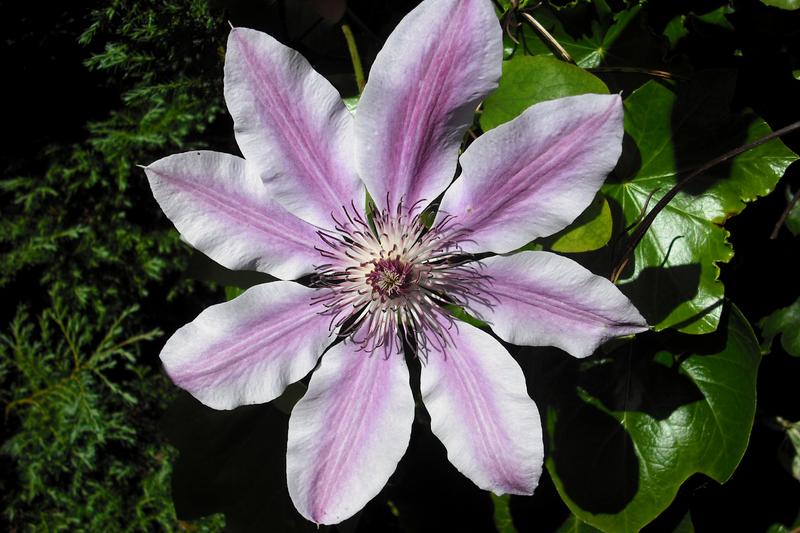
Quick facts
- Watering
- Weekly during growing season
- Sunlight
- Full sun to partial shade
- Soil
- Fertile, moist but well-drained
- Humans
- Toxic
- Cats
- Toxic
- Dogs
- Toxic
- Height
- 150–600 cm
- Spread
- 100–200 cm
- Spacing
- 100–150 cm apart
- RHS recognition
- Award of Garden Merit
About Clematis
Clematis are beloved deciduous or evergreen climbing plants renowned for their spectacular flowers ranging from delicate stars to large, showy blooms in every colour except true red. Native to temperate regions across the Northern Hemisphere, with many species originating from China and Japan, they have been cultivated in British gardens since the 16th century. UK gardeners prize clematis for their ability to clothe walls, fences, pergolas and obelisks with colour from early spring through to autumn, depending on variety. Their versatility, combined with relatively compact root systems, makes them ideal for both traditional cottage gardens and modern urban spaces.
UK fact: The RHS Plant Finder lists over 400 clematis varieties available in the UK, and numerous cultivars hold the RHS Award of Garden Merit, reflecting British gardeners' enduring love affair with this 'Queen of Climbers' since Victorian times.
Watering Clematis
Water clematis deeply once or twice weekly during dry spells in spring and summer, ensuring moisture reaches the root zone 30–45 cm below the surface. Newly planted specimens require particular attention during their first two growing seasons until established. In typical UK summers, established plants often manage with rainfall alone, but container-grown clematis need regular watering as pots dry out quickly. Reduce watering in autumn and winter when plants are dormant.
Sunlight requirements
Most clematis perform best with at least six hours of sunlight on their upper growth, ideally on south or west-facing aspects in the UK. However, the root zone benefits from shade and cool conditions, easily achieved by planting low-growing perennials or placing a flat stone at the base. Some varieties, particularly montana types and those with pale flowers, tolerate north and east-facing positions well.
Soil and feeding
The ideal soil is a fertile, humus-rich loam with good drainage, though clematis adapt to most soil types if improved with organic matter. They prefer neutral to slightly alkaline conditions (pH 6.5–7.5), though many tolerate mildly acidic soils. Before planting, dig in plenty of well-rotted compost or manure and ensure the planting hole is at least 45 cm deep. Plant the crown 5–8 cm below soil level to encourage strong basal shoots and provide insurance against clematis wilt.
Apply a general-purpose granular fertiliser such as Growmore or blood, fish and bone in early spring as growth begins. From late spring through summer, feed every two to three weeks with a liquid tomato fertiliser to promote abundant flowering. Mulch annually in spring with well-rotted compost or manure, keeping it clear of the stems.
Pruning Clematis
Clematis are divided into three pruning groups based on flowering time. Group 1 (early-flowering species like C. montana) need only removal of dead or damaged growth after flowering. Group 2 (large-flowered hybrids blooming in late spring/early summer) require light pruning in late winter, cutting back to strong buds and removing weak growth. Group 3 (late-flowering varieties) should be cut hard back to 30 cm above ground level in February or March. Always prune above a pair of healthy buds.
Propagating Clematis
The most successful propagation method for home gardeners is semi-ripe cuttings taken in June or July when stems are firm but not woody. Layering is even easier and almost foolproof, requiring minimal intervention. Division is possible for herbaceous types but not recommended for woody climbers. Seed propagation works for species clematis but cultivars won't come true, and germination can be erratic, sometimes taking 18 months.
Common problems
Clematis wilt (caused by the fungus Calophoma clematidina) is the most serious problem, causing stems to collapse suddenly, particularly affecting large-flowered hybrids; planting deeply helps plants recover by producing new shoots from below ground. Powdery mildew can affect foliage in dry conditions, especially on plants against walls, whilst aphids and earwigs may damage young growth and flower buds. Slugs and snails pose a significant threat to emerging shoots in spring. Yellowing leaves often indicate iron deficiency (chlorosis) in alkaline soils or poor drainage causing root stress.
Spot a problem with your plant? Photograph the affected area using the Loam app and it will suggest the most likely cause and treatment.
Safety
- Humans
-
Toxic
All parts of clematis contain irritant glycosides that can cause mouth pain, drooling, and stomach upset if ingested. Sap may cause skin irritation in sensitive individuals.
- Cats
-
Toxic
Clematis contains protoanemonin which causes drooling, vomiting, and diarrhoea in cats. Contact a vet if ingestion is suspected.
- Dogs
-
Toxic
Toxic to dogs, causing excessive drooling, vomiting, and diarrhoea if eaten. The bitter taste usually deters consumption but seek veterinary advice if ingested.
Toxicity information is for general guidance only. If a person or pet has been exposed to this plant and you are concerned, seek advice from a medical professional or vet.
Seasonal care calendar
Monthly care guide for Clematis in the UK, based on average conditions.
| Month | Care tasks |
|---|---|
| January | Check supports and ties are secure after winter weather. Begin pruning Group 3 clematis if conditions are mild and dry. |
| February | Complete pruning of Group 3 clematis, cutting back hard to strong buds 30 cm above ground. Apply slow-release granular fertiliser around the base. |
| March | Lightly prune Group 2 clematis, removing weak growth and cutting back to strong buds. Mulch with well-rotted compost. Watch for emerging shoots and protect from slugs. |
| April | Tie in new growth regularly to supports. Begin liquid feeding regime. Plant new clematis, ensuring crown is 5–8 cm below soil level. |
| May | Early-flowering varieties bloom. Deadhead Group 1 clematis after flowering if required. Continue tying in growth and feeding fortnightly. |
| June | Peak flowering for Group 2 varieties. Prune Group 1 clematis after flowering if needed. Take semi-ripe cuttings. Water regularly during dry spells. |
| July | Continue taking cuttings. Lightly prune Group 2 after first flush of flowers to encourage second blooming. Maintain watering and feeding schedule. |
| August | Group 3 clematis in full flower. Deadhead spent blooms unless seed heads are desired. Continue watering during dry periods. |
| September | Late-flowering varieties still blooming. Reduce feeding frequency. Plant new clematis while soil is still warm. |
| October | Allow seed heads to develop for autumn interest. Cease feeding. Clear fallen leaves from around the base to reduce disease risk. |
| November | Plant bare-root clematis. Tidy evergreen varieties if needed. Check ties and supports before winter weather arrives. |
| December | No action needed. Plants are dormant. Enjoy decorative seed heads and plan next year's planting combinations. |
Frequently asked questions
- How do I prune clematis correctly?
- Pruning depends on your clematis group. Group 1 (early-flowering species like C. montana) needs only light tidying after flowering. Group 2 (large-flowered hybrids) requires removing dead stems in February and light trimming after the first flush. Group 3 (late-flowering varieties) should be cut back hard to 30 cm in February/March. Incorrect pruning is the main reason clematis fail to flower. Always identify your variety's group first—check the label or use a plant identification tool to be certain.
- Why are my clematis leaves turning yellow?
- Yellowing leaves can indicate several issues: overwatering or poor drainage, nutrient deficiency (particularly iron or nitrogen), underwatering during dry spells, or root damage. Check soil moisture levels—clematis like moist but well-drained conditions. If only lower leaves are yellow, this may be natural as the plant matures. For persistent problems with discolouration, spotting, or other symptoms, a plant diagnosis tool can help identify whether it's a watering issue, nutrient problem, or disease, and provide tailored treatment advice.
- What type of support does clematis need?
- Clematis climb using leaf tendrils that twist around thin supports, so they need structures with gaps or wires they can grip—typically 5–10 mm thick. Suitable supports include trellis, obelisks, wire mesh, pergolas, or even other shrubs and trees. Avoid solid fences without additional wires or trellis. For containers, use a sturdy framework at least 1.8 m tall. Guide young stems initially by tying them loosely, as clematis won't cling to smooth surfaces or thick posts on their own.
Got a question about growing Clematis that isn't covered here? Ask the Garden Advisor in the Loam app. It knows your saved plants and local conditions.
Related plants
This page was compiled with AI assistance and reviewed by our team. .