Climbing Rose
Rosa (climbing)
Climbers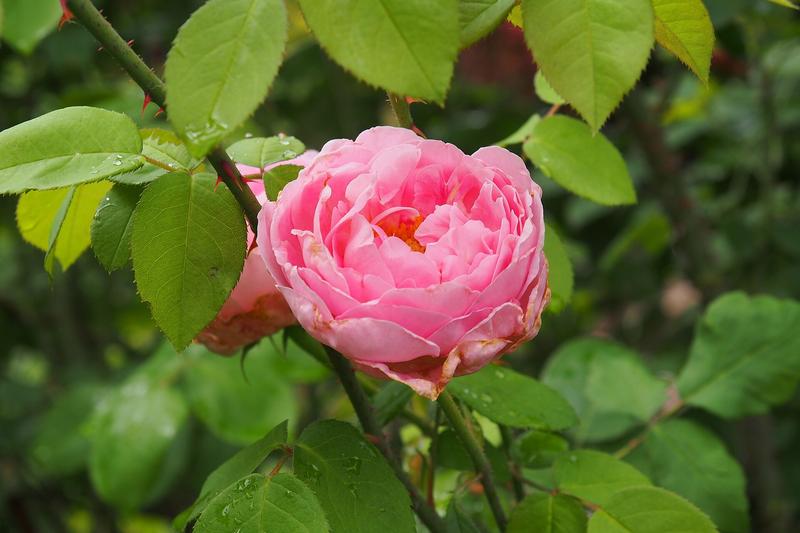
Quick facts
- Watering
- Weekly during growing season
- Sunlight
- Full sun
- Soil
- Rich, moisture-retentive, well-drained
- Humans
- Safe
- Cats
- Safe
- Dogs
- Safe
- Height
- 250–500 cm
- Spread
- 150–300 cm
- Spacing
- 200–250 cm apart
- RHS recognition
- Award of Garden Merit
About Climbing Rose
Climbing roses are vigorous, long-caned roses that produce spectacular displays of flowers on walls, fences, arches and pergolas throughout the British summer. Unlike rambling roses, climbers typically have stiffer stems, repeat-flower throughout the season, and are more suited to smaller gardens. They originated from breeding programmes that combined the repeat-flowering habit of modern bush roses with the climbing vigour of species roses. UK gardeners prize them for their ability to transform vertical spaces with colour and fragrance whilst requiring relatively little ground space.
UK fact: Many climbing roses hold the RHS Award of Garden Merit, with British-bred varieties such as 'Compassion' (raised in 1973) and 'Warm Welcome' remaining amongst the most popular choices for UK gardens due to their disease resistance and reliability in our variable climate.
Watering Climbing Rose
Newly planted climbing roses require regular watering for the first two years until established, typically once or twice weekly during dry periods. Established plants are relatively drought-tolerant but perform best with deep weekly watering from April to September, particularly during flowering. In the UK, natural rainfall is often sufficient from October to March, but water during dry winters if plants are against walls where rain shadow reduces moisture. Always water at the base rather than overhead to minimise fungal disease risk.
Sunlight requirements
Position climbing roses in full sun for optimum flowering, ideally on a south or west-facing wall or fence. In the UK, avoid north-facing aspects where plants receive insufficient light and are prone to fungal diseases due to poor air circulation and slow drying after rain. East-facing positions can work but may suffer frost damage to early spring growth.
Soil and feeding
Roses prefer a slightly acidic to neutral soil with a pH of 6.0–7.0, though they tolerate a range of conditions. The ideal soil is a rich, moisture-retentive loam improved with well-rotted manure or garden compost dug in at planting time. Heavy clay soils benefit from added grit or sharp sand to improve drainage, whilst light sandy soils need generous organic matter to retain moisture. Avoid waterlogged sites, as roses are susceptible to root diseases in poorly drained conditions.
Apply a general-purpose fertiliser such as blood, fish and bone in March as growth begins, followed by a proprietary rose feed in June after the first flowering flush. A final feed in late July supports autumn blooms, but avoid feeding after August as this encourages soft growth vulnerable to frost damage. Mulch annually in spring with well-rotted manure or compost to improve soil fertility and moisture retention.
Pruning Climbing Rose
The main pruning period is between January and March whilst plants are dormant. Remove dead, diseased or crossing stems, then train the main framework of stems horizontally or in a fan shape, as this encourages flowering shoots along their length rather than just at the tips. Shorten side shoots to two or three buds from the main stems. After the first flowering flush in summer, deadhead spent blooms to encourage repeat flowering. Climbing roses flower on the current season's growth from older wood, so avoid hard pruning which removes flowering potential.
Propagating Climbing Rose
Take hardwood cuttings in October or November from healthy, pencil-thick stems of the current season's growth. Cuttings should be 20–25 cm long, cut just below a leaf joint at the base and just above a bud at the top. Insert cuttings to two-thirds their depth in a slit trench filled with sharp sand in a sheltered spot outdoors, or root in deep pots of gritty compost in a cold frame. Cuttings typically root by the following spring but may take a full year to establish sufficiently for transplanting.
Common problems
Climbing roses are susceptible to blackspot, powdery mildew and rust, particularly in humid UK conditions with poor air circulation. Aphids commonly infest new growth and flower buds from spring onwards, whilst rose sawfly larvae can defoliate plants rapidly in early summer. Replant disease can affect roses planted where other roses have previously grown, causing poor establishment and stunted growth; avoid this by replacing soil to a depth and width of 45 cm or choosing a fresh site.
Spot a problem with your plant? Photograph the affected area using the Loam app and it will suggest the most likely cause and treatment.
Safety
- Humans
- Safe
- Cats
- Safe
- Dogs
- Safe
Toxicity information is for general guidance only.
Seasonal care calendar
Monthly care guide for Climbing Rose in the UK, based on average conditions.
| Month | Care tasks |
|---|---|
| January | Prune established climbers on mild, dry days, removing dead and diseased wood and tying in new growth. |
| February | Complete winter pruning before growth begins. Apply a general fertiliser and mulch around the base with well-rotted manure. |
| March | Finish pruning early in the month. Plant bare-root roses if soil conditions allow. Watch for aphid infestations on new growth. |
| April | Plant container-grown roses. Water newly planted specimens regularly. Tie in new growth as it develops and treat any aphid outbreaks. |
| May | Water during dry spells and continue tying in new growth. Watch for blackspot, powdery mildew and sawfly damage on foliage. |
| June | Enjoy the first flush of flowers. Deadhead spent blooms regularly. Apply a rose feed after flowering to encourage repeat blooms. |
| July | Continue deadheading and watering during dry weather. Apply a final feed early in the month. Monitor for fungal diseases and treat as needed. |
| August | Maintain watering during dry spells. Deadhead to prolong flowering. Avoid feeding to prevent soft growth vulnerable to frost. |
| September | Continue deadheading to encourage late flowers. Reduce watering as growth slows. Order bare-root roses for autumn planting. |
| October | Plant bare-root roses from mid-month onwards. Take hardwood cuttings for propagation. Reduce watering as plants enter dormancy. |
| November | Continue planting bare-root roses in mild weather. Finish taking hardwood cuttings. Clear fallen leaves to reduce disease carryover. |
| December | Plant bare-root roses if conditions are suitable. Check ties and supports, replacing or loosening as needed. Plan pruning for late winter. |
Frequently asked questions
- When should I prune climbing roses in the UK?
- Prune climbing roses between January and March whilst dormant, ideally in late February. Remove dead and diseased wood, then train main stems horizontally and shorten side shoots to two or three buds to encourage flowering along the length of the plant.
- Why isn't my climbing rose flowering well?
- Poor flowering is often caused by insufficient sunlight, incorrect pruning, or training stems vertically rather than horizontally. The Loam app can help diagnose specific issues based on your plant's conditions and provide personalised care reminders for feeding and pruning at the right times.
- Can I grow a climbing rose in a large container?
- Yes, though climbing roses perform best in the ground. Choose a compact variety and use a container at least 45 cm deep and wide filled with soil-based compost such as John Innes No. 3. Container-grown roses need regular watering and feeding, and may require repotting every 2–3 years.
Got a question about growing Climbing Rose that isn't covered here? Ask the Garden Advisor in the Loam app. It knows your saved plants and local conditions.
Related plants
This page was compiled with AI assistance and reviewed by our team. .