Jasmine
Jasminum officinale
Climbers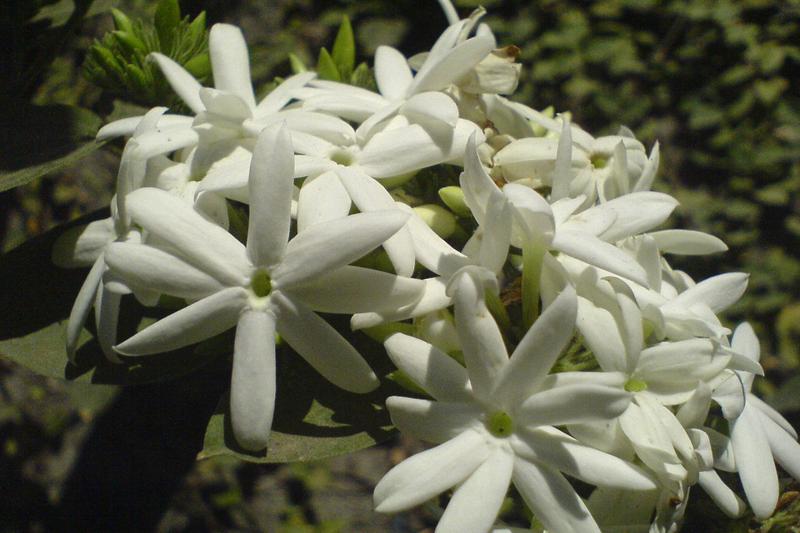
Quick facts
- Watering
- Weekly during growing season
- Sunlight
- Full sun to partial shade
- Soil
- Well-drained, moderately fertile loam
- Humans
- Toxic
- Cats
- Toxic
- Dogs
- Toxic
- Height
- 700–1200 cm
- Spread
- 150–300 cm
- Spacing
- 200–300 cm apart
- RHS recognition
- Award of Garden Merit
About Jasmine
Jasmine is a vigorous, deciduous or semi-evergreen climber prized for its intensely fragrant white flowers that bloom from summer into autumn. Native to the Caucasus and northern Iran, it has been cultivated in British gardens since the 16th century. UK gardeners cherish it for its heady evening scent and romantic appeal, training it over arches, pergolas, and south-facing walls. The delicate, star-shaped flowers appear in clusters against dark green pinnate leaves, creating an elegant display that thrives in sheltered spots across most of Britain.
UK fact: Jasmine holds the RHS Award of Garden Merit and has been a staple of British cottage gardens for over 400 years, often planted near windows and doorways so the evening fragrance can drift indoors on warm summer nights.
Watering Jasmine
Young plants need consistent moisture, particularly during dry spells from May to September. Water deeply once or twice weekly during warm weather, ensuring the soil doesn't dry out completely. Established jasmine is reasonably drought-tolerant but benefits from watering during prolonged dry periods to maintain flowering. Container-grown specimens require more frequent watering, potentially every other day in summer.
Sunlight requirements
Plant in a south- or west-facing position for maximum flowering and fragrance. In the UK, jasmine benefits from the warmth of a sunny wall, which also provides shelter from cold winds. Plants in partial shade will still grow well but may produce fewer flowers and less intense scent.
Soil and feeding
Plant in moderately fertile, well-drained soil with a pH between 6.0 and 7.5. Improve heavy clay soils by incorporating grit and compost to prevent waterlogging, which can cause root rot. Sandy soils benefit from added organic matter to improve moisture retention. Avoid extremely rich soils, which encourage leafy growth at the expense of flowers.
Feed established plants with a general-purpose fertiliser such as blood, fish and bone in March or April. Follow with a tomato feed or rose fertiliser in June to boost flower production. Container-grown jasmine benefits from monthly liquid feeding throughout the growing season.
Pruning Jasmine
Jasmine flowers on the current season's growth, so prune in August or September after flowering finishes. Remove dead, damaged, or weak stems, and thin out congested growth to improve air circulation. Cut back overgrown plants by up to one-third, trimming shoots just above a healthy bud. Tie in new growth to supports throughout the growing season to maintain the desired shape and coverage.
Propagating Jasmine
Semi-ripe cuttings taken in July or August root readily and are the most reliable propagation method. Layering is equally successful and requires minimal intervention. Hardwood cuttings can be taken in winter but have lower success rates. All methods work well in the UK climate, with cuttings typically rooting within 6-8 weeks.
Common problems
Jasmine is generally trouble-free but can be affected by aphids in spring and summer, which cluster on new growth and cause distorted leaves. Glasshouse whitefly may infest plants grown under cover or in sheltered positions. Powdery mildew can develop in dry conditions, appearing as white patches on leaves. Poor flowering is usually caused by insufficient sunlight, over-feeding with nitrogen-rich fertilisers, or frost damage to developing buds in exposed positions.
Spot a problem with your plant? Photograph the affected area using the Loam app and it will suggest the most likely cause and treatment.
Safety
- Humans
-
Toxic
All parts of jasmine contain toxic compounds that can cause digestive upset if ingested. Keep away from children.
- Cats
-
Toxic
Jasmine is toxic to cats and can cause vomiting, diarrhoea, and lethargy if ingested.
- Dogs
-
Toxic
Toxic to dogs, causing vomiting, diarrhoea, and potential neurological symptoms if consumed in quantity.
Toxicity information is for general guidance only. If a person or pet has been exposed to this plant and you are concerned, seek advice from a medical professional or vet.
Seasonal care calendar
Monthly care guide for Jasmine in the UK, based on average conditions.
| Month | Care tasks |
|---|---|
| January | No action needed. Plant is dormant or semi-dormant depending on winter severity. |
| February | Check ties and supports after winter winds. Remove any frost-damaged growth. |
| March | Apply general-purpose fertiliser around the base. Mulch with well-rotted compost. |
| April | Tie in new growth to supports. Begin regular watering as growth accelerates. |
| May | Water regularly during dry spells. Watch for aphids on new shoots and treat if necessary. |
| June | Apply high-potash feed to encourage flowering. Continue tying in new growth. |
| July | Enjoy the fragrant flowers. Take semi-ripe cuttings for propagation. Water regularly in dry weather. |
| August | Continue taking cuttings. Deadhead spent flowers. Begin light pruning after main flowering finishes. |
| September | Complete pruning and shaping. Reduce watering as growth slows. |
| October | Clear fallen leaves from around the base. Check supports are secure before winter. |
| November | In cold regions, apply mulch around roots for winter protection. |
| December | No action needed. Plant entering dormancy. |
Frequently asked questions
- How do I prune jasmine after flowering?
- Prune jasmine in late summer or early autumn, immediately after flowering finishes, typically August or September. Cut back flowered shoots to a strong pair of buds or side shoots, and remove any dead, damaged or overcrowded stems. This allows the plant to produce new growth that will carry next year's flowers. Avoid spring pruning as you'll remove flowering shoots and reduce blooms.
- Why are my jasmine leaves turning yellow?
- Yellowing jasmine leaves usually indicate watering issues—either overwatering causing root problems, or underwatering during dry spells. Nutrient deficiency, particularly iron or magnesium in alkaline soils, can also cause yellowing. Check soil moisture levels and drainage first. The Loam app can help diagnose the specific cause by analysing photos of your plant and tracking environmental conditions to provide personalised care recommendations.
- How do I propagate jasmine from cuttings?
- Take semi-ripe cuttings in July or August, choosing healthy shoots about 10-15cm long. Remove lower leaves, dip the cut end in hormone rooting powder, and insert into pots of gritty compost. Cover with a plastic bag to maintain humidity and place in a bright spot out of direct sun. Cuttings typically root within 4-6 weeks. Alternatively, layer low-growing stems in spring by pegging them to the soil—they'll root whilst still attached to the parent plant.
Got a question about growing Jasmine that isn't covered here? Ask the Garden Advisor in the Loam app. It knows your saved plants and local conditions.
Related plants
This page was compiled with AI assistance and reviewed by our team. .