Leopard's Bane
Doronicum orientale
Perennials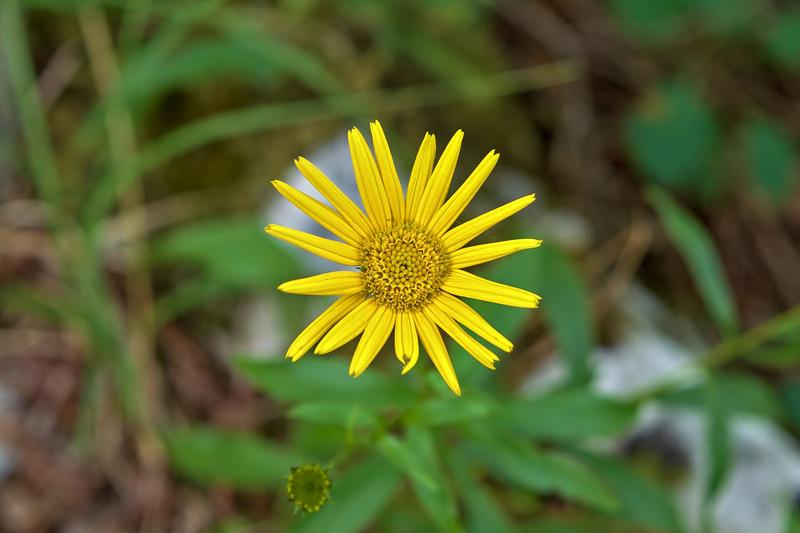
Quick facts
- Watering
- Weekly during dry spells
- Sunlight
- Partial shade
- Soil
- Moist, humus-rich, well-drained
- Humans
- Toxic
- Cats
- Toxic
- Dogs
- Toxic
- Height
- 40–50 cm
- Spread
- 30–45 cm
- Spacing
- 30–40 cm apart
- RHS recognition
- Award of Garden Merit
About Leopard's Bane
Leopard's Bane is a cheerful spring-flowering perennial native to southeastern Europe and Asia Minor, prized for its bright golden-yellow daisy-like flowers that appear from April to May. Growing to around 40–50 cm tall, it forms neat clumps of heart-shaped leaves that provide attractive ground cover even after flowering. UK gardeners value this hardy plant for bringing early colour to borders and woodland gardens, particularly in shaded areas where spring interest is often lacking. Its reliable performance and low-maintenance nature make it an excellent choice for naturalising beneath deciduous trees.
UK fact: Doronicum orientale 'Magnificum' holds the RHS Award of Garden Merit, recognising its exceptional performance in British gardens with larger flowers and more vigorous growth than the species.
Watering Leopard's Bane
Water regularly during the growing season, particularly in spring when plants are actively flowering and producing new foliage. Leopard's Bane prefers consistently moist soil and will struggle in prolonged dry conditions, with leaves yellowing and dying back prematurely. Once established, plants growing in shade require less frequent watering, but those in sunnier positions need weekly irrigation during dry spells. Reduce watering after flowering as the foliage naturally dies back in summer dormancy.
Sunlight requirements
Leopard's Bane thrives in partial shade, making it ideal for planting beneath deciduous trees or on the north-facing side of borders. It tolerates full sun in cooler, northern regions of the UK, but in southern counties the foliage may scorch and plants perform better with afternoon shade. Morning sun with dappled afternoon shade provides the perfect balance for vigorous growth and abundant flowering.
Soil and feeding
Leopard's Bane performs best in fertile, moisture-retentive soil enriched with plenty of organic matter such as garden compost or well-rotted manure. The soil should be well-drained to prevent winter waterlogging, which can cause rhizome rot, but must retain enough moisture to support spring growth. A neutral to slightly alkaline pH of 6.5–7.5 is ideal, though plants tolerate a range of soil types. Improve heavy clay soils with grit and organic matter to enhance drainage whilst maintaining moisture retention.
Apply a balanced granular fertiliser such as blood, fish and bone in early spring as new growth emerges to support vigorous flowering. A light mulch of garden compost or leaf mould in autumn provides slow-release nutrients and improves soil structure. Avoid high-nitrogen feeds which promote excessive foliage at the expense of flowers.
Pruning Leopard's Bane
Deadhead spent flowers regularly to maintain a tidy appearance and prevent self-seeding, though this won't encourage further blooms as Leopard's Bane flowers only once in spring. Allow the foliage to die back naturally after flowering, as it continues to photosynthesise and feed the rhizomes for next year's display. Cut back yellowed leaves to ground level in mid to late summer once they've completely withered. Divide congested clumps every three to four years in autumn to maintain vigour and flower production.
Propagating Leopard's Bane
Propagate Leopard's Bane by division in autumn after the foliage has died back, or in early spring before new growth begins. Lift established clumps carefully with a fork and separate the rhizomes into sections, ensuring each piece has several growing points and healthy roots. Replant divisions immediately at the same depth, spacing them 30–40 cm apart, and water well to establish. Plants can also be grown from seed sown in pots in a cold frame in spring, though division is quicker and more reliable.
Common problems
Leopard's Bane is generally trouble-free but can suffer from powdery mildew in dry conditions, particularly when grown in full sun or where air circulation is poor. Slugs and snails may damage emerging spring foliage, so apply organic slug pellets or use barriers around young growth. The foliage naturally dies back in summer, which is not a cause for concern but can leave gaps in borders, so interplant with later-flowering perennials to maintain interest. All parts of the plant are toxic if ingested, so handle with care and wash hands after contact.
Spot a problem with your plant? Photograph the affected area using the Loam app and it will suggest the most likely cause and treatment.
Safety
- Humans
-
Toxic
All parts contain pyrrolizidine alkaloids which are toxic if ingested and may cause liver damage. Handle with gloves and wash hands after contact.
- Cats
-
Toxic
Contains pyrrolizidine alkaloids toxic to cats if ingested, potentially causing liver damage and gastrointestinal upset.
- Dogs
-
Toxic
Contains pyrrolizidine alkaloids toxic to dogs if ingested, potentially causing liver damage and gastrointestinal upset.
Toxicity information is for general guidance only. If a person or pet has been exposed to this plant and you are concerned, seek advice from a medical professional or vet.
Seasonal care calendar
Monthly care guide for Leopard's Bane in the UK, based on average conditions.
| Month | Care tasks |
|---|---|
| January | No action needed, plants fully dormant. |
| February | Apply mulch of garden compost around dormant clumps. |
| March | New growth emerges; apply balanced fertiliser and protect from slugs. |
| April | Main flowering period begins; water regularly and deadhead spent blooms. |
| May | Continue deadheading; ensure soil remains moist during dry spells. |
| June | Flowering finishes; allow foliage to die back naturally. |
| July | Cut back yellowed foliage to ground level as it withers. |
| August | Plants dormant; reduce watering. |
| September | Ideal time to divide congested clumps and replant. |
| October | Continue division if needed; apply autumn mulch. |
| November | No action needed, plants entering dormancy. |
| December | No action needed, plants fully dormant. |
Frequently asked questions
- Why does my Leopard's Bane die back in summer?
- Leopard's Bane naturally goes dormant in summer after flowering, with foliage yellowing and dying back completely by mid to late summer. This is normal behaviour for the plant and not a sign of poor health. The rhizomes remain alive underground and will produce fresh growth the following spring. Interplant with summer-flowering perennials to fill the gap left when the foliage disappears.
- When should I divide Leopard's Bane for best results?
- Divide Leopard's Bane in autumn after the foliage has died back, or in early spring before new growth emerges. The Loam app can send you timely reminders for division based on your local climate and track when you last divided your plants, helping you maintain vigorous flowering year after year.
- Can Leopard's Bane grow in full shade?
- Leopard's Bane tolerates light to moderate shade but performs best in partial shade with some dappled sunlight. In deep, full shade beneath dense evergreens, flowering will be significantly reduced and plants may become leggy and weak. For best results, choose a spot that receives morning sun or bright filtered light through deciduous tree canopies.
Got a question about growing Leopard's Bane that isn't covered here? Ask the Garden Advisor in the Loam app. It knows your saved plants and local conditions.
Related plants
This page was compiled with AI assistance and reviewed by our team. .