Dischidia
Dischidia nummularia
Houseplants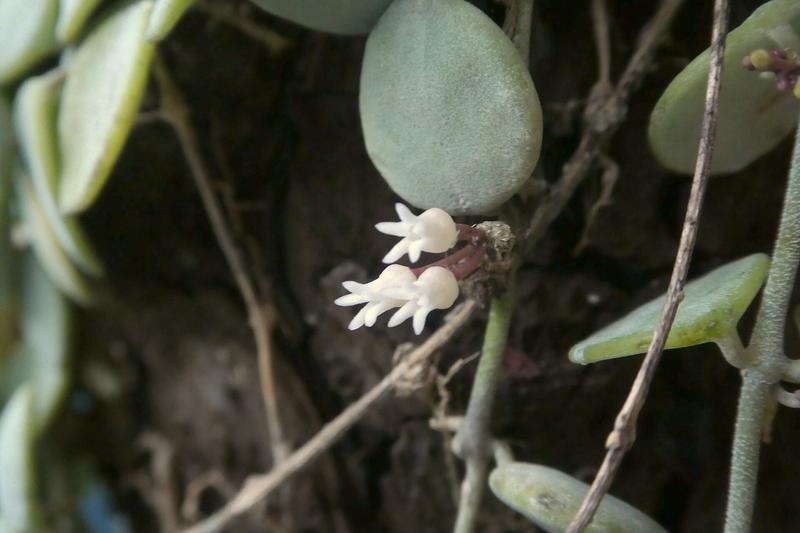
Quick facts
- Watering
- Weekly during growing season
- Sunlight
- Bright indirect light
- Soil
- Well-draining orchid or epiphytic mix
- Humans
- Safe
- Cats
- Safe
- Dogs
- Safe
- Height
- 30–100 cm
- Spread
- 20–40 cm
- Spacing
- 0 cm apart
About Dischidia
Dischidia nummularia is a charming trailing houseplant native to tropical regions of Southeast Asia and Australia, prized for its cascading stems adorned with small, round, coin-like leaves. This epiphytic plant grows naturally on trees in humid forests, making it an excellent choice for hanging baskets or mounted displays in UK homes. British gardeners value it for its low-maintenance nature and ability to thrive in bright, indirect light typical of north-facing windowsills. Its compact growth habit and attractive foliage make it a popular addition to indoor plant collections, particularly in terrariums and living walls.
UK fact: Dischidia has become increasingly popular in UK houseplant collections since 2015, with specialist nurseries reporting a surge in demand following its feature in RHS Chelsea Flower Show displays showcasing tropical houseplants suited to British centrally heated homes.
Watering Dischidia
Water when the top 2-3 cm of compost feels dry, typically weekly from spring to autumn and fortnightly in winter when growth slows. Dischidia prefers slightly moist conditions but is susceptible to root rot if overwatered, particularly in the cooler, darker UK winter months. Use tepid water and ensure excess drains freely from the pot. Mist occasionally to increase humidity, especially in centrally heated homes, but avoid leaving water sitting on the leaves.
Sunlight requirements
Dischidia thrives in bright, indirect light typical of east or north-facing windowsills in UK homes. Avoid direct summer sun, which can scorch the delicate leaves, but ensure sufficient brightness to maintain compact growth and prevent leggy stems. In darker UK winter months, position closer to windows or supplement with grow lights to maintain healthy foliage.
Soil and feeding
Use a specialist orchid compost or create a mix of two parts peat-free multipurpose compost, one part perlite, and one part orchid bark to replicate the plant's natural epiphytic growing conditions. The medium must drain freely whilst retaining some moisture, as waterlogged compost quickly leads to root rot. A slightly acidic to neutral pH of 5.5-7.0 is ideal. Repot every 2-3 years in spring, using a pot only slightly larger than the root ball.
Feed monthly from April to September with a diluted liquid houseplant fertiliser at half the recommended strength. Dischidia is a light feeder and excess nutrients can cause salt build-up in the compost, damaging roots. No feeding is required during the winter dormancy period when growth naturally slows.
Pruning Dischidia
Prune lightly in spring to maintain shape and encourage bushier growth by pinching back leggy stems just above a leaf node. Remove any yellowed or damaged leaves throughout the year to maintain plant health and appearance. Dischidia tolerates pruning well and cuttings can be used for propagation. Avoid heavy pruning, as this slow-growing plant takes time to recover.
Propagating Dischidia
Propagate Dischidia from stem cuttings taken in spring or early summer when the plant is actively growing. Take 8-10 cm cuttings with at least three pairs of leaves, remove the lower leaves, and insert into moist orchid compost or perlite. Maintain high humidity by covering with a clear plastic bag and place in bright, indirect light at 18-24°C. Roots typically develop within 4-6 weeks, after which cuttings can be potted individually.
Common problems
Dischidia is relatively pest-free but can occasionally suffer from mealybugs, scale insects, or spider mites, particularly in dry, centrally heated UK homes. Inspect regularly and treat infestations with insecticidal soap or neem oil. Overwatering is the most common cultural problem, leading to root rot and yellowing leaves; ensure the compost drains freely and reduce watering in winter. Brown leaf tips typically indicate low humidity or fluoride in tap water; use filtered or rainwater and increase ambient moisture through misting or pebble trays.
Spot a problem with your plant? Photograph the affected area using the Loam app and it will suggest the most likely cause and treatment.
Safety
- Humans
- Safe
- Cats
- Safe
- Dogs
- Safe
Toxicity information is for general guidance only.
Seasonal care calendar
Monthly care guide for Dischidia in the UK, based on average conditions.
| Month | Care tasks |
|---|---|
| January | Reduce watering frequency. Maintain temperatures above 15°C. Check for pests in dry indoor air. |
| February | Continue minimal watering. Monitor for signs of new growth as days lengthen. |
| March | Increase watering as growth resumes. Begin monthly feeding. Prune leggy stems if needed. |
| April | Repot if rootbound. Take stem cuttings for propagation. Feed monthly. |
| May | Water weekly as temperatures rise. Continue feeding. Increase humidity through misting. |
| June | Maintain regular watering and feeding schedule. Monitor for pests. Ensure bright indirect light. |
| July | Water when compost surface dries. Feed monthly. Protect from direct summer sun. |
| August | Continue regular watering and feeding. Take final stem cuttings if desired. |
| September | Reduce watering frequency slightly. Continue feeding until month end. |
| October | Stop feeding. Reduce watering as growth slows. Ensure adequate light as days shorten. |
| November | Water sparingly, allowing compost to dry between waterings. Maintain minimum 15°C. |
| December | Minimal watering required. Keep away from cold draughts and radiators. |
Frequently asked questions
- Why are my Dischidia leaves turning yellow?
- Yellow leaves on Dischidia typically indicate overwatering, particularly during UK winter months when growth slows. Allow the top 2-3 cm of compost to dry between waterings and ensure the pot has adequate drainage. Yellowing can also result from low light levels or cold draughts below 15°C.
- How often should I water my Dischidia in winter?
- Winter watering frequency depends on your home's temperature and humidity, which vary considerably across UK properties. The Loam app can provide personalised watering reminders based on your specific conditions and send alerts when it's time to water, taking the guesswork out of winter care.
- Can Dischidia grow in a terrarium?
- Yes, Dischidia is excellent for terrariums due to its compact size and preference for high humidity. Choose an open or partially enclosed terrarium to prevent excessive moisture build-up, use well-draining orchid compost, and position in bright indirect light. Water sparingly as the enclosed environment retains moisture longer than standard pots.
Got a question about growing Dischidia that isn't covered here? Ask the Garden Advisor in the Loam app. It knows your saved plants and local conditions.
Related plants
This page was compiled with AI assistance and reviewed by our team. .