Cuckooflower
Cardamine pratensis
Wildflowers and Natives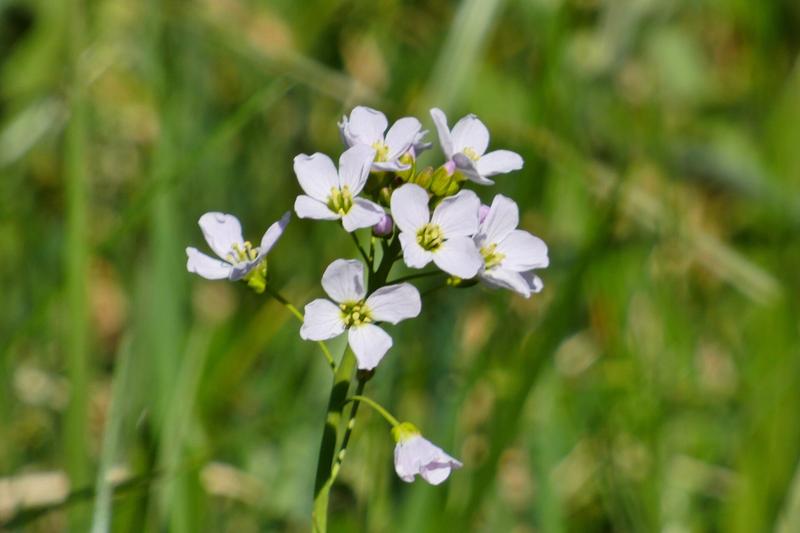
Quick facts
- Watering
- Keep soil consistently moist
- Sunlight
- Full sun to partial shade
- Soil
- Moist, humus-rich, neutral to alkaline
- Humans
- Safe
- Cats
- Safe
- Dogs
- Safe
- Height
- 20–60 cm
- Spread
- 20–30 cm
- Spacing
- 20–30 cm apart
About Cuckooflower
Cuckooflower is a delicate British native wildflower producing pale lilac-pink blooms from April to June, coinciding with the arrival of the cuckoo. This charming perennial thrives in damp meadows, woodland edges, and alongside streams throughout the UK. Gardeners value it for naturalising in wildflower meadows, bog gardens, and wildlife areas, where it provides vital early nectar for bees and butterflies. Its rosette of pinnate leaves and nodding flower heads bring a touch of the countryside to any garden setting.
UK fact: Cuckooflower is the food plant of the orange-tip butterfly, whose caterpillars feed exclusively on plants in the Brassicaceae family, making it essential for supporting this iconic British spring butterfly in gardens across the UK.
Watering Cuckooflower
This moisture-loving wildflower requires consistently damp soil and will not tolerate prolonged drought. In the UK, natural rainfall is usually sufficient from autumn through spring, but water regularly during dry spells in late spring and summer to prevent the soil from drying out. Plants growing in bog gardens or beside ponds require minimal intervention, whilst those in borders may need weekly watering during warm, dry periods. Mulching with organic matter helps retain moisture around the roots.
Sunlight requirements
Cuckooflower performs best in partial shade to full sun, mirroring its natural habitat in dappled woodland edges and open meadows. In the UK, a position receiving morning sun and afternoon shade is ideal, particularly in southern regions where midday sun can be intense. North-facing borders or spots beneath deciduous trees provide excellent conditions, allowing spring flowering before the canopy fully develops.
Soil and feeding
Cuckooflower thrives in moisture-retentive, humus-rich soil that never dries out completely. It naturally grows in damp meadows and marshy ground, so heavy clay or loamy soils are ideal, whilst sandy soils should be improved with plenty of organic matter. The plant tolerates a pH range from neutral to slightly alkaline (pH 6.5-8.0), making it suitable for most UK gardens. Avoid planting in dry, free-draining soils unless you can guarantee consistent moisture throughout the growing season.
Cuckooflower requires minimal feeding and thrives in nutrient-poor to moderately fertile soils. In wildflower meadows and naturalised settings, avoid feeding altogether to prevent vigorous grasses from outcompeting this delicate native. If growing in borders, a light application of well-rotted compost or leaf mould in autumn provides sufficient nutrients without encouraging excessive foliage at the expense of flowers.
Pruning Cuckooflower
Cuckooflower requires very little pruning and is best left to self-seed naturally in wildflower areas. Deadhead spent flowers only if you wish to prevent self-seeding, though allowing seed heads to mature supports wildlife and ensures future generations. After flowering finishes in June, the foliage will naturally die back by midsummer; leave it in place until fully yellowed, then remove to keep the area tidy. Avoid cutting back too early, as the leaves need time to replenish the plant's energy reserves for the following year.
Propagating Cuckooflower
Cuckooflower is easily propagated by seed sown in autumn or spring, either directly where plants are to grow or in pots of moist compost kept outdoors. Seeds require a period of cold stratification, so autumn sowing is most reliable, allowing natural winter chilling to break dormancy. Division of established clumps can be carried out in early autumn, carefully separating the rosettes and replanting immediately in moist soil. The plant also self-seeds freely in suitable conditions, establishing colonies over time without intervention.
Common problems
Cuckooflower is generally trouble-free and suffers from few pests or diseases in UK gardens. Flea beetles may occasionally nibble small holes in the leaves, but damage is rarely serious and plants recover quickly. Slugs and snails can target young foliage in spring, particularly in very damp conditions, so use organic controls if necessary. The main cultural problem is drought stress, which causes premature die-back and poor flowering; ensuring consistently moist soil prevents this issue entirely.
Spot a problem with your plant? Photograph the affected area using the Loam app and it will suggest the most likely cause and treatment.
Safety
- Humans
- Safe
- Cats
- Safe
- Dogs
- Safe
Toxicity information is for general guidance only.
Seasonal care calendar
Monthly care guide for Cuckooflower in the UK, based on average conditions.
| Month | Care tasks |
|---|---|
| January | No action needed; plants are dormant with minimal foliage visible. |
| February | Watch for fresh rosettes of leaves emerging in mild spells. |
| March | Foliage develops rapidly; clear away any debris around plants and ensure soil remains moist. |
| April | Flowering begins; enjoy the pale pink blooms and watch for orange-tip butterflies visiting. |
| May | Peak flowering period; water during dry spells to prolong blooms. |
| June | Flowering finishes and seed pods develop; allow seeds to ripen for self-seeding or collect for sowing. |
| July | Foliage begins to die back naturally; leave in place until fully yellowed. |
| August | Remove dead foliage once completely brown; plants enter dormancy. |
| September | Sow collected seed or divide established clumps if required. |
| October | Apply a light mulch of leaf mould around planting areas; continue autumn sowing. |
| November | No action needed; plants are fully dormant. |
| December | No action needed; plants are dormant. |
Frequently asked questions
- When does cuckooflower bloom in the UK?
- Cuckooflower blooms from April to June across the UK, with peak flowering in May. The timing coincides with the arrival of the cuckoo, hence its common name. Flowering duration depends on moisture levels, with plants in consistently damp soil blooming longer than those in drier conditions.
- Why is my cuckooflower dying back in summer?
- Cuckooflower naturally dies back after flowering in June or July, entering summer dormancy as its native habitat dries out. This is normal behaviour, not a sign of poor health. The Loam app can help you track this seasonal cycle and remind you when to expect new growth in late winter.
- Can I grow cuckooflower in a wildflower meadow?
- Yes, cuckooflower is an excellent choice for UK wildflower meadows, particularly in damper areas. It establishes well in low-fertility grassland and provides early nectar for pollinators. Sow seed in autumn directly into prepared ground, or plant pot-grown specimens in spring, spacing them 20-30cm apart to allow natural spreading.
Got a question about growing Cuckooflower that isn't covered here? Ask the Garden Advisor in the Loam app. It knows your saved plants and local conditions.
Related plants
This page was compiled with AI assistance and reviewed by our team. .