Smoke Bush
Cotinus coggygria
Shrubs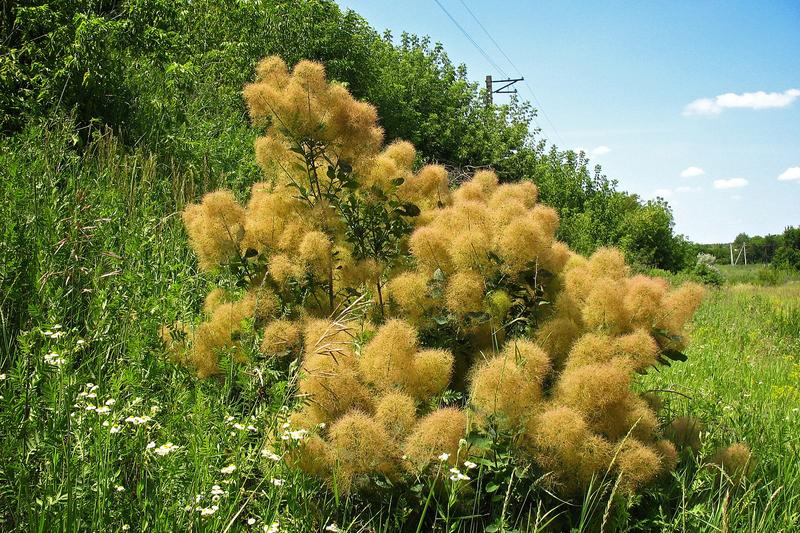
Quick facts
- Watering
- Weekly when young, minimal once established
- Sunlight
- Full sun to partial shade
- Soil
- Well-drained, moderately fertile
- Humans
- Toxic
- Cats
- Toxic
- Dogs
- Toxic
- Height
- 300–500 cm
- Spread
- 300–500 cm
- Spacing
- 300–400 cm apart
- RHS recognition
- Award of Garden Merit
About Smoke Bush
Smoke Bush is a deciduous shrub native to southern Europe and Asia, prized for its spectacular plumes of tiny pink-grey flowers that create a smoky haze effect in summer. UK gardeners value it for its dramatic foliage—particularly purple-leaved cultivars like 'Royal Purple'—and stunning autumn colour ranging from scarlet to orange. This architectural shrub thrives in British gardens, offering year-round interest with minimal fuss. Its billowing flower heads appear from June to September, creating an ethereal cloud-like display that gives the plant its evocative common name.
UK fact: Several Cotinus coggygria cultivars hold the RHS Award of Garden Merit, including 'Royal Purple' and 'Grace', recognising their exceptional performance in British gardens and their reliability across diverse UK growing conditions.
Watering Smoke Bush
Water newly planted Smoke Bush weekly during the first growing season to establish a deep root system. Once established (typically after 12-18 months), the plant is remarkably drought-tolerant and requires watering only during prolonged dry spells. In typical UK conditions, rainfall usually provides sufficient moisture for mature specimens. During hot, dry summers, water deeply every fortnight rather than little and often, encouraging roots to grow downwards.
Sunlight requirements
Smoke Bush performs best in full sun, which intensifies foliage colour and encourages the most prolific flowering. Purple-leaved varieties particularly benefit from maximum sunlight to develop their deepest colouration. In British gardens, a south or west-facing position is ideal, though the plant tolerates light shade—particularly useful in hotter southern regions where some afternoon shade prevents leaf scorch.
Soil and feeding
Smoke Bush thrives in well-drained soil and tolerates a wide pH range from slightly acidic to alkaline (pH 6.0-8.0), making it suitable for most UK gardens including chalky soils. Avoid heavy clay that remains waterlogged, as this can lead to root rot. The plant actually produces better autumn colour and more compact growth in moderately fertile soil rather than rich, heavily amended ground. On very poor, thin soils, incorporate organic matter at planting time to aid establishment.
Smoke Bush requires minimal feeding and actually performs better without excessive nutrients, which can promote soft, leggy growth at the expense of flower production and autumn colour. Apply a light dressing of general-purpose fertiliser such as blood, fish and bone in early spring if growth appears weak. Avoid high-nitrogen feeds, which encourage foliage at the expense of the characteristic smoky flower plumes.
Pruning Smoke Bush
Prune Smoke Bush in late winter or early spring (February to March) before new growth begins. For a natural, multi-stemmed shrub with maximum flowers, simply remove dead, damaged, or crossing branches. For larger, more dramatic foliage on purple varieties, hard prune (coppicing) by cutting all stems back to 60-90 cm from the ground; this sacrifices flowers but produces vigorous shoots with oversized leaves. Avoid autumn pruning, which can stimulate tender growth vulnerable to frost damage.
Propagating Smoke Bush
Propagate Smoke Bush from semi-ripe cuttings taken in late summer (July to August), selecting healthy side shoots 10-15 cm long with a heel of older wood. Remove lower leaves, dip in hormone rooting powder, and insert into gritty compost in a cold frame or unheated greenhouse. Cuttings root slowly, often taking 8-12 weeks, and should be overwintered under protection before potting on in spring. Layering is an alternative method: peg a low branch to the ground in spring, and it should root by the following autumn for separation from the parent plant.
Common problems
Smoke Bush is generally trouble-free in UK gardens but can occasionally suffer from Verticillium wilt, a soil-borne fungal disease causing wilting and dieback of branches—affected stems should be pruned out and destroyed. Powdery mildew may appear on foliage in dry summers, particularly on plants in poor air circulation, though it rarely causes serious harm. Flea beetles occasionally chew small holes in young leaves in spring, but damage is typically cosmetic. The plant's main cultural problem is poor autumn colour, usually caused by excessive shade, overly rich soil, or insufficient sunlight.
Spot a problem with your plant? Photograph the affected area using the Loam app and it will suggest the most likely cause and treatment.
Safety
- Humans
-
Toxic
All parts of Smoke Bush contain toxins that can cause skin irritation and mild gastrointestinal upset if ingested. Sap may cause dermatitis in sensitive individuals.
- Cats
-
Toxic
Toxic if ingested, causing vomiting, diarrhoea, and oral irritation. Keep cats away from prunings.
- Dogs
-
Toxic
Toxic if ingested, causing vomiting, diarrhoea, and oral irritation. Keep dogs away from prunings.
Toxicity information is for general guidance only. If a person or pet has been exposed to this plant and you are concerned, seek advice from a medical professional or vet.
Seasonal care calendar
Monthly care guide for Smoke Bush in the UK, based on average conditions.
| Month | Care tasks |
|---|---|
| January | No action needed; plant is fully dormant. |
| February | Prune if desired, removing dead wood or hard pruning for foliage effect. |
| March | Complete any pruning early in the month. Apply light spring feed if needed. |
| April | New foliage emerges; water young plants weekly. Ideal planting month. |
| May | Monitor for flea beetle damage on young leaves. Continue watering young plants. |
| June | Flower plumes begin to develop. Water during dry spells. |
| July | Smoky flower display at peak. Take semi-ripe cuttings mid to late month. |
| August | Continue taking cuttings early in month. Water established plants only if very dry. |
| September | Early autumn colour begins to develop. Reduce watering. |
| October | Enjoy spectacular autumn foliage display in shades of red, orange, and purple. |
| November | Leaves fall to reveal architectural branch structure. Collect and compost fallen leaves. |
| December | No action needed; admire winter silhouette. |
Frequently asked questions
- Why is my Smoke Bush not producing its smoky flowers?
- Lack of flowers is usually caused by hard pruning the previous year (which removes flower buds), excessive shade, or overly rich soil promoting leafy growth. Ensure your plant receives full sun and avoid high-nitrogen fertilisers. If you've been coppicing for foliage effect, allow some stems to grow unpruned for two years to flower.
- When should I prune my Smoke Bush for the best results?
- Prune in late February or March before growth starts. The Loam app can send you a timely reminder based on your local conditions and help you decide between light pruning for flowers or hard pruning for dramatic foliage, with step-by-step guidance for your specific variety.
- How can I improve the autumn colour on my Smoke Bush?
- Brilliant autumn colour requires full sun, well-drained soil, and avoiding excessive feeding. Purple-leaved varieties generally colour better than green forms. A sunny, open position with good light exposure throughout the day produces the most intense reds and oranges. Avoid shade and nitrogen-rich fertilisers.
Got a question about growing Smoke Bush that isn't covered here? Ask the Garden Advisor in the Loam app. It knows your saved plants and local conditions.
Related plants
This page was compiled with AI assistance and reviewed by our team. .