Dogwood
Cornus alba
Shrubs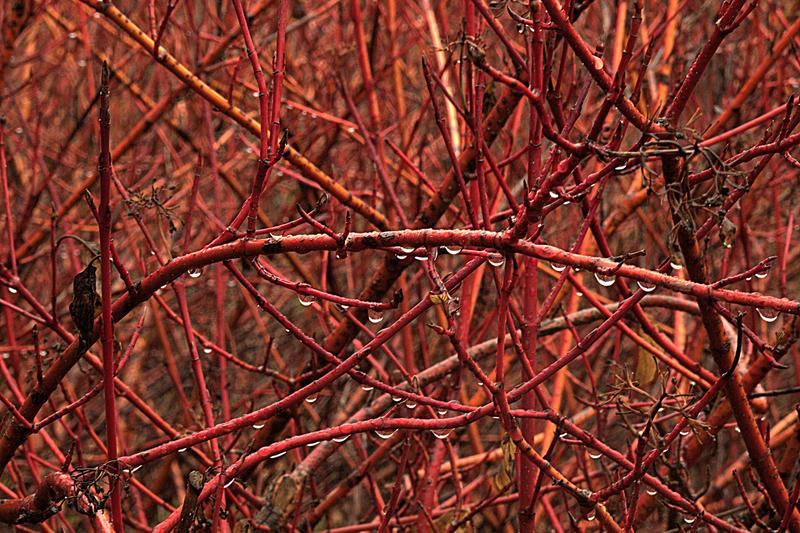
Quick facts
- Watering
- Weekly during establishment
- Sunlight
- Full sun to partial shade
- Soil
- Moist, fertile, any pH
- Humans
- Safe
- Cats
- Safe
- Dogs
- Safe
- Height
- 150–300 cm
- Spread
- 150–300 cm
- Spacing
- 150–200 cm apart
- RHS recognition
- Award of Garden Merit
About Dogwood
Cornus alba is a deciduous shrub prized for its brilliant red winter stems that provide vibrant colour when most gardens are dormant. Native to Siberia and northern China, this hardy shrub thrives in the UK's temperate climate and is particularly valued for winter interest in borders and woodland gardens. The oval green leaves turn attractive shades of orange and red in autumn, whilst small creamy-white flowers appear in late spring. UK gardeners favour this plant for its low maintenance requirements and exceptional performance in damp conditions.
UK fact: Cornus alba 'Sibirica' holds the RHS Award of Garden Merit and has become a staple in British winter gardens, particularly popular in the famous winter stem displays at RHS Garden Wisley where it's coppiced annually to maintain the brightest red colour.
Watering Dogwood
Water newly planted dogwoods weekly during their first growing season to establish a strong root system. Once established, Cornus alba is remarkably tolerant of wet conditions and naturally thrives near ponds, streams, or in heavy clay soils that retain moisture. During prolonged dry spells in summer, water deeply every 7-10 days, particularly if planted in sunnier positions. This shrub actually performs poorly in drought conditions, so maintain consistent moisture in free-draining soils.
Sunlight requirements
Plant in full sun for the most vibrant winter stem colour, though Cornus alba will tolerate partial shade and still perform well. In hotter southern regions, some afternoon shade can be beneficial during summer months. Avoid deep shade as this will result in weaker stem colour and a more open, leggy growth habit.
Soil and feeding
Cornus alba is exceptionally adaptable to UK soil conditions, thriving in everything from heavy clay to loam, provided moisture is adequate. It tolerates a wide pH range from acidic to alkaline (pH 5.0-8.0), making it suitable for most British gardens. The plant performs best in fertile, moisture-retentive soil and is one of the few shrubs that actively thrives in poorly drained, damp areas where other plants struggle. Improve very sandy soils with organic matter to increase water retention.
Feed with a general-purpose fertiliser such as blood, fish and bone in March, scattering a handful around the base of established plants. For newly planted specimens, apply a slow-release fertiliser at planting time and again in their first spring. A spring mulch of well-rotted compost or manure provides additional nutrients and helps retain moisture throughout the growing season.
Pruning Dogwood
For the most vibrant winter stem display, hard prune Cornus alba annually in late March or early April, cutting all stems back to within 5-8cm of ground level. This coppicing technique encourages vigorous new growth with the brightest red colour. If you prefer a larger shrub, adopt a rotation system by removing only one-third of the oldest stems each year. Avoid autumn or winter pruning as you'll remove the colourful stems that provide the plant's main ornamental value. Remove any dead, damaged, or crossing branches as needed throughout the year.
Propagating Dogwood
Cornus alba propagates readily from cuttings, making it simple to create new plants for free. Hardwood cuttings taken in December or January have the highest success rate in UK conditions. Softwood cuttings can be taken in June or July, though these require more attention to prevent wilting. Layering is another reliable method, where low-growing stems are pegged down and will root within 12-18 months.
Common problems
Cornus alba is generally trouble-free in UK gardens, though it can occasionally suffer from leaf spot fungi, particularly in wet summers, causing brown or purple spots on foliage. Honey fungus can affect stressed plants, identifiable by white fungal growth under bark and bootlace-like rhizomorphs in the soil. Aphids may colonise new growth in spring but rarely cause serious damage. Poor stem colour is usually a cultural issue rather than a pest or disease, typically caused by insufficient pruning, shade, or the stems being more than two years old.
Spot a problem with your plant? Photograph the affected area using the Loam app and it will suggest the most likely cause and treatment.
Safety
- Humans
- Safe
- Cats
- Safe
- Dogs
- Safe
Toxicity information is for general guidance only.
Seasonal care calendar
Monthly care guide for Dogwood in the UK, based on average conditions.
| Month | Care tasks |
|---|---|
| January | Enjoy the vibrant red winter stems. Take hardwood cuttings during mild spells. |
| February | Continue taking hardwood cuttings. Prepare for pruning by gathering tools and planning which stems to remove. |
| March | Hard prune in late March for best stem colour. Apply blood, fish and bone fertiliser and mulch with compost. |
| April | New growth emerges rapidly. Water newly planted specimens weekly. Remove any weak or damaged shoots. |
| May | Creamy-white flowers appear in late May. Continue watering young plants. Monitor for aphids on new growth. |
| June | Take softwood cuttings in early June. Water during dry spells, particularly plants in full sun. |
| July | Maintain watering during dry weather. White berries may begin to form after flowering. |
| August | Continue watering established plants during prolonged dry periods. Check for leaf spot and remove affected foliage. |
| September | Foliage begins to develop autumn colour. Good time to plant new specimens whilst soil is still warm. |
| October | Leaves turn orange and red before falling. Plant new dogwoods and transplant rooted cuttings. |
| November | As leaves fall, the colourful winter stems become the main feature. Firm in any newly planted specimens after frost. |
| December | Stems provide peak winter interest. Begin taking hardwood cuttings from mid-December onwards. |
Frequently asked questions
- When should I prune dogwood for red stems?
- Prune in late March or early April, just before new growth begins. Hard prune all stems to within 5-8cm of the ground annually for the best winter stem display, or remove one-third of old stems each year for a larger shrub. The brightest red colour comes from young stems less than two years old.
- Why are my dogwood leaves turning yellow?
- Yellowing leaves can indicate several issues including waterlogging (though Cornus alba tolerates wet soil well), nutrient deficiency, or pest problems. Check whether the yellowing is widespread or patchy, and examine leaves for signs of disease or insects. The Loam app can help diagnose the specific cause through photo identification and provide personalised care advice based on your growing conditions.
- How do I propagate Cornus alba from cuttings?
- Take hardwood cuttings in late autumn or winter from healthy one-year-old stems. Cut 20-25cm lengths just below a bud, remove lower leaves, and insert two-thirds into gritty compost or directly into prepared ground outdoors. Cuttings root easily and should be ready to plant out the following autumn. Alternatively, take softwood cuttings in early summer for quicker results.
Got a question about growing Dogwood that isn't covered here? Ask the Garden Advisor in the Loam app. It knows your saved plants and local conditions.
Related plants
This page was compiled with AI assistance and reviewed by our team. .