Common Spotted Orchid
Dactylorhiza fuchsii
Wildflowers and Natives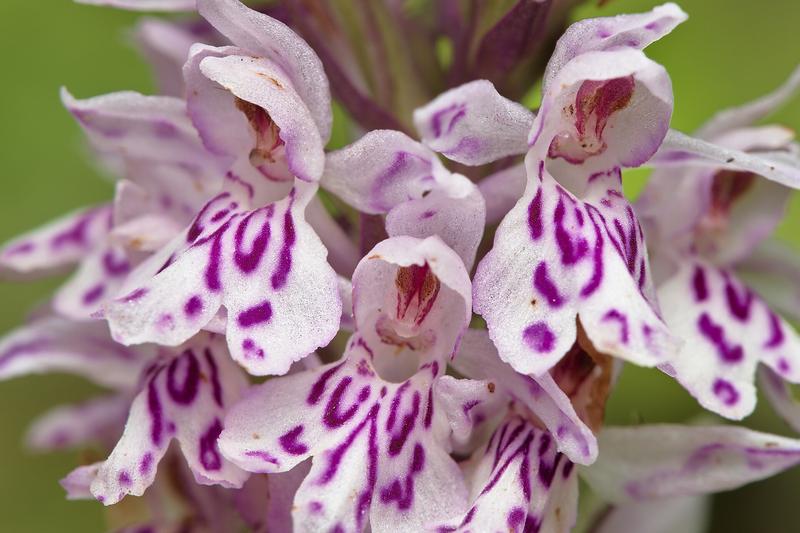
Quick facts
- Watering
- Moderate, keep soil moist
- Sunlight
- Full sun to partial shade
- Soil
- Alkaline, well-drained, moisture-retentive
- Humans
- Safe
- Cats
- Safe
- Dogs
- Safe
- Height
- 15–60 cm
- Spread
- 10–15 cm
- Spacing
- 15–20 cm apart
About Common Spotted Orchid
The Common Spotted Orchid is a beautiful native British wildflower producing spikes of pink to purple flowers with distinctive spotted lips from June to August. Growing from tuberous roots, this hardy perennial reaches 15–60 cm tall and features lance-shaped leaves often marked with dark purple spots. UK gardeners grow it to support native pollinators, create wildlife-friendly meadows, and bring a touch of wild beauty to naturalised areas and woodland gardens. As a protected species in the wild, cultivated specimens allow gardeners to enjoy this iconic orchid without impacting natural populations.
UK fact: The Common Spotted Orchid is one of the most widespread native orchids in Britain, found from Cornwall to the Highlands, and is particularly abundant in traditional hay meadows and chalk grasslands across southern England.
Watering Common Spotted Orchid
Keep the soil consistently moist but never waterlogged, particularly during the growing season from spring through flowering. In typical UK summers, natural rainfall is usually sufficient once established, but water during prolonged dry spells to prevent the tubers desiccating. Reduce watering after flowering as the foliage dies back in late summer, allowing the plant to enter dormancy. Avoid overhead watering during flowering to prevent spotting the blooms.
Sunlight requirements
Common Spotted Orchids thrive in full sun to partial shade, mimicking their natural habitat in meadows and woodland edges. In southern UK gardens, some afternoon shade helps prevent the soil drying out too quickly during hot summers. North-facing or east-facing positions work well, though flowering may be reduced in deep shade.
Soil and feeding
Common Spotted Orchids prefer alkaline to neutral soils with a pH of 6.5–8.0, thriving particularly well on chalk and limestone. The soil must be well-drained yet moisture-retentive, ideally a loamy mix that doesn't become waterlogged in winter or bone-dry in summer. Add horticultural grit and leaf mould to heavy clay soils to improve drainage, or incorporate garden compost into sandy soils to boost moisture retention. Avoid rich, heavily fertilised soils which encourage lush foliage at the expense of flowers.
Common Spotted Orchids require minimal feeding and actually prefer nutrient-poor conditions similar to their natural meadow habitats. Avoid fertilisers entirely, as excess nutrients promote soft growth and reduce flowering. If growing in containers, use a very dilute orchid feed once in early spring, but this is rarely necessary.
Pruning Common Spotted Orchid
No pruning is required for Common Spotted Orchids. Allow the flower spikes to fade naturally after blooming, as this enables seed production which can lead to self-seeding in suitable conditions. Leave the foliage intact until it yellows and dies back completely in late summer or early autumn, as the leaves continue photosynthesising to build up the tubers for next year's growth. Simply remove dead foliage once it has withered to keep the area tidy.
Propagating Common Spotted Orchid
Common Spotted Orchids are challenging to propagate and best left to specialist growers, as they require specific mycorrhizal fungi to germinate successfully. Division of established clumps in early autumn is the most reliable method for home gardeners, carefully separating the tuberous roots and replanting immediately. Seed propagation is extremely difficult, requiring sterile laboratory conditions and symbiotic fungi, though plants may self-seed in ideal meadow conditions. Always purchase plants from reputable nurseries selling cultivated stock, never collect from the wild as this species is legally protected.
Common problems
Common Spotted Orchids are relatively trouble-free but can suffer from slug and snail damage to emerging shoots in spring, so use organic controls or barriers around new growth. Overwatering or poorly drained soil causes tuber rot, particularly fatal during winter dormancy, so ensure excellent drainage. Virus diseases occasionally affect orchids, causing mottled or distorted foliage with no cure, requiring removal of affected plants. In very dry summers, plants may fail to flower or enter early dormancy, so maintain consistent moisture during the growing season.
Spot a problem with your plant? Photograph the affected area using the Loam app and it will suggest the most likely cause and treatment.
Safety
- Humans
- Safe
- Cats
- Safe
- Dogs
- Safe
Toxicity information is for general guidance only.
Seasonal care calendar
Monthly care guide for Common Spotted Orchid in the UK, based on average conditions.
| Month | Care tasks |
|---|---|
| January | No action needed; tubers dormant underground. |
| February | No action needed; tubers dormant underground. |
| March | Watch for new shoots emerging; protect from slugs and snails. |
| April | Foliage developing rapidly; ensure soil remains moist as growth accelerates. |
| May | Flower spikes forming; water during dry spells to support bud development. |
| June | Peak flowering period; enjoy the blooms and observe pollinating insects. |
| July | Flowering continues; allow seed heads to develop if self-seeding desired. |
| August | Flowering finishes; foliage begins to yellow and die back naturally. |
| September | Remove dead foliage once completely withered; best time for division if needed. |
| October | Plant entering dormancy; reduce watering as tubers rest underground. |
| November | No action needed; tubers dormant underground. |
| December | No action needed; tubers dormant underground. |
Frequently asked questions
- Can I grow Common Spotted Orchids in my garden?
- Yes, you can grow Common Spotted Orchids in UK gardens provided you purchase cultivated plants from reputable nurseries, never collect from the wild. They thrive in wildflower meadows, naturalised lawns, or woodland gardens with alkaline, well-drained soil and full sun to partial shade. Established plants are hardy and low-maintenance, flowering reliably each summer once settled.
- Why isn't my Common Spotted Orchid flowering?
- Common Spotted Orchids may fail to flower due to insufficient light, overly rich soil, drought stress, or recent disturbance. The Loam app can help you track environmental conditions and watering schedules to identify the cause, providing personalised advice to encourage blooming next season.
- When do Common Spotted Orchids flower in the UK?
- Common Spotted Orchids typically flower from June to August in the UK, with peak blooming in late June and July. The exact timing varies slightly depending on your location and local weather conditions, with southern gardens often flowering a week or two earlier than northern regions.
Got a question about growing Common Spotted Orchid that isn't covered here? Ask the Garden Advisor in the Loam app. It knows your saved plants and local conditions.
Related plants
This page was compiled with AI assistance and reviewed by our team. .