Fritillary
Fritillaria meleagris
Bulbs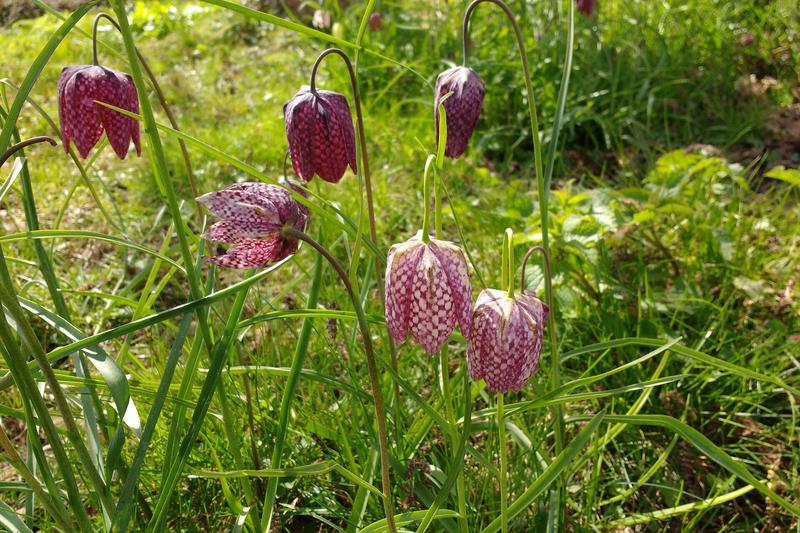
Quick facts
- Watering
- Moderate during growth, dry in summer
- Sunlight
- Full sun to partial shade
- Soil
- Moist, humus-rich, well-drained
- Humans
- Toxic
- Cats
- Toxic
- Dogs
- Toxic
- Height
- 20–30 cm
- Spread
- 5–10 cm
- Spacing
- 8–10 cm apart
- RHS recognition
- Award of Garden Merit
About Fritillary
Fritillary is a delicate spring-flowering bulb renowned for its distinctive chequered bell-shaped blooms in shades of purple, pink, and white. Native to European water meadows, this charming perennial has naturalised in parts of southern England and thrives in damp grassland conditions. UK gardeners prize it for naturalising in lawns and wildflower meadows, where it creates enchanting drifts of nodding flowers from March to May. Its elegant, understated beauty and ability to self-seed make it a favourite for cottage gardens and naturalised plantings.
UK fact: Fritillary is one of Britain's rarest native wildflowers, with the water meadows of Oxfordshire and Suffolk hosting some of the finest displays, including the famous spectacle at Magdalen College meadow in Oxford each spring.
Watering Fritillary
Water regularly during active growth from autumn through to late spring, maintaining moist but not waterlogged conditions that mimic their native meadow habitat. In the UK, natural rainfall is usually sufficient, but provide supplementary water during dry spells in spring to support flowering. Once foliage yellows and dies back in June, cease watering entirely and allow bulbs to remain dry through summer dormancy. Avoid planting in areas that remain wet in summer, as this can cause bulb rot.
Sunlight requirements
Plant in full sun to partial shade, ideally where they receive morning sun and light afternoon shade. In the UK, they perform particularly well in east-facing borders or beneath deciduous trees that allow spring sunlight through before leafing out. Avoid deep shade, which reduces flowering, but some dappled light helps prevent the delicate blooms from fading too quickly in bright conditions.
Soil and feeding
Plant in fertile, humus-rich soil that retains moisture during the growing season but drains freely to prevent waterlogging. Fritillaries prefer neutral to slightly alkaline soil with a pH of 6.5-7.5, though they tolerate slightly acidic conditions. Improve heavy clay soils with generous amounts of well-rotted compost and horticultural grit to enhance drainage, or plant bulbs on a slight slope. In very free-draining sandy soils, incorporate plenty of organic matter to improve moisture retention during the critical spring growing period.
Incorporate bone meal into the planting hole when setting bulbs in autumn to encourage root development. In early spring as shoots emerge, apply a light dressing of low-nitrogen bulb fertiliser or a general-purpose feed such as blood, fish and bone. Avoid high-nitrogen feeds which promote foliage at the expense of flowers and can make plants more susceptible to disease.
Pruning Fritillary
Deadhead spent flowers if you wish to prevent self-seeding, though many gardeners prefer to allow fritillaries to naturalise freely. Leave all foliage intact after flowering, as the leaves continue photosynthesising to replenish the bulb for the following season. Only remove foliage once it has turned completely yellow and withered, typically by late June or early July. If growing in grass, delay the first mowing until at least six weeks after flowering has finished to allow adequate time for bulb regeneration.
Propagating Fritillary
The easiest method is division of established clumps every 3-4 years in late summer once foliage has died back completely. Carefully lift bulbs, separate offsets, and replant immediately at the same depth. Fritillaries can also be grown from seed sown fresh in autumn, as viability decreases rapidly; however, seedlings require patience, taking 4-5 years to reach flowering size. Seed-grown plants often produce interesting colour variations and are ideal for naturalising in meadows where they will self-seed freely once established.
Common problems
Fritillaries are generally trouble-free but can suffer from lily beetle, which strips foliage; check plants regularly from April onwards and remove the bright red adults and larvae by hand. Bulbs are susceptible to rot in poorly drained or waterlogged soil, particularly during summer dormancy, so ensure excellent drainage. Slugs and snails may damage emerging shoots in spring, especially in wet conditions; use organic controls or barriers to protect young growth. Grey mould (botrytis) can occasionally affect flowers in damp weather, though good air circulation and avoiding overhead watering help prevent this.
Spot a problem with your plant? Photograph the affected area using the Loam app and it will suggest the most likely cause and treatment.
Safety
- Humans
-
Toxic
All parts of fritillary contain toxic alkaloids that can cause nausea, vomiting, and abdominal pain if ingested. Handle bulbs with care and wash hands after planting.
- Cats
-
Toxic
Toxic to cats if ingested, causing vomiting, drooling, and gastrointestinal upset. Keep cats away from bulbs and plant material.
- Dogs
-
Toxic
Toxic to dogs if ingested, causing vomiting, diarrhoea, and abdominal pain. Plant in areas inaccessible to pets or supervise dogs around fritillaries.
Toxicity information is for general guidance only. If a person or pet has been exposed to this plant and you are concerned, seek advice from a medical professional or vet.
Seasonal care calendar
Monthly care guide for Fritillary in the UK, based on average conditions.
| Month | Care tasks |
|---|---|
| January | No action needed; bulbs are dormant underground. |
| February | Watch for first shoots emerging in mild spells. Apply slug protection if necessary. |
| March | Shoots develop rapidly; apply low-nitrogen fertiliser. Buds begin to form by month's end. |
| April | Main flowering period begins. Check for lily beetle and remove by hand. Water if conditions are dry. |
| May | Flowering continues into early May. Deadhead if preventing self-seeding, or leave to set seed for naturalising. |
| June | Foliage begins to yellow and die back. Allow to wither naturally before removing. Seed capsules ripen for collection. |
| July | Remove dead foliage once completely withered. Bulbs enter summer dormancy; keep dry. |
| August | Ideal time to lift and divide established clumps if required. Replant divisions immediately. |
| September | Plant new bulbs 10-15cm deep in prepared soil. Incorporate bone meal at planting time. |
| October | Continue planting bulbs until mid-month. Roots begin developing underground. |
| November | No action needed; bulbs are establishing root systems below ground. |
| December | No action needed; bulbs are dormant. |
Frequently asked questions
- When should I plant fritillary bulbs?
- Plant bulbs in September or October for best results. Fritillary bulbs lack a protective tunic and dry out quickly, so plant as soon as possible after purchase and avoid storing them for extended periods.
- Why are my fritillaries not flowering?
- Bulbs planted too shallowly, excessive shade, or premature removal of foliage are common causes. Plant bulbs 10-15cm deep, ensure adequate spring sunlight, and always allow leaves to die back naturally to replenish the bulb for next year's flowers. The Loam app can help diagnose specific flowering problems and send you timely reminders about when to plant and when it's safe to cut back foliage.
- What soil conditions do fritillaries need?
- Fritillaries thrive in moisture-retentive but well-drained soil that doesn't become waterlogged, particularly during summer dormancy. They prefer neutral to slightly alkaline soil enriched with organic matter. In heavy clay, improve drainage by incorporating horticultural grit, and consider planting bulbs on their sides to prevent water collecting in the crown.
Got a question about growing Fritillary that isn't covered here? Ask the Garden Advisor in the Loam app. It knows your saved plants and local conditions.
Related plants
This page was compiled with AI assistance and reviewed by our team. .