Camassia
Camassia leichtlinii
Bulbs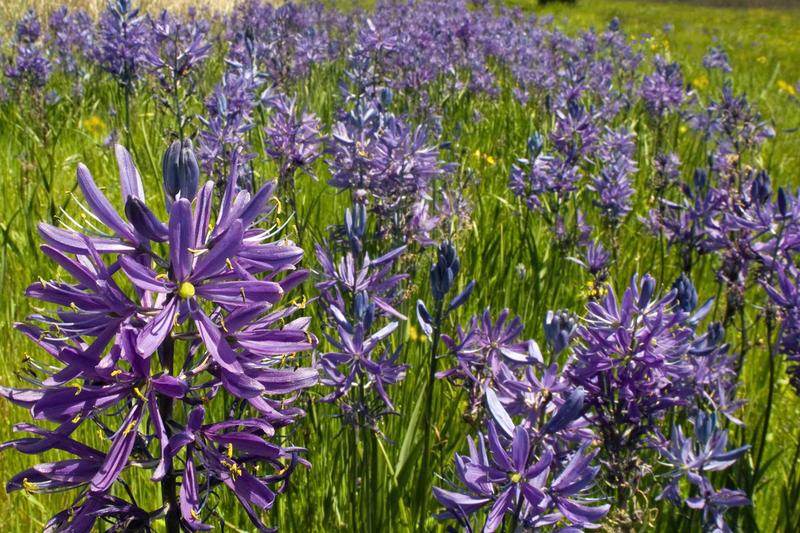
Quick facts
- Watering
- Minimal once established
- Sunlight
- Full sun to partial shade
- Soil
- Moisture-retentive, heavy to medium loam
- Humans
- Safe
- Cats
- Safe
- Dogs
- Safe
- Height
- 60–120 cm
- Spread
- 10–15 cm
- Spacing
- 10–15 cm apart
- RHS recognition
- Award of Garden Merit
About Camassia
Camassia is a striking North American bulb producing tall spires of star-shaped flowers in shades of blue, violet, or white during late spring and early summer. Native to meadows and grasslands of the Pacific Northwest, it has become a favourite in UK gardens for naturalising in damp borders and wildflower meadows. Its elegant flower spikes can reach over a metre tall, creating dramatic vertical interest when planted in generous drifts. Camassia is exceptionally hardy and thrives in the UK's cool, moist climate, requiring minimal maintenance once established.
UK fact: Camassia leichtlinii 'Caerulea' holds the RHS Award of Garden Merit and has become increasingly popular in British prairie-style planting schemes, particularly at RHS Wisley and Great Dixter, where it naturalises beautifully in grass.
Watering Camassia
Water newly planted bulbs if autumn is particularly dry, but established clumps rarely need watering in most UK regions. Camassia naturally grows in damp meadows and tolerates wet winter soil exceptionally well, making it perfect for heavy clay or poorly drained areas. During the growing season from March to June, ensure soil remains moist but not waterlogged. After flowering, as foliage dies back in summer, the bulbs enter dormancy and tolerate drier conditions.
Sunlight requirements
Plant in full sun for the most prolific flowering, though Camassia tolerates partial shade better than many bulbs, making it ideal for woodland edges or beneath deciduous trees. In warmer southern counties, light afternoon shade can be beneficial during hot spells. Avoid deep shade, which will result in weak, floppy stems and reduced flowering.
Soil and feeding
Plant in moisture-retentive, fertile soil with plenty of organic matter—Camassia is one of the few bulbs that actively prefers heavy clay soils. It tolerates a wide pH range from slightly acidic to neutral (pH 6.0-7.5) and performs poorly in light, sandy, or very free-draining soils that dry out quickly. Improve planting areas with well-rotted compost or manure to boost fertility. Unlike many bulbs, Camassia tolerates winter waterlogging, making it perfect for damp borders or meadows that remain wet during the dormant season.
Feed with a general-purpose granular fertiliser such as blood, fish and bone in March as new growth appears, scattering around clumps at 70g per square metre. Alternatively, apply a liquid feed high in potassium fortnightly during the flowering period to support strong blooms. Mulch around established clumps with well-rotted compost or leaf mould in autumn to improve soil structure and provide slow-release nutrients.
Pruning Camassia
Remove faded flower spikes in June or July by cutting stems back to the base, unless you wish to collect seed for propagation. Allow the strap-like foliage to die back naturally, which typically takes 6-8 weeks after flowering—this process is essential for the bulbs to photosynthesise and store energy for next year's display. Resist the temptation to tidy away green leaves, even if they look untidy. Once foliage has turned completely yellow and withered, usually by late July or August, it can be gently removed or left to decompose naturally in meadow plantings.
Propagating Camassia
Division is the quickest method: lift and separate overcrowded clumps every 4-5 years in September or October, replanting offsets immediately at the same depth. Camassia also grows readily from seed sown fresh in June or July in pots of loam-based compost, kept outdoors over winter to provide cold stratification. Seedlings appear the following spring but require patience, taking 3-4 years to reach flowering size. Self-sown seedlings often appear around established clumps in favourable conditions and can be transplanted when dormant.
Common problems
Camassia is remarkably trouble-free with few serious pests or diseases in UK gardens. Slugs and snails may damage emerging shoots in spring, particularly in wet weather, so apply organic slug pellets or barriers around new growth. Bulbs occasionally rot in excessively waterlogged soil during summer dormancy, though this is rare as Camassia tolerates wet conditions better than most bulbs. Narcissus bulb fly larvae very occasionally attack bulbs, causing them to become soft and fail to flower—lift and destroy affected bulbs if this occurs.
Spot a problem with your plant? Photograph the affected area using the Loam app and it will suggest the most likely cause and treatment.
Safety
- Humans
- Safe
- Cats
- Safe
- Dogs
- Safe
Toxicity information is for general guidance only.
Seasonal care calendar
Monthly care guide for Camassia in the UK, based on average conditions.
| Month | Care tasks |
|---|---|
| January | No action needed. Bulbs are dormant underground and fully hardy in frozen soil. |
| February | Watch for the first shoots emerging in mild spells. Apply slug deterrents around emerging growth if necessary. |
| March | Feed with blood, fish and bone as foliage develops. Ensure soil remains moist during the growing season. |
| April | Flower buds begin to form. Stake tall varieties in exposed sites if needed to prevent wind damage. |
| May | Peak flowering period. Enjoy the display and consider companion plantings for next year. Apply liquid feed fortnightly. |
| June | Deadhead spent flower spikes unless saving seed. Allow foliage to remain and continue photosynthesising. |
| July | Collect ripe seed if propagating. Foliage begins to yellow and die back naturally—leave it in place until completely withered. |
| August | Remove dead foliage once fully yellowed. Bulbs enter summer dormancy and tolerate drier conditions. |
| September | Ideal time to plant new bulbs or divide congested clumps. Plant 10cm deep in moisture-retentive soil. |
| October | Continue planting and dividing. Mulch around established clumps with compost to improve soil fertility. |
| November | Last chance to plant bulbs before soil becomes too cold and wet. Ensure new plantings are well firmed in. |
| December | No action needed. Bulbs are dormant and establishing roots underground ready for spring growth. |
Frequently asked questions
- When should I cut back Camassia foliage?
- Wait until foliage has turned completely yellow and died back naturally, usually by late July. Cutting back too early prevents the bulb from storing energy for next year's flowers. Leave at least 6-8 weeks after flowering finishes before removing leaves. In meadow plantings, this means delaying mowing until late summer.
- How do I know if my Camassia has a problem?
- Camassia is generally trouble-free, but yellowing leaves during active growth, failure to flower, or stunted stems can indicate issues with planting depth, soil conditions, or care timing. The Loam app can help diagnose specific problems by analysing photos of your plant and providing personalised advice based on your garden conditions and care history.
- What conditions does Camassia need to thrive?
- Camassia thrives in full sun to partial shade with moisture-retentive soil that stays damp in spring. It's ideal for heavy clay, bog gardens, pond margins, or any area that remains moist during the growing season. Unlike many bulbs, it tolerates winter wet exceptionally well but needs good moisture from March to June when actively growing.
Got a question about growing Camassia that isn't covered here? Ask the Garden Advisor in the Loam app. It knows your saved plants and local conditions.
Related plants
This page was compiled with AI assistance and reviewed by our team. .