String of Hearts
Ceropegia woodii
Houseplants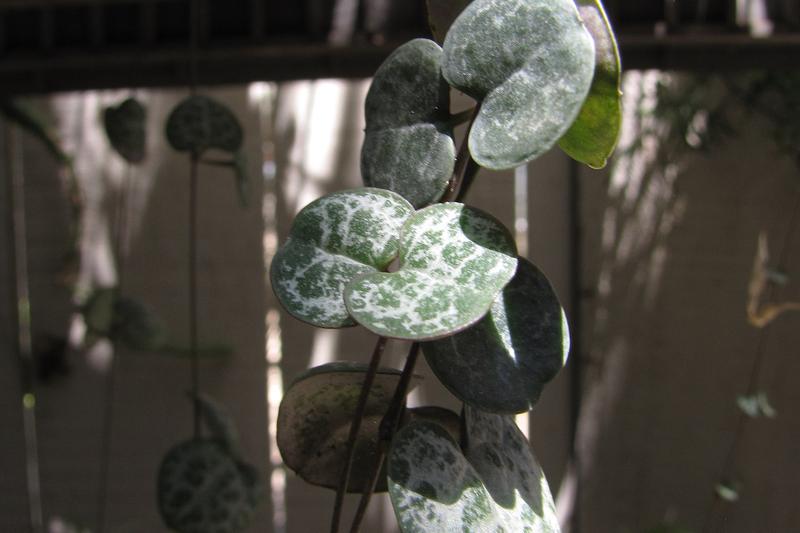
Quick facts
- Watering
- Fortnightly in growing season
- Sunlight
- Bright indirect light
- Soil
- Well-drained, gritty cactus compost
- Humans
- Safe
- Cats
- Safe
- Dogs
- Safe
- Height
- 10–15 cm
- Spread
- 60–120 cm
- Spacing
- 0 cm apart
About String of Hearts
String of Hearts is a delicate trailing succulent with heart-shaped, silver-marbled leaves cascading from thin, purple stems. Native to South Africa, this charming houseplant has become a favourite among UK indoor gardeners for its romantic appearance and easy-going nature. Its compact growth habit and tolerance of central heating make it perfectly suited to British homes, where it thrives on bright windowsills and in hanging baskets. The plant occasionally produces small, tubular purple flowers, adding to its ornamental appeal.
UK fact: String of Hearts has become increasingly popular in British homes since the 2010s houseplant revival, with the RHS reporting a surge in enquiries about this species at their advisory service, particularly from urban gardeners seeking low-maintenance trailing plants for small flats.
Watering String of Hearts
Water thoroughly when the top 2-3 cm of compost feels dry, typically every 10-14 days during spring and summer. As a succulent, String of Hearts stores water in its tuberous roots and fleshy leaves, making it tolerant of neglect and well-suited to busy UK households. Reduce watering significantly in winter to once monthly, as overwatering in the cooler, darker months is the most common cause of failure. Always allow excess water to drain completely, as this plant abhors sitting in water.
Sunlight requirements
String of Hearts thrives in bright, indirect light, making east or west-facing windowsills ideal in UK homes. Avoid direct summer sun, which can scorch the delicate leaves, though some gentle morning sun is beneficial. In darker British winters, move the plant closer to a south-facing window to maintain healthy growth and prevent the stems becoming leggy.
Soil and feeding
Use a specialist cactus and succulent compost or make your own by mixing two parts peat-free multipurpose compost with one part horticultural grit or perlite. Excellent drainage is essential to prevent root rot, particularly in the UK's humid climate. The plant tolerates a wide pH range but prefers slightly acidic to neutral conditions (pH 6.0-7.0). Repot only when pot-bound, typically every 2-3 years, as String of Hearts actually flowers more readily when slightly restricted.
Feed monthly during the growing season (April to September) with a diluted liquid fertiliser formulated for cacti and succulents, at half the recommended strength. Avoid feeding in autumn and winter when the plant is semi-dormant, as this can lead to weak, leggy growth in low UK light levels.
Pruning String of Hearts
Prune in spring to maintain shape and encourage bushier growth by pinching back long stems just above a leaf node. String of Hearts responds well to trimming and the cuttings can be easily propagated. Remove any yellowing or dead leaves throughout the year to maintain appearance and prevent fungal issues in humid UK conditions. If stems become excessively long and sparse, cut them back by up to half their length to rejuvenate the plant.
Propagating String of Hearts
String of Hearts propagates readily from stem cuttings, making it ideal for sharing with fellow UK gardeners. Take 10-15 cm cuttings in spring or summer, remove the lower leaves, and either place in water until roots develop (usually 2-3 weeks) or insert directly into moist cactus compost. Alternatively, the plant produces small tubers along its stems which can be pressed into compost whilst still attached to the parent plant, then severed once rooted. The butterfly method, where a stem is looped and pinned into compost, is particularly successful in the stable temperatures of British homes.
Common problems
String of Hearts is generally pest-free but can occasionally suffer from mealybugs, particularly in the leaf axils, which should be removed with a cotton bud dipped in diluted methylated spirits. Overwatering is the primary issue in UK homes, leading to root rot characterised by mushy stems and yellowing leaves; always err on the side of underwatering. In centrally heated British homes during winter, very low humidity rarely causes problems for this succulent, though aphids may appear on new growth in spring. Leggy growth with widely spaced leaves indicates insufficient light, common in north-facing rooms or during the British winter.
Spot a problem with your plant? Photograph the affected area using the Loam app and it will suggest the most likely cause and treatment.
Safety
- Humans
- Safe
- Cats
- Safe
- Dogs
- Safe
Toxicity information is for general guidance only.
Seasonal care calendar
Monthly care guide for String of Hearts in the UK, based on average conditions.
| Month | Care tasks |
|---|---|
| January | Water sparingly, only if compost is completely dry. Keep in brightest available position. |
| February | Continue minimal watering. Check for mealybugs as heating increases. |
| March | Begin to increase watering slightly as days lengthen. Prune leggy growth. |
| April | Resume regular watering and begin monthly feeding. Take cuttings for propagation. |
| May | Water when top compost dries. Repot if necessary. Continue feeding. |
| June | Maintain regular watering and feeding. Watch for small tubular flowers. |
| July | Water regularly, checking compost doesn't dry out completely. Feed monthly. |
| August | Continue watering and feeding regime. Take final cuttings if desired. |
| September | Reduce watering frequency slightly. Give final feed of the season. |
| October | Water less frequently as growth slows. Move to brighter position if needed. |
| November | Reduce watering to monthly. Ensure not in cold draughts from windows. |
| December | Water sparingly, only when compost fully dry. No feeding required. |
Frequently asked questions
- Why is my String of Hearts going bald and leggy?
- Leggy, sparse growth with large gaps between leaves is almost always caused by insufficient light, particularly common in UK homes during winter. Move your plant to a brighter spot, ideally near a south-facing window in the darker months, and prune back long stems in spring to encourage bushier growth from the base.
- How do I know when to water my String of Hearts?
- The Loam app can send you personalised watering reminders based on your home conditions, but generally water when the top 2-3 cm of compost feels dry and the leaves lose their plumpness. In UK centrally heated homes, this is typically every 10-14 days in summer and monthly in winter.
- Can String of Hearts survive in a bathroom?
- Yes, String of Hearts can thrive in a bathroom provided it has a window offering bright, indirect light. The occasional humidity from showers won't harm this succulent, and UK bathrooms often provide stable temperatures. However, avoid windowless bathrooms as insufficient light will cause the plant to become leggy and weak.
Got a question about growing String of Hearts that isn't covered here? Ask the Garden Advisor in the Loam app. It knows your saved plants and local conditions.
Related plants
This page was compiled with AI assistance and reviewed by our team. .