Bromeliad
Guzmania lingulata
Houseplants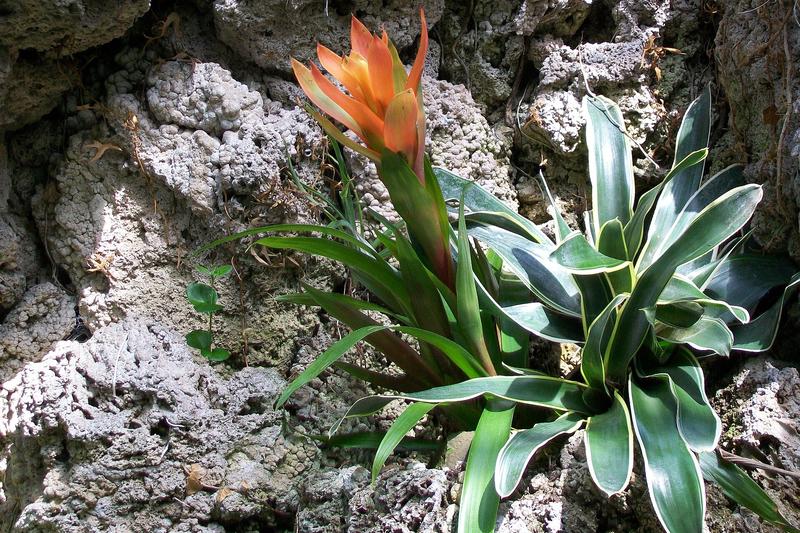
Quick facts
- Watering
- Weekly, filling central cup
- Sunlight
- Bright indirect light
- Soil
- Free-draining, orchid-type compost
- Humans
- Safe
- Cats
- Safe
- Dogs
- Safe
- Height
- 30–45 cm
- Spread
- 30–40 cm
- Spacing
- 35–45 cm apart
About Bromeliad
Bromeliad is a striking tropical houseplant native to the rainforests of Central and South America, prized for its vibrant red, orange, or yellow flower bracts that emerge from a rosette of glossy green leaves. In the UK, it's grown exclusively as an indoor plant, bringing exotic colour to homes and conservatories throughout the year. The central cup formed by the leaf rosette is a distinctive feature, designed to collect water in its natural habitat. Its long-lasting floral display and relatively easy care make it a popular choice for British houseplant enthusiasts seeking a splash of tropical drama.
UK fact: Bromeliads became fashionable in British Victorian conservatories during the 1800s, when wealthy plant collectors brought exotic specimens back from South American expeditions, and they remain popular in the RHS Chelsea Flower Show displays today.
Watering Bromeliad
The unique watering requirement of bromeliads involves filling the central 'vase' or cup with rainwater or filtered water, as tap water in hard-water areas of the UK can leave unsightly lime deposits. Empty and refill this cup weekly to prevent stagnation, and lightly water the compost every 7–10 days, allowing it to dry slightly between waterings. During British winter when central heating reduces humidity, mist the foliage 2–3 times weekly. Reduce watering frequency after flowering, as the plant's water needs diminish.
Sunlight requirements
Position your bromeliad within 1–2 metres of an east or west-facing window in the UK, where it will receive plenty of bright but indirect light. Avoid south-facing windowsills during summer months, as direct sun can bleach and burn the foliage. North-facing rooms may be too dim, resulting in poor growth and faded bract colour, though supplementary grow lights can compensate during darker British winter months.
Soil and feeding
Use a specialist bromeliad or orchid compost mix, or create your own by combining two parts bark chips, one part peat-free multipurpose compost, and one part perlite. The pH should be slightly acidic, between 5.0 and 6.0, which suits their epiphytic nature. Standard houseplant compost retains too much moisture and will cause root rot. Good drainage is essential, so ensure pots have adequate drainage holes and never allow the plant to sit in water.
From April to September, apply a balanced liquid houseplant fertiliser at quarter strength every 4 weeks, pouring a small amount into both the central cup and onto the compost. Bromeliads are light feeders and excess fertiliser can damage the roots or cause salt build-up on the leaves, particularly problematic in hard-water areas of the UK. Cease feeding from October to March when growth naturally slows.
Pruning Bromeliad
Bromeliads require minimal pruning beyond removing brown or damaged lower leaves by cutting them cleanly at the base with sterilised scissors. After the colourful bracts fade, which can take several months, cut the spent flower spike down to the base of the rosette. The mother plant will gradually decline after flowering, but before it dies completely it produces 'pups' or offsets at its base. Leave these attached until they're at least one-third the size of the parent plant before separating. Remove any completely brown, dead leaves from the mother plant to maintain appearance and prevent fungal issues in the humid conditions bromeliads prefer.
Propagating Bromeliad
The most reliable propagation method is by removing the offsets that naturally form around the base of the parent plant once it has flowered. Wait until these pups are at least 10–15 cm tall or roughly one-third the size of the mother plant before separation, typically 3–6 months after they first appear. Each offset should ideally have some roots developing before removal. Spring and early summer are the best times for propagation in the UK, giving the young plants the warmest months to establish.
Common problems
Bromeliads are relatively pest-free but can occasionally suffer from scale insects and mealybugs, particularly in warm, dry indoor conditions common in British homes with central heating. Brown leaf tips usually indicate low humidity or the use of hard tap water; switch to rainwater or filtered water and increase misting frequency. Root rot is the most serious issue, caused by overwatering the compost or using poorly draining soil – always ensure excellent drainage and allow the growing medium to dry slightly between waterings. The mother plant naturally dies after flowering, which is not a problem but part of the plant's lifecycle, so focus care on the developing pups.
Spot a problem with your plant? Photograph the affected area using the Loam app and it will suggest the most likely cause and treatment.
Safety
- Humans
- Safe
- Cats
- Safe
- Dogs
- Safe
Toxicity information is for general guidance only.
Seasonal care calendar
Monthly care guide for Bromeliad in the UK, based on average conditions.
| Month | Care tasks |
|---|---|
| January | Maintain warmth above 15°C. Water sparingly, keeping central cup filled. Mist foliage if central heating is on. |
| February | Continue minimal watering. Check for scale insects. Ensure adequate light as days begin to lengthen. |
| March | Increase watering frequency slightly as growth resumes. Begin monthly feeding at quarter strength. Remove any dead leaves. |
| April | Resume regular watering and feeding schedule. Ideal time to separate well-developed pups from mother plant. |
| May | Continue regular care. Repot if necessary using orchid compost. Increase humidity through misting or pebble trays. |
| June | Peak growing season – maintain weekly watering and monthly feeding. Watch for flower bracts developing. Propagate pups. |
| July | Ensure protection from direct sunlight. Maintain high humidity through regular misting. Continue feeding and watering routine. |
| August | Continue summer care routine. Flush central cup weekly with fresh water. Monitor for pests in warm conditions. |
| September | Reduce feeding frequency as growth slows. Maintain watering. Last opportunity to propagate pups before winter. |
| October | Stop feeding. Reduce watering frequency slightly. Ensure minimum temperature of 15°C as heating comes on. |
| November | Water sparingly but keep central cup filled. Increase misting if indoor air becomes dry. Maintain warmth. |
| December | Minimal watering required. Keep away from cold draughts and windows. Maintain humidity through misting. |
Frequently asked questions
- Why are my bromeliad's leaf tips turning brown?
- Brown leaf tips typically indicate low humidity, common in centrally heated British homes, or the use of hard tap water containing fluoride and chlorine. Increase humidity by misting daily or using a pebble tray, and switch to rainwater or filtered water for both the cup and compost.
- How do I know if my bromeliad is getting enough light?
- Guzmania bromeliads need bright, indirect light—too little causes faded bracts and leggy growth, whilst direct sun scorches leaves. They thrive near north or east-facing windows in the UK. If you're unsure about your plant's light levels or notice unusual symptoms, the Loam app can help diagnose issues and provide personalised care reminders based on your home's conditions.
- When should I separate bromeliad pups?
- Wait until pups are at least one-third the size of the mother plant, typically 10–15 cm tall with visible roots forming at the base. This usually takes 3–6 months after they first appear. Spring and early summer are the best times for separation in the UK, giving them warm months to establish.
Got a question about growing Bromeliad that isn't covered here? Ask the Garden Advisor in the Loam app. It knows your saved plants and local conditions.
Related plants
This page was compiled with AI assistance and reviewed by our team. .