Bird of Paradise
Strelitzia reginae
Houseplants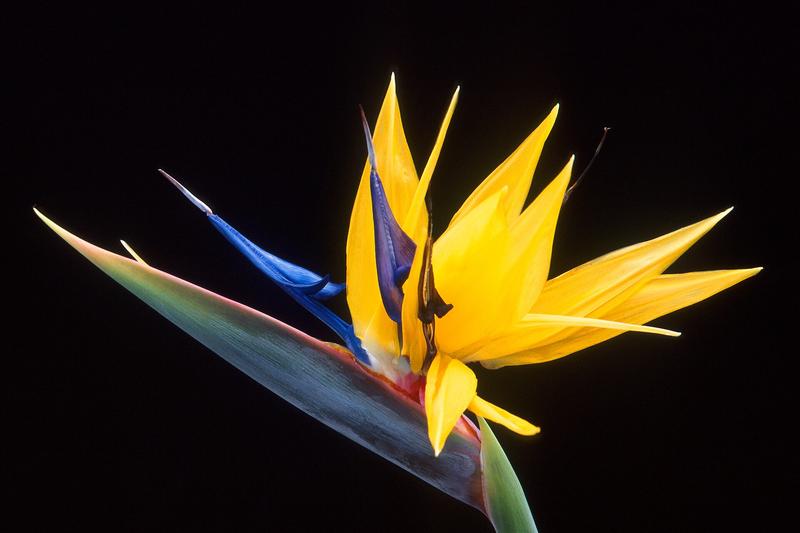
Quick facts
- Watering
- Weekly in summer, fortnightly in winter
- Sunlight
- Full sun to partial shade
- Soil
- Well-drained, loam-based compost
- Humans
- Toxic
- Cats
- Toxic
- Dogs
- Toxic
- Height
- 100–150 cm
- Spread
- 60–90 cm
- Spacing
- 60–90 cm apart
About Bird of Paradise
Bird of Paradise is a striking evergreen perennial native to South Africa, renowned for its dramatic orange and blue flowers that resemble a tropical bird in flight. In the UK, it is grown almost exclusively as a houseplant due to our cool climate, though it can be moved outdoors to a sheltered patio during summer. The large, paddle-shaped leaves create an architectural focal point in conservatories and bright living spaces. Mature plants can flower indoors given sufficient light and warmth, though blooms are less reliable than in their native habitat.
UK fact: Strelitzia reginae was introduced to Kew Gardens in 1773 and named in honour of Queen Charlotte, wife of George III, who was Duchess of Mecklenburg-Strelitz and a keen patron of botany and horticulture.
Watering Bird of Paradise
Water thoroughly when the top 3–5 cm of compost feels dry during spring and summer, allowing excess to drain freely. Bird of Paradise dislikes sitting in waterlogged compost, which quickly leads to root rot. In the UK's cooler, darker winter months, reduce watering to every two weeks or less, allowing the compost to dry out more between waterings. Use tepid water rather than cold tap water, and mist the foliage occasionally to increase humidity, particularly in centrally heated homes.
Sunlight requirements
Position in the brightest spot available, ideally a south-facing window or conservatory where it will receive several hours of direct sunlight daily. In the UK, insufficient light is the most common reason Bird of Paradise fails to flower indoors. During summer, plants benefit from being moved outdoors to a sunny, sheltered patio, but must be brought inside before night temperatures drop below 10°C.
Soil and feeding
Use a loam-based compost such as John Innes No. 3, which provides good structure and drainage whilst retaining sufficient moisture and nutrients for this large, hungry plant. Mix in additional horticultural grit or perlite (one part grit to three parts compost) to improve drainage further. Bird of Paradise prefers a slightly acidic to neutral pH of 6.0–7.0. Repot every two to three years in spring, moving up one pot size, as the plant flowers best when slightly pot-bound.
Apply a balanced liquid houseplant feed at half strength every two weeks from April through to September. Switch to a high-potassium tomato feed during summer to encourage flower production in mature plants. Cease feeding entirely from October to March when growth slows in response to lower UK light levels.
Pruning Bird of Paradise
Cut back yellowing or brown leaves at the base using clean, sharp secateurs, taking care not to damage emerging new growth. Remove spent flower stems once blooms have faded, cutting them down to the base of the plant. Bird of Paradise does not require formative pruning, but older plants can become congested; carefully remove outer leaves if the centre becomes too crowded. Wipe down the large leaves with a damp cloth every few weeks to remove dust and allow the plant to photosynthesise efficiently.
Propagating Bird of Paradise
The most reliable method is division of established clumps in late spring. Carefully remove the plant from its pot and tease apart rooted sections, ensuring each division has at least three healthy shoots and a good root system. Pot up divisions immediately into loam-based compost and water well. Seed propagation is possible but slow; soak fresh seeds for 24 hours in warm water, sow in moist seed compost at 20–25°C, and expect germination in one to three months.
Common problems
Bird of Paradise is relatively pest-free indoors, though scale insects and red spider mite can occasionally infest plants, particularly in dry, centrally heated UK homes; treat with insecticidal soap or biological controls. Overwatering or poor drainage leads to root rot, causing yellowing leaves and mushy stems; always ensure pots have drainage holes and reduce watering in winter. Brown leaf tips and edges are common and usually indicate low humidity, irregular watering, or fluoride in tap water; mist regularly and use rainwater or filtered water if possible. Failure to flower is almost always due to insufficient light or the plant being too young, as Bird of Paradise typically needs to be at least five years old before blooming.
Spot a problem with your plant? Photograph the affected area using the Loam app and it will suggest the most likely cause and treatment.
Safety
- Humans
-
Toxic
All parts contain calcium oxalate crystals and hydrocyanic acid, which can cause mouth and throat irritation, nausea, and vomiting if ingested. Handle with care and keep away from children.
- Cats
-
Toxic
Ingestion causes oral irritation, drooling, vomiting, and difficulty swallowing due to calcium oxalate crystals. Seek veterinary advice if consumed.
- Dogs
-
Toxic
Ingestion causes oral irritation, drooling, vomiting, and difficulty swallowing due to calcium oxalate crystals. Seek veterinary advice if consumed.
Toxicity information is for general guidance only. If a person or pet has been exposed to this plant and you are concerned, seek advice from a medical professional or vet.
Seasonal care calendar
Monthly care guide for Bird of Paradise in the UK, based on average conditions.
| Month | Care tasks |
|---|---|
| January | Keep compost barely moist and maintain temperatures above 10°C. Wipe dust from leaves. |
| February | Continue minimal watering. Check for scale insects on leaf undersides and stems. |
| March | Increase watering slightly as light levels improve. Remove any dead or damaged leaves. |
| April | Begin fortnightly feeding with balanced liquid fertiliser. Repot if rootbound, moving up one pot size. |
| May | Water weekly and feed regularly. Move outdoors to a sheltered, sunny spot once night temperatures stay above 10°C. |
| June | Maintain regular watering and feeding. Switch to high-potassium feed to encourage flowering in mature plants. |
| July | Water frequently in hot weather, ensuring compost doesn't dry out. Mist foliage to increase humidity. |
| August | Continue weekly watering and feeding. Watch for red spider mite in dry conditions. |
| September | Bring plants indoors before night temperatures drop below 10°C. Reduce feeding frequency. |
| October | Cease feeding and reduce watering as growth slows. Position in the brightest available spot indoors. |
| November | Water sparingly, allowing compost to dry out between waterings. Maintain minimum temperature of 10°C. |
| December | Keep compost barely moist. Avoid cold draughts and ensure adequate light during short winter days. |
Frequently asked questions
- Why is my Bird of Paradise not flowering indoors in the UK?
- Bird of Paradise needs intense, direct sunlight for several hours daily to flower, which can be challenging in UK homes. Plants must also be at least five to seven years old and slightly pot-bound. Position in a south-facing conservatory or window, feed with high-potassium fertiliser in summer, and be patient—indoor flowering is less reliable than outdoors in tropical climates.
- How can I tell if I'm overwatering or underwatering my Bird of Paradise?
- Overwatering causes yellowing lower leaves, mushy stems, and a sour smell from the compost, whilst underwatering leads to brown, crispy leaf edges and curling foliage. The Loam app can help you track watering schedules and diagnose symptoms with personalised care reminders tailored to your home conditions.
- Can I keep Bird of Paradise outdoors in the UK year-round?
- No—Bird of Paradise is frost-tender and will not survive UK winters outdoors. You can move it to a sheltered, sunny patio from late May through September, but it must be brought inside before night temperatures drop below 10°C, typically by late September or early October.
Got a question about growing Bird of Paradise that isn't covered here? Ask the Garden Advisor in the Loam app. It knows your saved plants and local conditions.
Related plants
This page was compiled with AI assistance and reviewed by our team. .