Swan River Daisy
Brachyscome iberidifolia
Annuals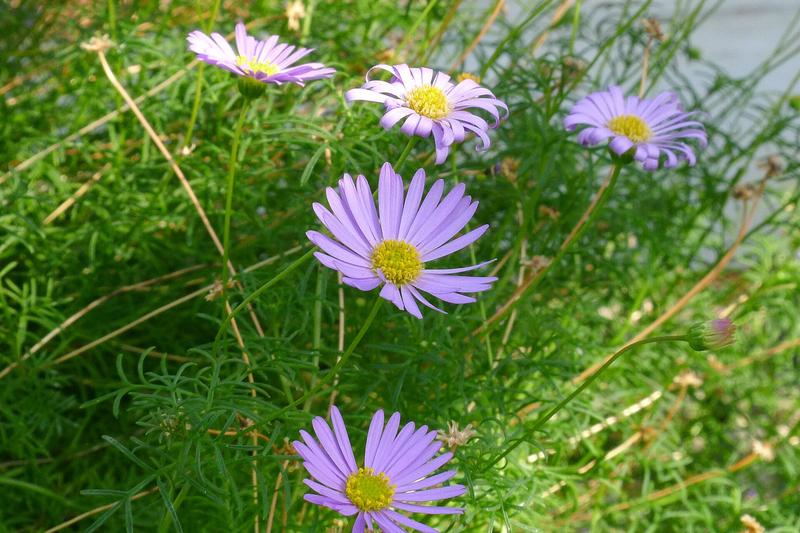
Quick facts
- Watering
- Two to three times weekly
- Sunlight
- Full sun to partial shade
- Soil
- Well-drained, moderately fertile
- Humans
- Safe
- Cats
- Safe
- Dogs
- Safe
- Height
- 20–30 cm
- Spread
- 30–45 cm
- Spacing
- 20–30 cm apart
About Swan River Daisy
Swan River Daisy is a delicate Australian annual producing masses of daisy-like flowers in shades of blue, purple, pink, and white throughout summer. Growing to just 30cm tall with finely divided, feathery foliage, this charming plant creates a soft, cottage-garden effect in borders, containers, and hanging baskets. UK gardeners prize it for its long flowering season, low-maintenance nature, and ability to thrive in our cool summers. The profusion of small blooms attracts bees and butterflies, making it an excellent choice for wildlife-friendly gardens.
UK fact: Swan River Daisy performs exceptionally well in the cooler British climate, often flowering more prolifically here than in its native Western Australia, where intense heat can shorten the blooming period.
Watering Swan River Daisy
Water regularly to keep the soil consistently moist but never waterlogged, particularly during dry spells and for container-grown plants. In the ground, established plants need watering two to three times weekly during typical British summers, increasing to daily during heatwaves. Container specimens dry out quickly and may need daily watering in warm weather. Reduce watering if prolonged rain is forecast, as soggy conditions can lead to root rot and reduced flowering.
Sunlight requirements
Swan River Daisy flowers most prolifically in full sun but tolerates partial shade, particularly in southern England where afternoon shade can prevent stress during hot spells. In Scotland and northern regions, choose the sunniest spot available to maximise flowering. South or west-facing positions are ideal, though avoid very hot, dry spots against south-facing walls where plants may struggle.
Soil and feeding
Swan River Daisy thrives in well-drained soil that doesn't become waterlogged, making it ideal for sandy or loamy soils. Heavy clay soils should be improved with grit and organic matter to enhance drainage. The plant tolerates a wide pH range from slightly acidic to slightly alkaline (pH 6.0-7.5). For containers, use a good-quality multipurpose compost mixed with extra perlite or grit to ensure excellent drainage.
Feed container-grown plants fortnightly with a balanced liquid fertiliser from June through September to maintain continuous flowering. Plants in the ground rarely need feeding if planted in reasonably fertile soil, though a single application of general-purpose fertiliser in midsummer can boost performance. Avoid high-nitrogen feeds which promote foliage at the expense of flowers.
Pruning Swan River Daisy
Deadhead spent flowers regularly throughout the summer to encourage continuous blooming and maintain a tidy appearance. Pinch out the growing tips of young plants in late May to promote bushier growth and more flower stems. If plants become leggy or flowering slows in midsummer, trim back by one-third to rejuvenate growth and stimulate a fresh flush of blooms. Remove entire plants after the first frosts have blackened the foliage in autumn.
Propagating Swan River Daisy
Sow seeds indoors in March or April at 15-18°C, barely covering them with compost as they need some light to germinate. Seedlings typically emerge within 10-21 days and should be pricked out into individual pots once large enough to handle. Harden off gradually in a cold frame for 10-14 days before planting out after all risk of frost has passed in late May or early June. Alternatively, sow directly outdoors in late April or May where plants are to flower, thinning seedlings to 20-30cm apart once they're large enough to handle.
Common problems
Swan River Daisy is relatively trouble-free but can suffer from aphid infestations, particularly on young growth in spring and early summer; treat with insecticidal soap or encourage natural predators. Powdery mildew may appear in humid conditions or where air circulation is poor, especially on container plants; improve spacing and avoid overhead watering. Overwatering or poorly drained soil can lead to root rot and damping off, causing plants to collapse. Slugs and snails occasionally damage young plants in wet weather, so protect seedlings with organic slug pellets or barriers.
Spot a problem with your plant? Photograph the affected area using the Loam app and it will suggest the most likely cause and treatment.
Safety
- Humans
- Safe
- Cats
- Safe
- Dogs
- Safe
Toxicity information is for general guidance only.
Seasonal care calendar
Monthly care guide for Swan River Daisy in the UK, based on average conditions.
| Month | Care tasks |
|---|---|
| January | No action needed. |
| February | No action needed. |
| March | Sow seeds indoors in trays or modules at 15-18°C for early flowering. |
| April | Continue sowing indoors. Prick out earlier sowings into individual pots. Sow directly outdoors in mild regions from late April. |
| May | Harden off indoor-raised plants. Plant out after last frosts in late May. Pinch out growing tips to encourage bushiness. Sow directly outdoors. |
| June | Plant out any remaining seedlings. Begin deadheading as first flowers fade. Water regularly, especially containers. Start fortnightly feeding of container plants. |
| July | Deadhead regularly to prolong flowering. Water frequently during dry spells. Continue fortnightly feeding. Trim back leggy plants to encourage fresh growth. |
| August | Continue deadheading, watering, and feeding. Trim back if flowering slows to stimulate a second flush. |
| September | Continue deadheading and watering as needed. Reduce feeding frequency. Enjoy late-season flowers. |
| October | Plants may continue flowering in mild autumns. Remove plants once frosted or flowering ceases. |
| November | Clear away spent plants and add to compost heap. |
| December | No action needed. |
Frequently asked questions
- When should I plant Swan River Daisy in the UK?
- Plant Swan River Daisy outdoors after all risk of frost has passed, typically from late May in southern England and early June in northern regions. For earlier flowers, sow seeds indoors in March or April and transplant hardened-off seedlings in late May.
- Why has my Swan River Daisy stopped flowering in midsummer?
- This often indicates the plant needs deadheading, more frequent watering, or a light trim to rejuvenate growth. The Loam app can send you timely reminders for deadheading and help diagnose specific issues based on your plant's conditions and recent weather patterns.
- Can Swan River Daisy survive winter in the UK?
- No, Swan River Daisy is a half-hardy annual that will be killed by the first frosts. Treat it as a summer bedding plant, enjoying its flowers from June to October, then remove and compost plants in autumn. You'll need to sow fresh seeds each spring for the following year's display.
Got a question about growing Swan River Daisy that isn't covered here? Ask the Garden Advisor in the Loam app. It knows your saved plants and local conditions.
Related plants
This page was compiled with AI assistance and reviewed by our team. .