Bittersweet
Solanum dulcamara
Weeds and Invasives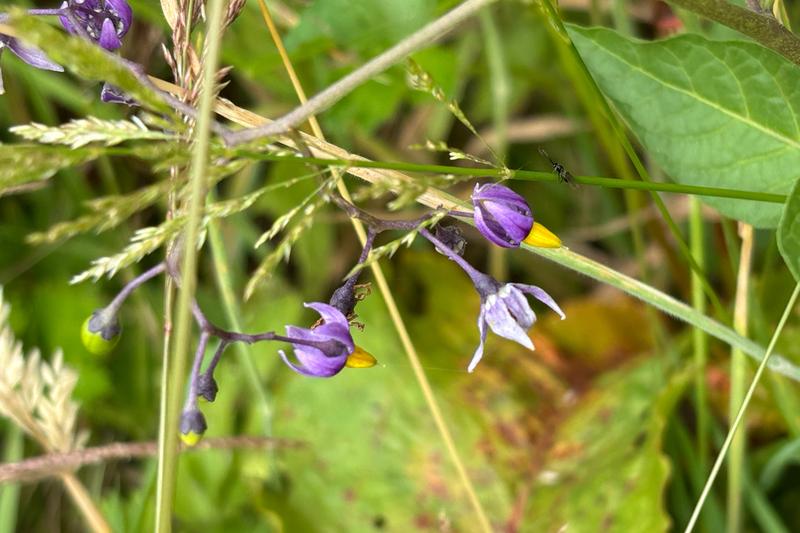
Quick facts
- Watering
- Moderate, keep soil moist
- Sunlight
- Full sun to partial shade
- Soil
- Moist, well-drained, fertile
- Humans
- Toxic
- Cats
- Toxic
- Dogs
- Toxic
- Height
- 100–400 cm
- Spread
- 100–200 cm
- Spacing
- 150–200 cm apart
About Bittersweet
Bittersweet is a native British scrambling perennial with distinctive purple and yellow flowers followed by bright red berries. This vigorous climber grows wild in hedgerows, woodland edges, and damp places throughout the UK. Gardeners value it for wildlife gardens and naturalistic plantings, where its flowers attract pollinators and berries provide autumn interest, though all parts are toxic to humans, cats, and dogs.
UK fact: Bittersweet has been documented in British herbals since medieval times and was traditionally used in folk medicine, though its toxicity means it should never be consumed today.
Watering Bittersweet
Water regularly during the first growing season to establish a deep root system. Once established, bittersweet tolerates some drought but performs best with consistent moisture, particularly during dry spells in summer. In typical UK conditions, natural rainfall often suffices except during prolonged dry periods. Plants in containers require more frequent watering, especially when flowering and fruiting.
Sunlight requirements
Bittersweet thrives in full sun to partial shade, mirroring its natural habitat in British hedgerows and woodland margins. In southern UK gardens, afternoon shade helps prevent leaf scorch during hot summers. North-facing or east-facing positions suit it well, though flowering and fruiting are most prolific in sunnier spots.
Soil and feeding
Bittersweet grows in a wide range of soil types but prefers moist, fertile, well-drained conditions. It tolerates clay, loam, and sandy soils and adapts to pH from slightly acidic to slightly alkaline (pH 6.0-7.5). In its natural habitat, it often grows in damp hedgerows and woodland edges, so adding organic matter improves performance. Avoid waterlogged sites, though it tolerates occasional flooding better than many garden plants.
Apply a balanced general-purpose fertiliser in early spring to support vigorous growth. In wildlife gardens with naturally fertile soil, additional feeding is often unnecessary. Avoid high-nitrogen feeds that promote excessive leafy growth at the expense of flowers and berries.
Pruning Bittersweet
Prune in late winter or early spring before new growth emerges to control size and prevent it becoming invasive. Cut back hard if necessary, as bittersweet regenerates vigorously from old wood. Remove dead, damaged, or crossing stems to maintain an open structure. In wildlife gardens, leave some stems unpruned to provide winter cover for insects and birds, then tidy in March.
Propagating Bittersweet
Bittersweet propagates readily from semi-ripe cuttings taken in summer or hardwood cuttings in autumn. Seed propagation is also successful: collect ripe berries in autumn, extract seeds, and sow in pots outdoors over winter for natural stratification. Germination occurs the following spring. Established plants may self-seed freely, and rooted sections can be divided in spring, though this is rarely necessary given its vigorous nature.
Common problems
As a member of the Solanaceae family, bittersweet can be affected by aphids, particularly in spring when new growth is tender. Slugs and snails may damage young shoots. Powdery mildew can occur in dry conditions with poor air circulation, though this rarely causes serious harm. The main issue for UK gardeners is controlling its vigorous growth, as it can become invasive if not managed through regular pruning.
Spot a problem with your plant? Photograph the affected area using the Loam app and it will suggest the most likely cause and treatment.
Safety
- Humans
-
Toxic
All parts of bittersweet are toxic if ingested, containing solanine and other glycoalkaloids. Berries are particularly dangerous to children due to their attractive appearance. Symptoms include nausea, vomiting, abdominal pain, and in severe cases, neurological effects.
- Cats
-
Toxic
Toxic to cats if ingested. Contains solanine, which can cause gastrointestinal upset, drooling, vomiting, and lethargy. Seek veterinary attention if ingestion is suspected.
- Dogs
-
Toxic
Toxic to dogs if ingested. The berries and foliage contain solanine, causing vomiting, diarrhoea, abdominal pain, and potentially more serious neurological symptoms. Contact a vet immediately if your dog consumes any part of this plant.
Toxicity information is for general guidance only. If a person or pet has been exposed to this plant and you are concerned, seek advice from a medical professional or vet.
Seasonal care calendar
Monthly care guide for Bittersweet in the UK, based on average conditions.
| Month | Care tasks |
|---|---|
| January | No action needed; plant is dormant. |
| February | Plan pruning for late in the month if weather permits. |
| March | Prune to control size and shape before new growth begins. Apply balanced fertiliser. |
| April | New growth emerges. Water if conditions are dry. Watch for aphids on young shoots. |
| May | Growth accelerates rapidly. Provide support for climbing stems. Take semi-ripe cuttings late in the month. |
| June | Flowering begins. Deadhead spent blooms if preventing self-seeding. Water during dry spells. |
| July | Peak flowering period. Take semi-ripe cuttings. Monitor for powdery mildew in dry weather. |
| August | Flowers continue; green berries begin to form. Take semi-ripe cuttings early in the month. |
| September | Berries ripen to bright red, providing autumn interest. Collect seed if propagating. |
| October | Berries persist, attracting birds. Take hardwood cuttings. Sow collected seed in pots outdoors. |
| November | Foliage begins to die back. Leave some stems for winter wildlife habitat. |
| December | Plant enters dormancy. Plan pruning for late winter. |
Frequently asked questions
- Is bittersweet poisonous to humans and pets?
- Yes, all parts of bittersweet are toxic to humans, cats, and dogs. The attractive red berries are particularly dangerous to children and pets. The plant contains solanine and other glycoalkaloids that cause gastrointestinal distress and, in severe cases, neurological symptoms. Plant it only in areas where children and pets cannot access it, and seek medical or veterinary attention immediately if ingestion occurs.
- How do I stop bittersweet taking over my garden?
- Bittersweet can become invasive without regular management. Prune hard in late winter to control spread, and remove any self-seeded seedlings promptly. The Loam app can send you seasonal reminders for pruning and help you identify seedlings early, making control much easier before the plant becomes established in unwanted areas.
- When does bittersweet flower and fruit in the UK?
- Bittersweet flowers from June to August, producing distinctive purple and yellow blooms. Green berries form in late summer and ripen to bright red from September through October, often persisting into winter. The berries provide valuable autumn and winter interest in wildlife gardens, though remember they are toxic to humans and pets.
Got a question about growing Bittersweet that isn't covered here? Ask the Garden Advisor in the Loam app. It knows your saved plants and local conditions.
Related plants
This page was compiled with AI assistance and reviewed by our team. .