Coral Plant
Berberidopsis corallina
Climbers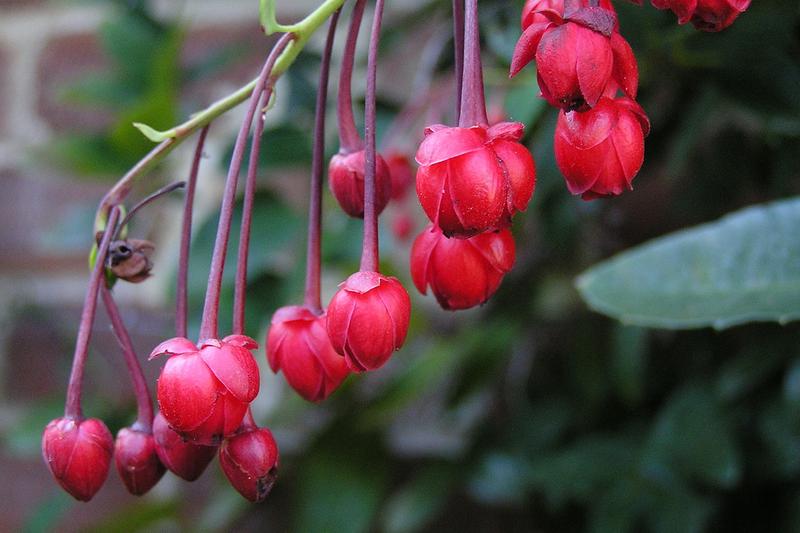
Quick facts
- Watering
- Weekly during growing season
- Sunlight
- Partial to full shade
- Soil
- Moist, acidic, humus-rich
- Humans
- Unknown
- Cats
- Unknown
- Dogs
- Unknown
- Height
- 300–500 cm
- Spread
- 150–250 cm
- Spacing
- 200–250 cm apart
- RHS recognition
- Award of Garden Merit
About Coral Plant
Berberidopsis corallina is a rare and exquisite evergreen climber native to the temperate rainforests of Chile, prized for its pendulous clusters of deep coral-red flowers that appear from summer into autumn. Its glossy, dark green, heart-shaped leaves provide year-round interest, making it a coveted specimen for sheltered British gardens. UK gardeners grow this plant for its unusual beauty and the challenge of cultivating a tender woodland climber that thrives in cool, moist, shaded conditions. With patience and the right microclimate, it rewards with a display unlike any other climber in the British garden.
UK fact: Berberidopsis corallina holds an RHS Award of Garden Merit and is considered a collector's plant in the UK, thriving particularly well in the mild, humid gardens of Cornwall, Devon, and the west coast of Scotland where conditions mirror its native Chilean habitat.
Watering Coral Plant
Keep the soil consistently moist but never waterlogged, particularly during the growing season from spring through autumn. In the UK, natural rainfall often suffices in western regions, but plants in drier eastern areas or under eaves will need regular watering. Reduce watering in winter but never allow the root zone to dry out completely. Mulch annually to retain moisture and mimic the cool, damp forest floor conditions it prefers.
Sunlight requirements
Coral Plant thrives in dappled shade or full shade, mimicking its native forest understorey habitat. In the UK, position it on a north or west-facing wall where it receives protection from harsh sun and drying winds. Avoid south-facing aspects, as strong sunlight can scorch the foliage and stress the plant.
Soil and feeding
Berberidopsis corallina demands acidic to neutral soil with a pH of 5.5 to 6.5, rich in organic matter and with excellent moisture retention. Incorporate generous amounts of leaf mould, ericaceous compost, or well-rotted pine needles at planting time. The soil must be free-draining yet moisture-retentive; heavy clay should be improved with grit and organic matter, while sandy soils need bulking up with compost. Avoid chalky or alkaline soils entirely, as the plant will suffer from chlorosis and fail to thrive.
Apply a balanced liquid feed monthly during the growing season from April to August, or use a slow-release ericaceous fertiliser in spring. Avoid high-nitrogen feeds that promote soft growth at the expense of flowers. A spring mulch of leaf mould or ericaceous compost provides gentle, sustained nutrition.
Pruning Coral Plant
Prune lightly after flowering in late autumn or early spring to remove any dead, damaged, or frost-affected growth and to maintain shape. Coral Plant flowers on the current season's growth, so avoid hard pruning which can reduce flowering. Tie in new shoots to supports as they develop, training them horizontally to encourage more flowering laterals. Established plants rarely need heavy pruning and resent being cut back hard.
Propagating Coral Plant
Propagate Berberidopsis corallina from semi-ripe cuttings taken in late summer, using hormone rooting powder and a mix of peat-free ericaceous compost and perlite. Layering is also successful: peg down a low-growing stem in spring, wound the underside, and cover with soil; roots should form within a year. Seed is rarely available and germination is slow and erratic. Cuttings require bottom heat and high humidity, so a heated propagator is beneficial for UK gardeners.
Common problems
Coral Plant is relatively pest-free but can suffer from vine weevil, particularly in container-grown specimens; check for notched leaves and treat the compost with biological controls. Chlorosis (yellowing leaves) indicates alkaline soil or poor drainage, both of which must be corrected. Frost damage is the most common problem in colder UK regions, causing dieback of shoots; protect with fleece during hard frosts or grow in a cool conservatory. Powdery mildew can occur in dry conditions, so maintain good soil moisture and air circulation.
Spot a problem with your plant? Photograph the affected area using the Loam app and it will suggest the most likely cause and treatment.
Safety
- Humans
-
Unknown
No confirmed toxicity data available; handle with care and avoid ingestion.
- Cats
-
Unknown
No confirmed toxicity data available; monitor pets and discourage chewing.
- Dogs
-
Unknown
No confirmed toxicity data available; monitor pets and discourage chewing.
Toxicity information is for general guidance only. If a person or pet has been exposed to this plant and you are concerned, seek advice from a medical professional or vet.
Seasonal care calendar
Monthly care guide for Coral Plant in the UK, based on average conditions.
| Month | Care tasks |
|---|---|
| January | Protect from hard frosts with fleece or move container plants under cover. |
| February | Check for frost damage and remove any affected shoots. |
| March | Apply slow-release ericaceous fertiliser and refresh mulch with leaf mould. |
| April | Tie in new growth to supports and begin monthly liquid feeding. |
| May | Water regularly as growth accelerates; ensure soil remains moist. |
| June | Continue watering and feeding; watch for early flower buds forming. |
| July | Enjoy the coral-red flowers; deadhead spent blooms to prolong display. |
| August | Take semi-ripe cuttings for propagation; maintain watering in dry spells. |
| September | Flowering continues; reduce feeding as growth slows. |
| October | Tidy up after flowering and lightly prune to shape if needed. |
| November | Reduce watering as plant enters dormancy; apply winter mulch. |
| December | Protect from severe frosts; check ties and supports are secure. |
Frequently asked questions
- Why won't my Coral Plant flower?
- Coral Plant needs acidic, moisture-retentive soil, consistent shade, and protection from frost to flower well. Too much sun, alkaline soil, or drought stress will prevent flowering. Ensure the plant is established (it can take 2-3 years), feed with ericaceous fertiliser, and avoid hard pruning which removes flowering wood.
- How do I know if my Coral Plant needs more water or shade?
- Yellowing leaves with brown edges suggest drought stress, while scorched, crispy foliage indicates too much sun. The Loam app can track your watering schedule and send reminders based on your local weather, helping you maintain the consistent moisture this fussy climber demands.
- Can I grow Coral Plant in a container in the UK?
- Yes, Coral Plant grows well in large containers filled with ericaceous compost, making it ideal for patios in colder regions where you can move it to shelter in winter. Use a pot at least 45cm wide, water regularly, and feed monthly during the growing season. Container plants are more vulnerable to frost, so overwinter in a cool greenhouse or porch.
Got a question about growing Coral Plant that isn't covered here? Ask the Garden Advisor in the Loam app. It knows your saved plants and local conditions.
Related plants
This page was compiled with AI assistance and reviewed by our team. .