Lipstick Plant
Aeschynanthus radicans
Houseplants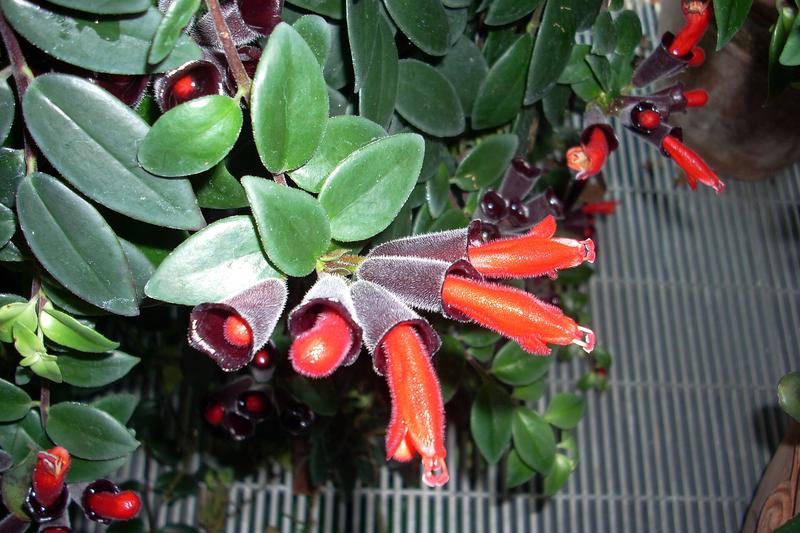
Quick facts
- Watering
- Weekly during growing season
- Sunlight
- Bright indirect light
- Soil
- Well-draining, peat-free compost
- Humans
- Safe
- Cats
- Safe
- Dogs
- Safe
- Height
- 20–60 cm
- Spread
- 30–90 cm
- Spacing
- 0 cm apart
About Lipstick Plant
The Lipstick Plant is a stunning trailing houseplant native to the humid forests of Southeast Asia, prized for its glossy, waxy leaves and vibrant tubular red flowers that emerge from dark maroon calyxes resembling lipstick tubes. In the UK, it has become increasingly popular as a hanging basket or shelf plant, bringing a touch of tropical glamour to conservatories, bathrooms, and bright living spaces. Its cascading stems can reach impressive lengths, creating dramatic displays when given the warmth and humidity it craves. British gardeners value it for its ability to flower reliably indoors when given proper care, with blooms appearing primarily from spring through summer.
UK fact: The Lipstick Plant thrives particularly well in British bathrooms and kitchens where natural humidity levels mimic its native rainforest habitat, making it one of the few flowering houseplants that actually benefits from the steam generated by typical UK household activities.
Watering Lipstick Plant
Water thoroughly when the top 2-3cm of compost feels dry to the touch, typically once weekly during spring and summer, reducing to fortnightly in autumn and winter when growth slows. The Lipstick Plant prefers consistent moisture but is susceptible to root rot if left waterlogged, so ensure excess water drains freely from the pot. In centrally heated UK homes during winter, monitor soil moisture carefully as radiators can dry out compost more quickly than expected. Use tepid water rather than cold tap water to avoid shocking the roots, and consider misting the foliage regularly to maintain humidity, particularly during the drier winter months when indoor heating is in use.
Sunlight requirements
Position in bright, indirect light such as an east-facing windowsill or a few feet back from a south-facing window in UK homes. Direct summer sun through glass can scorch the glossy leaves, whilst insufficient light will result in leggy growth and reduced flowering. North-facing positions are generally too dim unless supplemented with grow lights during the darker British winter months.
Soil and feeding
Plant in a light, well-draining houseplant compost, ideally a peat-free mix containing perlite, orchid bark, or coir to ensure excellent drainage and aeration around the roots. A slightly acidic to neutral pH of 5.5-6.5 is ideal for optimal growth and flowering. Adding a small amount of horticultural charcoal can help keep the compost fresh and prevent souring in the humid conditions this plant prefers. Repot every 2-3 years in spring, moving up only one pot size as Lipstick Plants flower best when slightly pot-bound.
Feed fortnightly during the growing season (April to September) with a balanced liquid houseplant fertiliser diluted to half strength, or use a specialist flowering houseplant feed to encourage abundant blooms. Reduce feeding to monthly during autumn and cease entirely during winter when the plant is semi-dormant. Over-feeding can lead to lush foliage at the expense of flowers and may cause salt build-up in the compost.
Pruning Lipstick Plant
Prune lightly after flowering in late summer or early autumn to maintain a bushy, compact shape and encourage branching, cutting stems back by up to one-third just above a leaf node. Remove any dead, damaged, or yellowing leaves throughout the year to maintain plant health and appearance. Pinch out growing tips on young plants to promote fuller, bushier growth rather than long, sparse stems. The pruned stem sections can be used for propagation, making this an ideal time to create new plants.
Propagating Lipstick Plant
Lipstick Plants propagate readily from stem tip cuttings taken in spring or early summer when the plant is actively growing. Take 10-15cm cuttings just below a leaf node, remove the lower leaves, and insert into moist, well-draining compost or place in water until roots develop (typically 3-4 weeks). Maintain high humidity by covering cuttings with a clear plastic bag or propagator lid, and keep in a warm spot (18-24°C) out of direct sunlight. Once rooted and showing new growth, pot up individually and treat as mature plants.
Common problems
Lipstick Plants are generally pest-resistant but can occasionally suffer from aphids, mealybugs, or spider mites, particularly in dry indoor conditions common in centrally heated UK homes during winter. Brown, crispy leaf tips usually indicate low humidity or irregular watering, whilst yellowing leaves often signal overwatering or poor drainage. Failure to flower is typically caused by insufficient light, over-feeding with high-nitrogen fertiliser, or lack of a slight winter rest period with reduced watering and cooler temperatures (around 15-18°C). Leaf drop can occur if the plant experiences sudden temperature fluctuations or cold draughts from windows or doors.
Spot a problem with your plant? Photograph the affected area using the Loam app and it will suggest the most likely cause and treatment.
Safety
- Humans
- Safe
- Cats
- Safe
- Dogs
- Safe
Toxicity information is for general guidance only.
Seasonal care calendar
Monthly care guide for Lipstick Plant in the UK, based on average conditions.
| Month | Care tasks |
|---|---|
| January | Reduce watering and maintain minimum temperature of 15°C. Mist occasionally if central heating is drying the air. |
| February | Continue minimal watering. Check for pests as heating creates dry conditions. Ensure adequate light on dull days. |
| March | Gradually increase watering as days lengthen. Begin fortnightly feeding. Repot if rootbound before growth accelerates. |
| April | Resume regular watering and feeding schedule. Take stem cuttings for propagation. Flower buds may begin forming. |
| May | Maintain consistent watering and feeding. First flowers typically appear. Increase humidity through misting or pebble trays. |
| June | Peak flowering period. Water regularly and feed fortnightly. Ensure protection from direct midday sun through windows. |
| July | Continue regular care routine. Flowering continues. Monitor for pests and maintain high humidity during warm weather. |
| August | Maintain watering and feeding. Late summer flowering continues. Take final cuttings if desired before growth slows. |
| September | Prune lightly after flowering finishes. Reduce feeding to monthly. Begin gradually reducing watering frequency. |
| October | Reduce watering as growth slows. Stop feeding. Ensure plant is not near cold draughts as heating begins. |
| November | Water sparingly, allowing compost to dry slightly between waterings. Maintain humidity through misting in heated rooms. |
| December | Minimal watering required. Keep away from cold windows at night. Maintain temperatures above 15°C. |
Frequently asked questions
- Why is my Lipstick Plant not flowering?
- Lipstick Plants typically fail to flower due to insufficient light, over-feeding with high-nitrogen fertiliser, or lack of a cooler winter rest period. Move to a brighter position with indirect light, switch to a flowering houseplant feed during the growing season, and provide slightly cooler temperatures (15-18°C) with reduced watering in winter to encourage bud formation for the following spring.
- How can I tell if I'm watering my Lipstick Plant correctly?
- Check the top 2-3cm of compost with your finger before watering—it should feel dry to the touch. Brown, crispy leaf tips suggest underwatering or low humidity, whilst yellowing leaves and soft stems indicate overwatering. The Loam app can send personalised watering reminders based on your home conditions and track your plant's response to help you establish the perfect routine.
- Can I grow Lipstick Plant outdoors in the UK during summer?
- Whilst Lipstick Plants can be moved to a sheltered, shaded patio or balcony during warm UK summer months (June to August), they must be brought indoors before temperatures drop below 15°C in autumn. Ensure they're protected from direct sun, wind, and rain, and monitor closely for pests. Most UK gardeners find it safer and more convenient to keep them as permanent houseplants.
Got a question about growing Lipstick Plant that isn't covered here? Ask the Garden Advisor in the Loam app. It knows your saved plants and local conditions.
Related plants
This page was compiled with AI assistance and reviewed by our team. .