Paperbark Maple
Acer griseum
Trees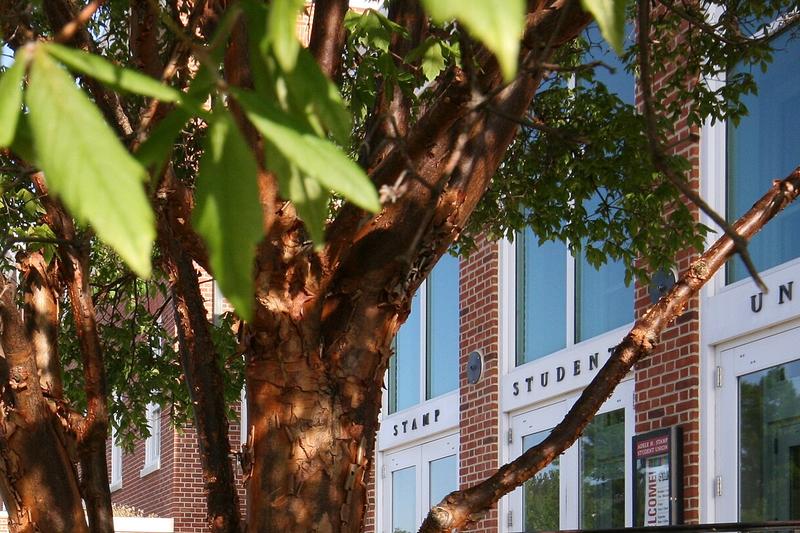
Quick facts
- Watering
- Weekly when young, minimal once established
- Sunlight
- Full sun to partial shade
- Soil
- Moist, well-drained, slightly acidic
- Humans
- Safe
- Cats
- Safe
- Dogs
- Safe
- Height
- 600–900 cm
- Spread
- 400–600 cm
- Spacing
- 500–700 cm apart
- RHS recognition
- Award of Garden Merit
About Paperbark Maple
Paperbark Maple is a small to medium-sized deciduous tree native to central China, celebrated for its spectacular cinnamon-coloured bark that peels away in thin, papery sheets year-round. UK gardeners prize this elegant maple for its outstanding winter interest, trifoliate leaves that turn brilliant orange and red in autumn, and compact size that suits smaller gardens. It thrives in British conditions, offering four-season appeal with minimal maintenance once established.
UK fact: Paperbark Maple received the RHS Award of Garden Merit in 1936 and has remained a favourite in British gardens ever since, particularly valued for providing winter interest in the typically grey UK landscape when its peeling bark becomes the garden's focal point.
Watering Paperbark Maple
Young trees require regular watering during their first two to three years, particularly during dry spells from April to September. Water deeply once or twice weekly during establishment, ensuring the root zone remains moist but never waterlogged. Once established, Paperbark Maples are reasonably drought-tolerant and typically only need supplementary watering during prolonged dry periods in summer. Mulching around the base helps retain moisture and keeps roots cool during the UK's increasingly warm summers.
Sunlight requirements
Paperbark Maple performs best in full sun or light dappled shade, which encourages the most vibrant autumn colour and healthy bark development. In the UK, a position with morning sun and afternoon shade is ideal, particularly in southern regions where it benefits from protection during hot summer afternoons. Avoid deep shade, which can lead to poor autumn colour and a more open growth habit.
Soil and feeding
Paperbark Maple thrives in fertile, moisture-retentive soil that drains well, with a slightly acidic to neutral pH of 5.5 to 7.0. It performs particularly well in loamy soils enriched with organic matter, which are common across much of the UK. Avoid heavy clay that becomes waterlogged in winter, as this can lead to root rot, and very alkaline soils, which may cause chlorosis. If your soil is heavy, improve drainage by incorporating grit and well-rotted compost before planting.
Apply a balanced slow-release fertiliser such as blood, fish and bone in early spring around the tree's drip line. Established trees rarely need additional feeding if growing in reasonably fertile soil, though a mulch of well-rotted compost or leaf mould each autumn provides gentle nutrition and improves soil structure. Avoid high-nitrogen feeds, which can promote soft growth at the expense of autumn colour and bark quality.
Pruning Paperbark Maple
Paperbark Maple requires minimal pruning and is best left to develop its natural form. Remove any dead, damaged, or crossing branches in late summer to early autumn (July to September) when the tree is in full leaf, as maples can bleed sap profusely if pruned in late winter or spring. Never prune between November and March to avoid sap bleeding. Avoid heavy pruning, as this can spoil the tree's elegant structure and reduce the display of ornamental bark on older branches.
Propagating Paperbark Maple
Paperbark Maple can be propagated from seed, though germination rates are often low and seedlings can take several years to develop the characteristic peeling bark. Collect fresh seeds in autumn, remove the wings, and stratify in moist sand in the refrigerator for three months before sowing in spring. Alternatively, semi-ripe cuttings can be taken in mid to late summer, though success rates are variable. Grafting onto Acer palmatum rootstock is the most reliable method for maintaining true characteristics but requires specialist skills.
Common problems
Paperbark Maple is generally pest and disease-free in the UK, making it a low-maintenance choice for gardeners. Occasionally, aphids may appear on young growth in spring, though these rarely cause lasting damage and can be controlled with a strong jet of water or organic insecticidal soap. Verticillium wilt can affect maples, causing branch dieback, though Acer griseum shows good resistance. Coral spot fungus may appear on dead wood, so promptly remove any dead branches and dispose of them away from the garden. Young trees may suffer bark damage from deer or rabbits, so protect with guards if necessary.
Spot a problem with your plant? Photograph the affected area using the Loam app and it will suggest the most likely cause and treatment.
Safety
- Humans
- Safe
- Cats
- Safe
- Dogs
- Safe
Toxicity information is for general guidance only.
Seasonal care calendar
Monthly care guide for Paperbark Maple in the UK, based on average conditions.
| Month | Care tasks |
|---|---|
| January | Admire the peeling bark, which is at its most striking in winter. Avoid pruning. |
| February | Check tree stakes and ties, adjusting if necessary. Continue to avoid pruning. |
| March | Apply blood, fish and bone fertiliser around the drip line. Mulch with compost. |
| April | Watch for new leaf emergence. Begin regular watering of young trees if dry. |
| May | Monitor for aphids on new growth. Water young trees weekly during dry spells. |
| June | Continue watering young trees. Enjoy the fresh trifoliate foliage. |
| July | Prune out any dead or damaged wood if necessary. Water during dry periods. |
| August | Continue light pruning if needed. Maintain watering for young specimens. |
| September | Watch for the first signs of autumn colour developing. Reduce watering. |
| October | Enjoy the spectacular orange and red autumn foliage display. |
| November | Collect fallen leaves for composting. Refresh mulch layer around the base. |
| December | Appreciate the ornamental bark as the tree enters dormancy. No action needed. |
Frequently asked questions
- When does Paperbark Maple bark start peeling?
- The characteristic peeling bark typically begins to develop when the tree is around 5 to 7 years old, becoming more pronounced as the tree matures. Young trees have smooth bark initially, so patience is required, but the wait is worthwhile as the cinnamon-coloured exfoliating bark becomes increasingly spectacular with age.
- Why are my Paperbark Maple's leaves turning yellow in summer?
- Summer yellowing often indicates chlorosis caused by alkaline soil or waterlogging, both of which prevent the tree from absorbing nutrients properly. The Loam app can help you diagnose the specific cause through photos and provide personalised soil amendment recommendations based on your garden's conditions.
- How fast does Paperbark Maple grow in the UK?
- Paperbark Maple is a slow-growing tree, typically adding 15 to 30 cm per year in UK conditions. This slow growth rate contributes to its dense wood and beautiful bark, making it ideal for smaller gardens where a compact, manageable tree is desired. Expect it to reach 4 to 5 metres in 10 to 15 years.
Got a question about growing Paperbark Maple that isn't covered here? Ask the Garden Advisor in the Loam app. It knows your saved plants and local conditions.
Related plants
This page was compiled with AI assistance and reviewed by our team. .