Japanese Maple
Acer palmatum
Trees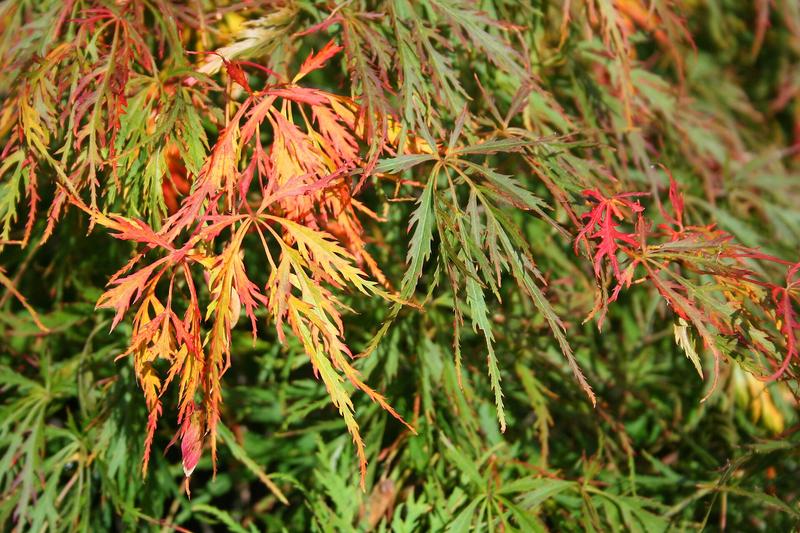
Quick facts
- Watering
- Weekly during growing season
- Sunlight
- Partial shade
- Soil
- Moist, well-drained, slightly acidic
- Humans
- Safe
- Cats
- Safe
- Dogs
- Safe
- Height
- 400–800 cm
- Spread
- 400–800 cm
- Spacing
- 500–800 cm apart
- RHS recognition
- Award of Garden Merit
About Japanese Maple
Japanese Maple is a graceful deciduous tree prized for its delicate, palmate leaves and stunning autumn colour, ranging from fiery reds to golden yellows. Native to Japan, Korea and China, it has become a cornerstone of British ornamental gardening since its introduction in the 1820s. UK gardeners cherish it for its compact size, architectural form and ability to thrive in sheltered gardens, making it ideal for small urban spaces and Japanese-inspired designs. With hundreds of cultivars available, from weeping forms to dissected-leaf varieties, there's a Japanese Maple to suit almost every British garden.
UK fact: Many Japanese Maple cultivars hold the RHS Award of Garden Merit, and the species thrives particularly well in the mild, moist climate of western Britain and sheltered London gardens, where specimens over 150 years old can still be found in historic estates.
Watering Japanese Maple
Japanese Maples require regular watering, especially during their first three years and throughout dry British summers. Water deeply once or twice weekly rather than little and often, ensuring moisture reaches the root zone. Container-grown specimens need particular attention and may require daily watering during hot spells. Mulch around the base to retain moisture, but avoid waterlogging which can lead to root rot in heavy clay soils common across much of the UK.
Sunlight requirements
In the UK, position Japanese Maples in partial shade or where they receive morning sun and afternoon shade, particularly important for red-leaved cultivars which can bleach in intense light. East-facing aspects work beautifully in British gardens, protecting foliage from harsh afternoon sun whilst providing adequate light for good colour development. In Scotland and northern England, they tolerate more sun, but shelter from cold winds remains essential.
Soil and feeding
Plant in rich, humus-rich soil that retains moisture without becoming waterlogged – ideal for many British gardens with naturally acidic conditions. They struggle in shallow chalk soils and heavy, compacted clay unless improved with generous organic matter and grit. A pH of 5.5-6.5 is optimal, though they tolerate neutral conditions. For container cultivation, use ericaceous or soil-based compost (John Innes No. 2 or 3) mixed with extra organic matter to ensure adequate drainage and nutrition.
Apply a balanced slow-release fertiliser such as blood, fish and bone in March or early April as growth begins. Alternatively, mulch with well-rotted compost or leaf mould annually to provide gentle, sustained nutrition. Avoid high-nitrogen feeds which encourage lush growth susceptible to late spring frosts common in the UK, and don't feed after July to allow wood to harden before winter.
Pruning Japanese Maple
Japanese Maples require little pruning and are best left to develop their natural form. If necessary, prune between July and September when the tree is in full leaf and sap flow is minimal, reducing the risk of bleeding. Remove any dead, diseased or crossing branches, and thin overcrowded growth to maintain an open structure. Never prune in late winter or spring when sap rises vigorously, as wounds will bleed profusely and weaken the tree.
Propagating Japanese Maple
Species Japanese Maples grow readily from seed collected in autumn and sown fresh or stratified over winter, though seedlings are variable. Softwood cuttings taken in June or July root with bottom heat and mist, though success rates vary. Most cultivars are commercially grafted onto seedling rootstocks in late winter, a technique requiring skill and experience. Simple layering in spring offers the most reliable method for home gardeners to propagate specific cultivars, though rooting takes 12-18 months.
Common problems
Japanese Maples can suffer from Verticillium wilt, a soil-borne fungal disease causing branch dieback, particularly in stressed trees – there is no cure, so remove affected branches and improve growing conditions. Aphids may colonise new growth in spring, causing leaf distortion, whilst horse chestnut scale has become increasingly problematic on UK specimens since 2007. Leaf scorch from wind exposure, late frosts or drought is common in British gardens, appearing as brown, crispy leaf margins, and is best prevented through careful siting and consistent watering rather than treated after the fact.
Spot a problem with your plant? Photograph the affected area using the Loam app and it will suggest the most likely cause and treatment.
Safety
- Humans
- Safe
- Cats
- Safe
- Dogs
- Safe
Toxicity information is for general guidance only.
Seasonal care calendar
Monthly care guide for Japanese Maple in the UK, based on average conditions.
| Month | Care tasks |
|---|---|
| January | No action needed; tree is fully dormant. Avoid walking on frozen ground around roots. |
| February | Check stakes and ties on young trees after winter gales. Avoid any pruning as sap will soon rise. |
| March | Apply slow-release fertiliser or mulch with well-rotted compost as buds begin to swell. Watch for aphids on emerging shoots. |
| April | Protect emerging foliage from late frosts with fleece if cold nights forecast. Begin regular watering if conditions are dry. |
| May | Water weekly during dry spells, especially container specimens. Monitor for aphids and treat if necessary with organic sprays. |
| June | Continue regular watering. Take softwood cuttings early in the month. Check for signs of leaf scorch in hot, dry weather. |
| July | Prune if absolutely necessary, removing dead or damaged wood. Maintain consistent watering, especially for young trees and containers. |
| August | Continue watering during dry periods. Complete any pruning by month end. Enjoy the summer foliage at its peak. |
| September | Reduce watering as growth slows. Early autumn colour begins to develop, particularly in cooler regions. |
| October | Enjoy spectacular autumn colour display. Collect seed if propagating. Begin autumn planting of new specimens. |
| November | Finish planting bare-root or container specimens. Apply autumn mulch after leaf fall. Clear fallen leaves from around the base. |
| December | No action needed; tree entering dormancy. Admire winter branch structure, especially attractive in weeping cultivars. |
Frequently asked questions
- When should I prune my Japanese Maple?
- Prune Japanese Maples during dormancy from November to January, avoiding periods of hard frost. Remove dead, damaged or crossing branches, and thin overcrowded growth to maintain an open structure. Never prune in spring when sap is rising, as this causes excessive bleeding. Summer pruning (July-August) is acceptable for minor shaping once leaves have fully expanded. Always use clean, sharp tools and make cuts just above a bud or branch junction.
- Why are the leaves on my Japanese Maple turning brown at the edges?
- Leaf scorch from wind exposure, drought or intense sun is the most common cause in UK gardens. Ensure consistent watering, improve shelter from prevailing winds, and consider relocating if in full afternoon sun. Cold damage from late spring frosts can also cause browning. The Loam app can help diagnose leaf problems through photo identification and provide personalised watering reminders based on your local weather conditions.
- What type of soil does a Japanese Maple need?
- Japanese Maples thrive in moist, well-drained, slightly acidic soil (pH 5.5-6.5) rich in organic matter. They struggle in heavy clay, chalk or waterlogged conditions. Improve drainage by adding grit and organic matter, or grow in raised beds. For containers, use ericaceous (lime-free) compost. Mulch annually with leaf mould or composted bark to retain moisture and maintain acidity. Avoid planting near lime-mortared walls which can leach alkalinity into the soil.
Got a question about growing Japanese Maple that isn't covered here? Ask the Garden Advisor in the Loam app. It knows your saved plants and local conditions.
Related plants
This page was compiled with AI assistance and reviewed by our team. .