Field Maple
Acer campestre
Trees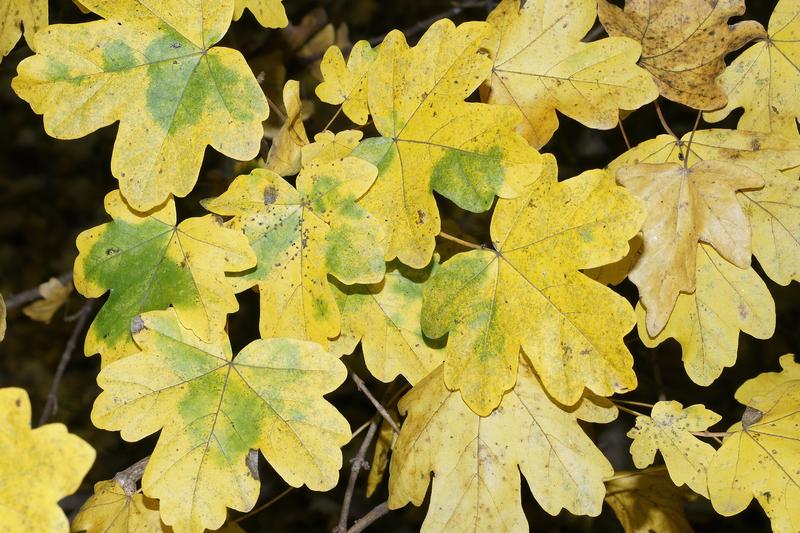
Quick facts
- Watering
- Weekly when young, minimal once established
- Sunlight
- Full sun to partial shade
- Soil
- Well-drained, alkaline to neutral
- Humans
- Safe
- Cats
- Safe
- Dogs
- Safe
- Height
- 800–1500 cm
- Spread
- 600–1000 cm
- Spacing
- 800–1200 cm apart
About Field Maple
Field Maple is Britain's only native maple, a charming deciduous tree with distinctive lobed leaves that turn golden-yellow in autumn. Growing wild in hedgerows and woodlands across England and Wales, it has been a feature of the British landscape for thousands of years. UK gardeners value it as a robust, medium-sized tree perfect for smaller gardens, wildlife-friendly planting schemes, and traditional hedging. Its compact habit and tolerance of exposed sites make it ideal for British conditions.
UK fact: Field Maple is one of the few trees that can be successfully grown as a traditional laid hedge, a practice that has shaped the British countryside for centuries and is still maintained by skilled hedgelayers today.
Watering Field Maple
Water young trees weekly during their first two growing seasons, particularly during dry spells between April and September. Once established, Field Maple is remarkably drought-tolerant and rarely requires watering in typical UK conditions. During prolonged summer droughts, a deep soak every fortnight will help maintain vigour. Trees in containers need regular watering throughout the growing season.
Sunlight requirements
Field Maple thrives in full sun but tolerates partial shade, making it versatile for various garden positions. In shadier spots it may develop a more open habit with less intense autumn colour. Avoid deep shade beneath larger trees where it will struggle to establish, though it performs well on north-facing aspects once mature.
Soil and feeding
Field Maple naturally grows on chalky and limestone soils and performs best in well-drained, alkaline to neutral conditions (pH 6.5-8.0). It tolerates heavy clay if not waterlogged and adapts to most garden soils except very acidic or permanently wet ground. Improve drainage on heavy soils by incorporating grit or planting on a slight mound. It thrives on the thin soils over chalk that challenge many other trees.
Field Maple requires minimal feeding once established. Apply a general-purpose tree and shrub fertiliser in early spring for the first three years to encourage strong growth. Mature trees rarely need supplementary feeding in garden conditions, though a mulch of well-rotted compost or leaf mould in autumn will benefit soil structure and provide gentle nutrition.
Pruning Field Maple
Prune Field Maple between late July and early September when the sap is less active to avoid bleeding. Remove dead, diseased, or crossing branches to maintain an open structure. Young trees benefit from formative pruning to establish a clear leader and well-spaced framework. For hedging, trim in late summer after the main flush of growth. Avoid heavy pruning in winter and spring when wounds will weep sap profusely.
Propagating Field Maple
Field Maple is easily propagated from seed collected in autumn when the winged samaras turn brown. Sow fresh seed in pots outdoors immediately or stratify for 90-120 days before spring sowing. Germination occurs the following spring, though some seeds may take two years. Semi-ripe cuttings taken in July or August can be rooted with bottom heat and hormone rooting powder, though success rates are variable. Layering low branches in autumn is reliable for producing a few new plants.
Common problems
Field Maple is generally trouble-free but can be affected by aphids in spring, which cause sticky honeydew and sooty mould on leaves beneath. Tar spot fungus (Rhytisma acerinum) produces distinctive black spots on leaves but rarely causes serious harm. Horse chestnut scale has recently been found on Field Maple in some areas of the UK. Honey fungus can occasionally affect trees, particularly those under stress. Young trees may suffer bark damage from deer, rabbits, and grey squirrels, so protection is advisable in rural areas.
Spot a problem with your plant? Photograph the affected area using the Loam app and it will suggest the most likely cause and treatment.
Safety
- Humans
- Safe
- Cats
- Safe
- Dogs
- Safe
Toxicity information is for general guidance only.
Seasonal care calendar
Monthly care guide for Field Maple in the UK, based on average conditions.
| Month | Care tasks |
|---|---|
| January | No action needed; tree fully dormant. |
| February | Check stakes and ties on young trees after winter winds. |
| March | Apply general fertiliser to young trees; avoid pruning as sap rises. |
| April | Watch for aphid infestations on new growth; water young trees if dry. |
| May | Enjoy the small greenish-yellow flowers; continue watering young specimens. |
| June | Monitor soil moisture during dry spells; check for pest damage. |
| July | Prune if necessary from late July onwards; take semi-ripe cuttings. |
| August | Continue pruning window; trim hedges; water containerised trees regularly. |
| September | Complete any pruning by mid-month; collect seed as samaras ripen. |
| October | Enjoy golden autumn foliage; sow fresh seed; apply mulch around base. |
| November | Plant bare-root specimens; protect young trees from deer and rabbits. |
| December | Continue planting bare-root trees in mild spells; no other action needed. |
Frequently asked questions
- When should I prune a Field Maple tree?
- Prune Field Maple between late July and early September when sap flow is reduced. Avoid winter and spring pruning as the tree will bleed sap profusely from wounds, which weakens the tree and creates an unsightly mess. Summer pruning allows cuts to heal quickly with minimal sap loss.
- Why are the leaves on my Field Maple turning yellow in summer?
- Summer yellowing can indicate waterlogging, drought stress, or nutrient deficiency. The Loam app can help you diagnose the specific cause by tracking your watering schedule, local rainfall, and soil conditions, then provide personalised care adjustments to restore your tree's health.
- How tall does a Field Maple grow in a garden setting?
- In garden conditions, Field Maple typically reaches 8-12 metres tall with a spread of 6-10 metres over 20-30 years. It grows more slowly and compactly than many other trees, making it suitable for medium-sized gardens. Regular pruning or growing as a hedge can keep it much smaller if space is limited.
Got a question about growing Field Maple that isn't covered here? Ask the Garden Advisor in the Loam app. It knows your saved plants and local conditions.
Related plants
This page was compiled with AI assistance and reviewed by our team. .