White Currant
Ribes rubrum
Fruit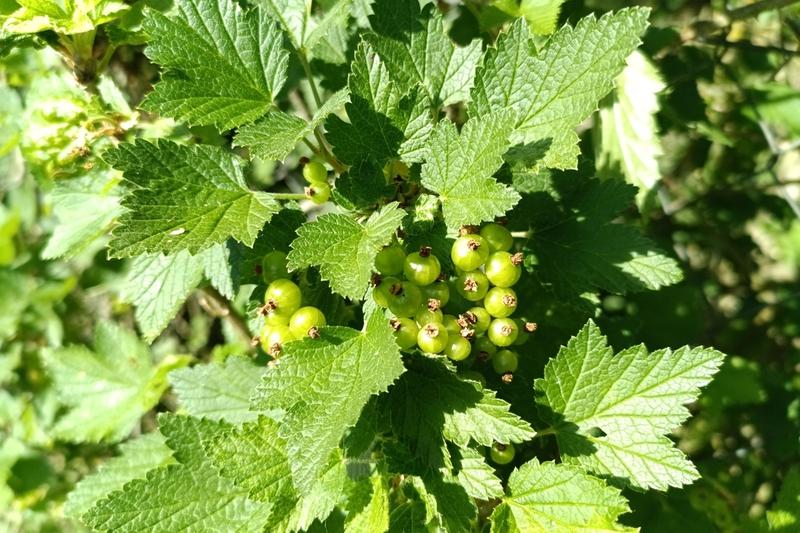
Quick facts
- Watering
- Weekly during fruiting
- Sunlight
- Full sun to partial shade
- Soil
- Moisture-retentive, well-drained, fertile loam
- Humans
- Safe
- Cats
- Safe
- Dogs
- Safe
- Height
- 120–150 cm
- Spread
- 100–120 cm
- Spacing
- 120–150 cm apart
About White Currant
White currant is a deciduous fruiting shrub producing translucent, pale yellow to white berries in elegant drooping clusters during summer. A colour variant of the red currant, it originates from western Europe and has been cultivated in British gardens since the 16th century. UK gardeners prize white currants for their sweeter, less acidic flavour compared to red varieties, making them ideal for fresh eating, desserts, and preserves. The attractive berries and compact growth habit also make this an ornamental addition to the fruit garden or allotment.
UK fact: White currants were particularly fashionable in Victorian walled gardens, where they were trained as cordons against north-facing walls to extend the fruiting season and produce the finest quality berries for the dining table.
Watering White Currant
Water regularly throughout the growing season, especially during fruit set and ripening from late spring through summer. White currants have shallow root systems and suffer quickly in drought, leading to premature fruit drop and reduced yields. In typical UK conditions, weekly watering is sufficient, but increase frequency during dry periods to twice weekly. Mulching helps retain moisture and reduces watering needs once plants are established.
Sunlight requirements
Plant in full sun for the heaviest crops and sweetest berries, though white currants are more shade-tolerant than many soft fruits. In the UK, a position receiving at least 4-6 hours of sunlight is ideal, with some afternoon shade beneficial in southern regions during hot summers. North-facing walls are traditional sites, as the cooler conditions slow ripening and extend the harvest period.
Soil and feeding
Grow in fertile, moisture-retentive soil enriched with plenty of organic matter such as well-rotted manure or garden compost. Good drainage is essential to prevent waterlogging, which can cause root rot, but the soil must retain moisture during the growing season. White currants prefer a pH between 6.0 and 6.5, slightly more acidic than neutral. Heavy clay soils benefit from the addition of grit and organic matter to improve structure, whilst sandy soils require generous mulching to retain moisture.
Feed in late February or early March with a general-purpose fertiliser such as blood, fish and bone or Growmore at 70g per square metre. Apply a 5-8cm mulch of well-rotted manure or garden compost around the base in spring to suppress weeds, retain moisture, and provide slow-release nutrients. Avoid high-nitrogen feeds after spring, as these promote leafy growth at the expense of fruit.
Pruning White Currant
Prune white currants in winter when dormant, between November and February. Remove any dead, diseased, or crossing branches, then cut back about one-third of the oldest stems to ground level to stimulate new growth. White currants fruit on wood that is two or three years old, so maintain a balance of young and mature stems. For cordons or trained forms, summer-prune sideshoots in July to five leaves to concentrate energy into fruit production and maintain shape.
Propagating White Currant
White currants are most reliably propagated from hardwood cuttings taken in October or November. Select healthy, pencil-thick stems from the current season's growth and cut into 20-30cm lengths. Insert cuttings into a trench in well-prepared soil outdoors, leaving just two buds above ground. Cuttings root over winter and can be transplanted to their final positions the following autumn.
Common problems
White currants are susceptible to aphids, particularly currant blister aphid, which causes red blistering on leaves in spring; control by squashing colonies or using organic sprays. Birds, especially blackbirds and thrushes, will strip ripe fruit, so netting is essential from late June onwards. Powdery mildew can affect plants in dry conditions, appearing as white powder on leaves; improve air circulation through pruning and ensure adequate watering. Leaf spot diseases may cause premature defoliation but rarely affect fruit quality significantly.
Spot a problem with your plant? Photograph the affected area using the Loam app and it will suggest the most likely cause and treatment.
Safety
- Humans
- Safe
- Cats
- Safe
- Dogs
- Safe
Toxicity information is for general guidance only.
Seasonal care calendar
Monthly care guide for White Currant in the UK, based on average conditions.
| Month | Care tasks |
|---|---|
| January | Prune established bushes during dormancy, removing old wood and maintaining an open framework. Check stakes and ties on trained forms. |
| February | Complete winter pruning by mid-month. Apply blood, fish and bone or general fertiliser around the base at 70g per square metre. |
| March | Apply a 5-8cm mulch of well-rotted manure or compost. Watch for aphid colonies on emerging leaves and treat promptly if seen. |
| April | Flowers appear; ensure adequate watering if conditions are dry to support fruit set. Continue monitoring for aphids and other pests. |
| May | Water regularly as fruits begin to develop. Weed around plants and top up mulch if necessary. Watch for sawfly larvae on leaves. |
| June | Fruits begin to ripen from late June. Erect netting to protect from birds. Water weekly in dry weather to prevent fruit drop. |
| July | Harvest ripe berries by picking whole strigs. Summer-prune cordons and trained forms, cutting sideshoots back to five leaves. Continue watering. |
| August | Complete harvesting. Water if weather is dry. Remove netting once fruiting is finished. Clear any fallen fruit and debris. |
| September | Reduce watering as growth slows. Weed around plants and check for signs of disease. Plan any new plantings for autumn. |
| October | Plant new bushes or transplant rooted cuttings. Take hardwood cuttings for propagation. Clear fallen leaves to reduce disease carryover. |
| November | Continue taking hardwood cuttings until mid-month. Begin winter pruning if weather permits. Apply autumn mulch if not done earlier. |
| December | Prune established plants during dormancy. Check for wind damage and firm any loosened plants. Plan crop rotation for the coming year. |
Frequently asked questions
- When should I prune white currants in the UK?
- Prune white currants in late winter (February) whilst they're dormant, or immediately after fruiting in summer. Remove dead, damaged, or crossing branches, and cut back sideshoots to 2-3 buds to encourage fruiting spurs. Aim to create an open goblet shape with 8-12 main branches on established bushes. Annual pruning maintains productivity and air circulation, reducing disease risk.
- Why is my white currant bush not fruiting well?
- Poor fruiting can result from several issues: inadequate sunlight (they need at least 6 hours daily), lack of pruning leading to congested growth, insufficient watering during fruit development, or late spring frosts damaging blossom. Birds may also be taking fruit before you notice. The Loam app can help diagnose specific problems by analysing your plant's conditions and sending timely care reminders for watering and seasonal tasks.
- What soil conditions do white currants prefer?
- White currants thrive in moisture-retentive but well-drained soil with a pH between 6.0 and 6.5 (slightly acidic). They tolerate heavier clay soils better than many fruit bushes, provided drainage is adequate. Enrich the planting area with well-rotted compost or manure, and apply a potassium-rich fertiliser each spring. Mulch annually with organic matter to retain moisture and suppress weeds, keeping mulch clear of the stem.
Got a question about growing White Currant that isn't covered here? Ask the Garden Advisor in the Loam app. It knows your saved plants and local conditions.
Related plants
This page was compiled with AI assistance and reviewed by our team. .