Tuberous Begonia
Begonia tuberhybrida
Bulbs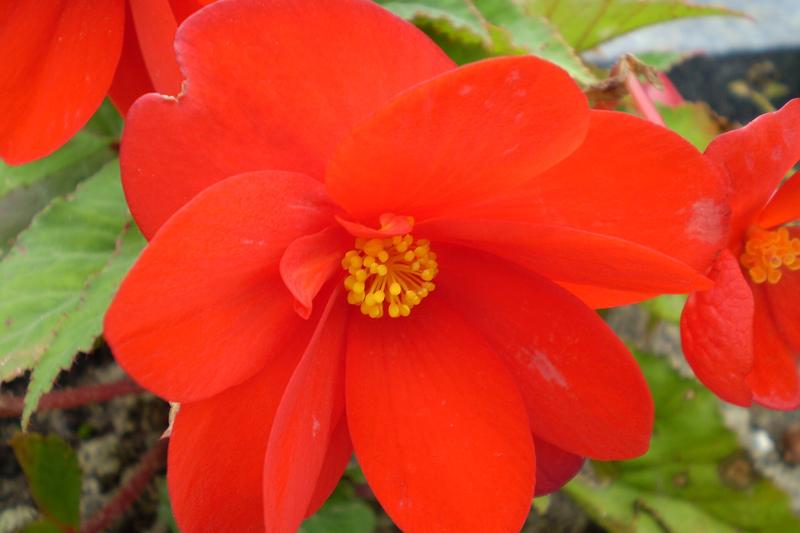
Quick facts
- Watering
- Two to three times weekly
- Sunlight
- Partial shade
- Soil
- Rich, well-drained, moisture-retentive
- Humans
- Toxic
- Cats
- Toxic
- Dogs
- Toxic
- Height
- 20–45 cm
- Spread
- 30–45 cm
- Spacing
- 30–40 cm apart
- RHS recognition
- Award of Garden Merit
About Tuberous Begonia
Tuberous Begonias are spectacular summer-flowering plants prized for their large, showy blooms in vibrant shades of red, orange, yellow, pink, and white. Originating from South American species, these hybrids were extensively developed in Victorian Britain and remain beloved for their ability to brighten shaded patios and borders. UK gardeners value them for their long flowering season from June to October and their tolerance of our cooler summers. The flowers can be single, double, or ruffled, with some varieties resembling roses or camellias.
UK fact: Tuberous Begonias were immensely popular in Victorian Britain, where they were grown in elaborate bedding schemes at grand estates and public parks, with British hybridisers creating many of the large-flowered varieties still grown today.
Watering Tuberous Begonia
Keep the compost consistently moist but never waterlogged, as tubers are prone to rot. Water at the base of the plant rather than overhead to prevent powdery mildew on the foliage and flowers. During hot spells, container-grown plants may need daily watering, whilst those in the ground require less frequent attention. Reduce watering in September as plants prepare for dormancy, stopping completely once foliage yellows.
Sunlight requirements
Tuberous Begonias perform best in dappled shade or morning sun with afternoon protection, making them ideal for north or east-facing patios. In the UK, they tolerate more sun in northern regions but require shade from midday heat in the south. Avoid deep shade, which reduces flowering, and full sun, which can scorch the leaves and fade the blooms.
Soil and feeding
Tuberous Begonias thrive in fertile, humus-rich soil or compost with excellent drainage to prevent tuber rot. Use a peat-free multipurpose compost mixed with perlite or grit for containers, or enrich garden soil with well-rotted organic matter. They prefer slightly acidic to neutral conditions (pH 5.5-7.0). In heavy clay soils, grow in raised beds or containers to ensure adequate drainage.
Feed weekly with a high-potash liquid fertiliser (such as tomato feed) from June through August to encourage prolific flowering. Switch to a balanced feed in early September to help tubers mature before lifting. Avoid high-nitrogen feeds, which promote leafy growth at the expense of flowers.
Pruning Tuberous Begonia
Deadhead spent flowers regularly to maintain a tidy appearance and encourage continuous blooming throughout summer. Remove any yellowing or damaged leaves to improve air circulation and reduce disease risk. Pinch out the growing tips of young plants in May to encourage bushier growth. In autumn, allow foliage to die back naturally before lifting tubers for winter storage.
Propagating Tuberous Begonia
Start tubers indoors in March or early April by placing them hollow-side up in trays of moist compost, covering lightly and keeping at 18-21°C. Once shoots appear and frost risk has passed (late May), harden off and plant outdoors. Alternatively, take basal cuttings in spring from sprouting tubers, rooting them in a propagator. Tubers can also be divided in spring, ensuring each section has at least one growing point.
Common problems
Powdery mildew is common in humid conditions, particularly on plants grown too close together or watered overhead; improve air circulation and water at the base. Vine weevil larvae can devastate tubers in containers, so use biological controls or check compost regularly. Grey mould (botrytis) affects flowers and stems in damp weather; remove affected parts promptly. Slugs and snails target young growth in spring, requiring protection with organic pellets or barriers.
Spot a problem with your plant? Photograph the affected area using the Loam app and it will suggest the most likely cause and treatment.
Safety
- Humans
-
Toxic
All parts contain oxalic acid and can cause mouth irritation, nausea, and vomiting if ingested.
- Cats
-
Toxic
Contains oxalates that cause oral irritation, drooling, vomiting, and difficulty swallowing if eaten.
- Dogs
-
Toxic
Contains oxalates causing oral irritation, excessive drooling, vomiting, and difficulty swallowing if consumed.
Toxicity information is for general guidance only. If a person or pet has been exposed to this plant and you are concerned, seek advice from a medical professional or vet.
Seasonal care calendar
Monthly care guide for Tuberous Begonia in the UK, based on average conditions.
| Month | Care tasks |
|---|---|
| January | Check stored tubers monthly for rot or shrivelling; discard any affected ones. |
| February | Continue monitoring stored tubers; prepare compost and trays for starting tubers next month. |
| March | Start tubers indoors in trays of moist compost, hollow-side up, in a warm location. |
| April | Pot on sprouted tubers into individual containers; keep in a frost-free greenhouse or conservatory. |
| May | Harden off plants gradually; plant outdoors after last frost, typically late in the month. |
| June | Water regularly and begin weekly feeding; deadhead spent blooms to encourage more flowers. |
| July | Continue watering, feeding, and deadheading; stake tall varieties if needed for support. |
| August | Maintain watering and feeding regime; watch for powdery mildew and treat promptly if needed. |
| September | Reduce watering and switch to balanced feed; continue deadheading until first frost threatens. |
| October | Lift tubers after first frost blackens foliage; clean, dry, and store in frost-free conditions. |
| November | Ensure stored tubers are in a cool, dry, frost-free location; check for signs of rot. |
| December | Check stored tubers monthly; maintain frost-free storage conditions throughout winter. |
Frequently asked questions
- When should I plant tuberous begonia tubers in the UK?
- Start tubers indoors in March or early April in trays of moist compost, keeping them at 18-21°C. Once sprouted and all frost risk has passed (typically late May in most of the UK), harden them off gradually over 7-10 days before planting outdoors in their final positions.
- Why are my tuberous begonia leaves turning yellow and dropping?
- Yellowing leaves can indicate overwatering, underwatering, or natural autumn dormancy. The Loam app can help you track watering schedules and diagnose whether environmental conditions or seasonal changes are affecting your plant, with personalised care reminders based on your local weather.
- How do I store tuberous begonia tubers over winter?
- After the first frost blackens the foliage in October, lift tubers carefully and remove dead stems and soil. Allow them to dry for a week, then store in barely-moist peat-free compost or vermiculite in a cool (5-10°C), dark, frost-free location such as a garage or shed, checking monthly for rot.
Got a question about growing Tuberous Begonia that isn't covered here? Ask the Garden Advisor in the Loam app. It knows your saved plants and local conditions.
Related plants
This page was compiled with AI assistance and reviewed by our team. .