Triteleia
Triteleia laxa
Bulbs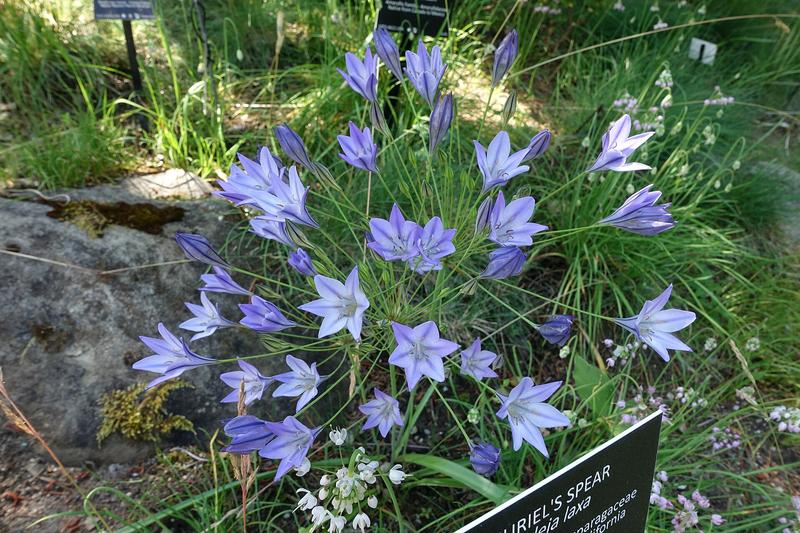
Quick facts
- Watering
- Minimal once established
- Sunlight
- Full sun
- Soil
- Well-drained, sandy or gritty
- Humans
- Unknown
- Cats
- Unknown
- Dogs
- Unknown
- Height
- 30–50 cm
- Spread
- 5–10 cm
- Spacing
- 8–10 cm apart
- RHS recognition
- Award of Garden Merit
About Triteleia
Triteleia is a graceful bulbous perennial native to western North America, producing elegant clusters of star-shaped, violet-blue flowers on slender stems in late spring and early summer. Growing 30–50 cm tall, these charming bulbs are valued by UK gardeners for their delicate appearance, low maintenance requirements, and ability to naturalise in sunny borders and gravel gardens. The grass-like foliage emerges in spring and dies back after flowering, making triteleia an excellent companion for later-flowering perennials that will fill the gap. Their drought tolerance once established makes them particularly suited to free-draining soils and contemporary planting schemes.
UK fact: Triteleia laxa has been awarded the RHS Award of Garden Merit, recognising its reliable performance in British gardens despite originating from the drier climate of California and Oregon.
Watering Triteleia
Water moderately during the growing season from spring until flowering finishes, ensuring the soil doesn't dry out completely while foliage is active. Once the leaves begin to yellow and die back after flowering, reduce watering significantly as the bulbs enter dormancy and prefer dry conditions through summer and autumn. In typical UK summers, established bulbs rarely need supplementary watering after June, though newly planted bulbs benefit from occasional watering in their first spring. Avoid waterlogging at all times, as excessive moisture during dormancy can cause bulb rot.
Sunlight requirements
Triteleia thrives in full sun, requiring at least six hours of direct sunlight daily to flower well. In the UK, choose a south or west-facing position that receives maximum light, particularly important in northern regions where light levels are lower. Avoid shaded positions, as insufficient light will result in weak stems and poor flowering.
Soil and feeding
Triteleia requires excellent drainage and thrives in light, sandy, or gritty soils that don't retain excessive moisture. Heavy clay soils should be improved with horticultural grit and organic matter, or grow bulbs in raised beds to prevent waterlogging. A neutral to slightly acidic pH of 6.0–7.0 is ideal, though triteleia tolerates a range of soil types provided drainage is sharp. Adding a layer of grit beneath bulbs at planting time helps prevent rot in wetter UK climates.
Apply a balanced liquid fertiliser or sprinkle slow-release granular feed around emerging shoots in early spring to support flower development. Avoid high-nitrogen feeds which promote foliage at the expense of blooms. Once flowering finishes, allow foliage to die back naturally without feeding, as the bulbs are entering dormancy.
Pruning Triteleia
Deadhead spent flower stems after blooming to maintain a tidy appearance and prevent energy being diverted to seed production. Allow the foliage to die back naturally, resisting the temptation to cut or tie it up, as the leaves are essential for replenishing the bulb's energy reserves for next year's display. Only remove foliage once it has turned completely yellow and pulls away easily, typically by mid to late summer. No other pruning is required.
Propagating Triteleia
Triteleia can be propagated by dividing established clumps in autumn when dormant, carefully separating offset bulbs and replanting immediately at the same depth. Alternatively, sow fresh seed in autumn in pots of gritty compost, keeping them in a cold frame over winter; seedlings will take 3–4 years to reach flowering size. Division is the quickest method for UK gardeners, as triteleia bulbs multiply naturally and clumps become congested after several years. Lift and divide every 4–5 years to maintain vigour and flowering performance.
Common problems
Triteleia is generally trouble-free in UK gardens, with few serious pest or disease issues. The main problem is bulb rot caused by poor drainage or excessive summer moisture, so ensuring sharp drainage is critical. Slugs and snails may occasionally damage emerging shoots in spring, particularly in damp conditions; use organic controls or barriers if damage is severe. Failure to flower is usually due to insufficient sunlight, overcrowding, or premature removal of foliage in previous seasons.
Spot a problem with your plant? Photograph the affected area using the Loam app and it will suggest the most likely cause and treatment.
Safety
- Humans
-
Unknown
No confirmed toxicity data available for Triteleia laxa; treat with caution and avoid ingestion.
- Cats
-
Unknown
No confirmed toxicity data available; keep pets from chewing bulbs or foliage as a precaution.
- Dogs
-
Unknown
No confirmed toxicity data available; keep pets from chewing bulbs or foliage as a precaution.
Toxicity information is for general guidance only. If a person or pet has been exposed to this plant and you are concerned, seek advice from a medical professional or vet.
Seasonal care calendar
Monthly care guide for Triteleia in the UK, based on average conditions.
| Month | Care tasks |
|---|---|
| January | No action needed; bulbs are dormant underground. |
| February | No action needed; bulbs remain dormant. |
| March | Watch for grass-like foliage emerging. Apply balanced fertiliser around shoots. |
| April | Water if conditions are dry. Protect emerging growth from slug damage. |
| May | Flower buds appear. Continue watering during dry spells. |
| June | Enjoy the violet-blue flowers in full bloom. Deadhead spent stems. |
| July | Allow foliage to die back naturally. Reduce watering as dormancy begins. |
| August | Remove yellowed foliage once it pulls away easily. Keep bulbs dry. |
| September | Plant new bulbs 8–10 cm deep in well-drained soil. Divide congested clumps. |
| October | Continue planting bulbs. Divide established clumps if needed. |
| November | No action needed; bulbs are dormant. |
| December | No action needed; bulbs are dormant underground. |
Frequently asked questions
- When should I plant triteleia bulbs in the UK?
- Plant triteleia bulbs in September or October, setting them 8–10 cm deep in well-drained soil in a sunny position. Autumn planting allows bulbs to establish roots before winter and flower the following late spring.
- Why isn't my triteleia flowering?
- Common causes include insufficient sunlight, overcrowded bulbs, or premature foliage removal in previous years. The Loam app can help you track care tasks and set reminders to allow foliage to die back naturally, ensuring strong flowering next season.
- Can triteleia bulbs be left in the ground over winter?
- Yes, triteleia bulbs are hardy to -10°C and can remain in the ground year-round in most UK regions. Ensure the planting site has excellent drainage to prevent winter waterlogging, which can cause bulb rot.
Got a question about growing Triteleia that isn't covered here? Ask the Garden Advisor in the Loam app. It knows your saved plants and local conditions.
Related plants
This page was compiled with AI assistance and reviewed by our team. .