Tradescantia
Tradescantia zebrina
Houseplants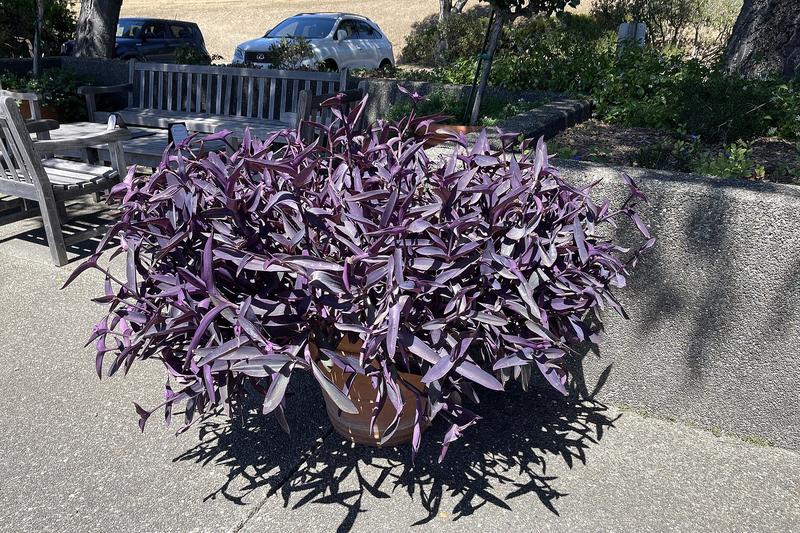
Quick facts
- Watering
- Weekly during growing season
- Sunlight
- Bright indirect light
- Soil
- Well-draining, peat-free multipurpose compost
- Humans
- Toxic
- Cats
- Toxic
- Dogs
- Toxic
- Height
- 15–30 cm
- Spread
- 30–60 cm
- Spacing
- 0 cm apart
About Tradescantia
Tradescantia zebrina is a striking trailing houseplant native to Mexico and Central America, renowned for its vibrant purple and silver-striped foliage. Its fast-growing, cascading stems make it ideal for hanging baskets and shelves in UK homes, where it thrives in bright, indirect light. British gardeners prize this plant for its ease of care, rapid growth, and ability to tolerate the lower light levels common in UK interiors during autumn and winter. The iridescent leaves add a splash of colour year-round, making it a popular choice for both novice and experienced indoor gardeners.
UK fact: Tradescantia zebrina has been a staple in British homes since Victorian times, when it was prized in conservatories and parlours for its exotic appearance and remarkable ability to root from the smallest cutting, making it easy to share amongst friends and neighbours.
Watering Tradescantia
During spring and summer, water thoroughly once a week, allowing excess to drain freely from the pot. In autumn and winter, reduce watering to every 10-14 days as growth slows and the compost takes longer to dry in cooler UK homes. Tradescantia is relatively forgiving but will develop brown, crispy leaf tips if allowed to dry out completely, whilst overwatering can lead to root rot and yellowing leaves. Use room-temperature water to avoid shocking the roots, and ensure pots have adequate drainage holes.
Sunlight requirements
Position near an east or north-facing window in UK homes for optimal growth, where the plant receives gentle morning light or consistent bright conditions without harsh midday sun. South and west-facing windows work well if the plant is set back from the glass or filtered through sheer curtains. In lower light conditions common during British winters, the purple colouration may fade slightly and growth will slow, but the plant will continue to thrive.
Soil and feeding
A peat-free multipurpose compost mixed with perlite or horticultural grit (roughly 3:1 ratio) provides ideal conditions for healthy root development. The compost should be moisture-retentive yet free-draining, allowing air to reach the roots whilst preventing waterlogging. Tradescantia tolerates a wide pH range but prefers slightly acidic to neutral conditions (pH 5.5-7.0). Repot annually in spring using fresh compost to replenish nutrients and prevent the medium from becoming compacted.
Apply a half-strength balanced liquid feed (such as 10-10-10 NPK) every four weeks from March through September to support vigorous growth and maintain vibrant leaf colouration. Avoid overfeeding, which can cause leggy growth and reduce the intensity of the purple pigmentation. Resume feeding in spring when new growth appears and temperatures rise.
Pruning Tradescantia
Tradescantia benefits from frequent pinching and pruning to promote dense, bushy growth rather than long, sparse stems. Pinch out the growing tips every few weeks during the growing season, removing 2-3 cm of stem just above a leaf node. This encourages branching and creates a fuller plant. Older plants can become leggy with bare stems; cut these back by half in spring to rejuvenate growth. All pruned cuttings can be propagated easily, making this an excellent opportunity to create new plants or fill in sparse areas of the parent plant.
Propagating Tradescantia
Take 10-15 cm stem cuttings from healthy, non-flowering shoots, ensuring each cutting has at least three or four leaf nodes. Cuttings root within 7-14 days in water or moist compost, making this an ideal plant for beginners. The high success rate and rapid rooting mean you can quickly produce multiple plants from a single parent. Propagation is best undertaken during the active growing season (March to August) when root development is fastest, though UK indoor conditions allow for year-round propagation with slightly slower results in winter.
Common problems
Tradescantia is generally trouble-free but can occasionally suffer from aphids and spider mites, particularly in warm, dry UK homes during winter when central heating reduces humidity. Brown, crispy leaf tips usually indicate underwatering or low humidity, whilst yellowing leaves and mushy stems suggest overwatering or poor drainage. Leggy growth with faded colouration is a sign of insufficient light; move the plant closer to a window or provide supplementary grow lights during darker months. Regularly inspect the undersides of leaves for pests and wipe foliage with a damp cloth to remove dust and discourage infestations.
Spot a problem with your plant? Photograph the affected area using the Loam app and it will suggest the most likely cause and treatment.
Safety
- Humans
-
Toxic
Mildly toxic if ingested; sap can cause skin irritation in sensitive individuals. Keep out of reach of children and wash hands after handling.
- Cats
-
Toxic
Toxic to cats if ingested, causing vomiting, drooling, and digestive upset. Keep out of reach of curious pets.
- Dogs
-
Toxic
Toxic to dogs if ingested, causing vomiting, drooling, and gastrointestinal irritation. Position out of reach of pets.
Toxicity information is for general guidance only. If a person or pet has been exposed to this plant and you are concerned, seek advice from a medical professional or vet.
Seasonal care calendar
Monthly care guide for Tradescantia in the UK, based on average conditions.
| Month | Care tasks |
|---|---|
| January | Reduce watering frequency as growth slows. Ensure the plant receives maximum available light during short winter days. |
| February | Continue minimal watering. Check for spider mites in heated homes and increase humidity if needed by misting or using a pebble tray. |
| March | Resume regular watering as growth restarts. Begin monthly feeding. Ideal time to repot if the plant has become rootbound. |
| April | Increase watering frequency as temperatures rise. Take stem cuttings for propagation. Pinch growing tips to encourage bushier growth. |
| May | Water weekly and feed monthly. Continue pinching back stems to maintain compact shape. Monitor for pests as growth accelerates. |
| June | Maintain regular watering and feeding schedule. Prune any leggy stems. Small pink flowers may appear but are insignificant compared to the foliage. |
| July | Peak growing season—water weekly and feed monthly. Ensure adequate humidity during hot spells. Take cuttings to propagate or refresh sparse plants. |
| August | Continue regular care routine. Pinch back vigorous growth. Check compost moisture more frequently during warm weather. |
| September | Reduce feeding frequency as growth begins to slow. Continue weekly watering. Final opportunity for successful propagation before winter. |
| October | Stop feeding for the winter. Gradually reduce watering as temperatures drop and growth slows. Move away from cold windowsills on frosty nights. |
| November | Water sparingly, allowing compost to dry slightly between waterings. Ensure the plant receives adequate light as days shorten. |
| December | Minimal watering required. Keep away from cold draughts and radiators. Wipe leaves to remove dust and maximise light absorption. |
Frequently asked questions
- How often should I water my Tradescantia in winter?
- During UK winter months, water your Tradescantia when the top 2-3cm of compost feels dry to the touch, typically every 7-10 days. Growth slows considerably in winter due to lower light levels and cooler temperatures, so the plant needs less water than in spring and summer. Overwatering in winter is a common cause of root rot. Always check the compost moisture before watering and ensure pots have drainage holes.
- Why is my Tradescantia dying and how do I save it?
- A dying Tradescantia usually shows symptoms like yellowing leaves, stem rot, or severe wilting, which can result from overwatering, underwatering, pests, or disease. Check the roots for rot (black, mushy roots indicate overwatering), inspect for pests like spider mites, and assess light and watering conditions. The Loam app can help diagnose specific problems through photo analysis and provide personalised care reminders to prevent future issues, ensuring your plant receives the right care year-round.
- How do I propagate Tradescantia from cuttings?
- Tradescantia is one of the easiest houseplants to propagate. Take 10-15cm stem cuttings just below a leaf node, remove the lower leaves, and place in water or directly into moist peat-free compost. Cuttings in water will root within 1-2 weeks—you'll see white roots developing. Once roots are 2-3cm long, pot up into compost. Spring and summer are the best times for propagation, though Tradescantia will root year-round in the UK with adequate warmth and light.
Got a question about growing Tradescantia that isn't covered here? Ask the Garden Advisor in the Loam app. It knows your saved plants and local conditions.
Related plants
This page was compiled with AI assistance and reviewed by our team. .