Japanese Snowbell
Styrax japonica
Trees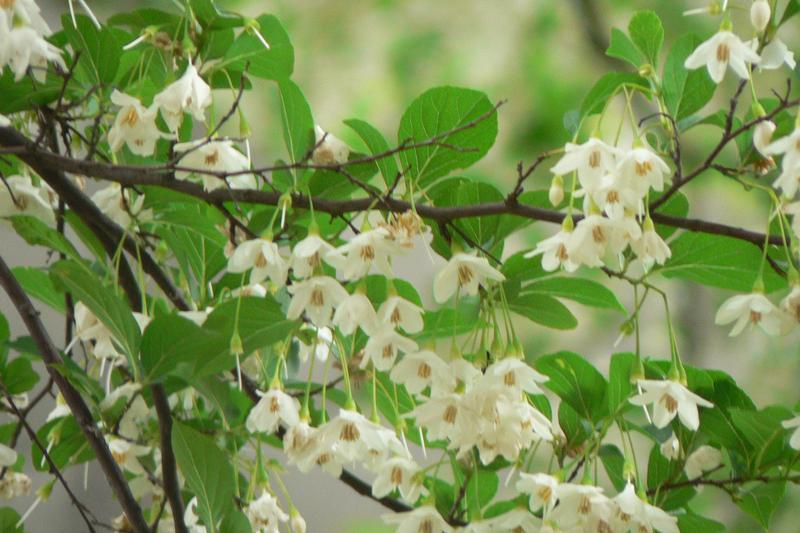
Quick facts
- Watering
- Weekly when young, fortnightly established
- Sunlight
- Full sun to partial shade
- Soil
- Moist, well-drained, acidic
- Humans
- Unknown
- Cats
- Unknown
- Dogs
- Unknown
- Height
- 600–800 cm
- Spread
- 400–600 cm
- Spacing
- 500–700 cm apart
- RHS recognition
- Award of Garden Merit
About Japanese Snowbell
Japanese Snowbell is a graceful deciduous tree native to China, Korea and Japan, prized for its elegant tiered branching and profusion of fragrant white bell-shaped flowers in late spring. Growing to around 8 metres tall, it creates a stunning specimen for medium-sized UK gardens, with attractive oval leaves that turn yellow or red in autumn. British gardeners value it for its reliable flowering, manageable size and tolerance of urban conditions. The delicate pendulous blooms appear in May and June, creating a spectacular display that suits cottage gardens and contemporary landscapes alike.
UK fact: Styrax japonica received the RHS Award of Garden Merit in 1993 and thrives particularly well in the milder south and west of Britain, where it benefits from shelter and acidic woodland soils similar to its native habitat.
Watering Japanese Snowbell
Water young trees weekly during their first two growing seasons to establish a strong root system, particularly during dry spells between April and September. Once established, Japanese Snowbell is moderately drought-tolerant but benefits from fortnightly watering during prolonged dry periods in summer. Maintain consistent moisture during flowering in May and June for the best display. Mulch around the base to retain moisture and keep roots cool.
Sunlight requirements
Japanese Snowbell performs best in full sun or light dappled shade, particularly in southern UK gardens where some afternoon shade prevents leaf scorch. In northern regions, a sunny south or west-facing position maximises flowering and autumn colour. Avoid deep shade, which reduces flowering and can lead to leggy growth.
Soil and feeding
Japanese Snowbell thrives in fertile, humus-rich soil with good drainage and a pH of 5.5 to 6.5, making it ideal for woodland gardens and areas with naturally acidic conditions. It struggles in alkaline or chalky soils, which can cause chlorosis and poor growth. Improve heavy clay with organic matter and grit to enhance drainage, and incorporate ericaceous compost at planting time. The tree benefits from a permanent mulch of leaf mould or composted bark to maintain soil acidity and moisture.
Apply a balanced slow-release fertiliser such as blood, fish and bone in early spring around the root zone, avoiding direct contact with the trunk. Alternatively, use an ericaceous feed if your soil is borderline alkaline to help maintain the acidic conditions this tree prefers. Mulching annually with well-rotted compost or leaf mould provides additional nutrients and improves soil structure.
Pruning Japanese Snowbell
Japanese Snowbell requires minimal pruning and is best left to develop its natural graceful form. Remove any dead, diseased or crossing branches in late winter or early spring before growth begins, making clean cuts just above a bud or branch junction. Avoid heavy pruning, as this can spoil the tree's elegant tiered habit and reduce flowering. If shaping is necessary, prune immediately after flowering in June or July to avoid removing next year's flower buds.
Propagating Japanese Snowbell
Japanese Snowbell can be propagated from semi-ripe cuttings taken in late summer, dipped in hormone rooting powder and placed in a mix of peat-free ericaceous compost and perlite. Seed propagation is possible but requires stratification over winter and can take several years to produce flowering plants. Layering low branches in spring is another reliable method for home gardeners, with roots typically forming within 12 to 18 months. Grafting onto rootstock is the commercial method but requires specialist skills.
Common problems
Japanese Snowbell is generally pest and disease-free in UK gardens, though young growth may occasionally attract aphids in spring, which can be controlled with organic sprays or by encouraging natural predators. Chlorosis (yellowing leaves) indicates alkaline soil or poor drainage and requires soil amendment with ericaceous compost and sulphur chips. Late spring frosts can damage emerging flowers and young foliage, so avoid planting in frost pockets. Root rot may occur in waterlogged conditions, emphasising the importance of well-drained soil.
Spot a problem with your plant? Photograph the affected area using the Loam app and it will suggest the most likely cause and treatment.
Safety
- Humans
-
Unknown
No confirmed toxicity data available for Styrax japonica, but as with all ornamental plants, avoid ingestion and supervise children around the tree.
- Cats
-
Unknown
No specific toxicity information available for cats; monitor pets and consult a vet if ingestion occurs.
- Dogs
-
Unknown
No specific toxicity information available for dogs; monitor pets and consult a vet if ingestion occurs.
Toxicity information is for general guidance only. If a person or pet has been exposed to this plant and you are concerned, seek advice from a medical professional or vet.
Seasonal care calendar
Monthly care guide for Japanese Snowbell in the UK, based on average conditions.
| Month | Care tasks |
|---|---|
| January | No action needed, tree is dormant. |
| February | Check tree stakes and ties, adjusting if necessary to prevent damage. |
| March | Apply slow-release fertiliser around the root zone and refresh mulch layer. |
| April | Monitor for aphids on emerging growth and water young trees weekly. |
| May | Enjoy the spectacular display of fragrant white bell-shaped flowers. |
| June | Continue watering during dry spells and deadhead spent flowers if accessible. |
| July | Prune any damaged or crossing branches after flowering finishes. |
| August | Take semi-ripe cuttings for propagation and maintain watering in dry weather. |
| September | Reduce watering frequency as temperatures cool and growth slows. |
| October | Enjoy autumn foliage colour as leaves turn yellow and red before falling. |
| November | Clear fallen leaves from around the base and add to compost heap. |
| December | No action needed, tree is entering dormancy. |
Frequently asked questions
- When does Japanese Snowbell flower in the UK?
- Japanese Snowbell typically flowers in late May and June in the UK, producing masses of fragrant white bell-shaped blooms that hang beneath the branches. The exact timing varies slightly depending on your location and the weather, with southern gardens often flowering a week or two earlier than northern regions.
- Why are the leaves on my Japanese Snowbell turning yellow?
- Yellowing leaves (chlorosis) usually indicates your soil is too alkaline or waterlogged, as Japanese Snowbell requires acidic, well-drained conditions. The Loam app can help you diagnose the specific cause by analysing your soil type and watering schedule, then provide personalised care adjustments to restore your tree's health.
- How big does a Japanese Snowbell tree grow?
- In UK gardens, Japanese Snowbell typically reaches 6 to 8 metres tall with a spread of 4 to 6 metres, making it ideal for medium-sized gardens. Growth is relatively slow, taking 10 to 20 years to reach full size, and the tree maintains an elegant tiered branching structure throughout its life.
Got a question about growing Japanese Snowbell that isn't covered here? Ask the Garden Advisor in the Loam app. It knows your saved plants and local conditions.
Related plants
This page was compiled with AI assistance and reviewed by our team. .