Stinging Nettle
Urtica dioica
Weeds and Invasives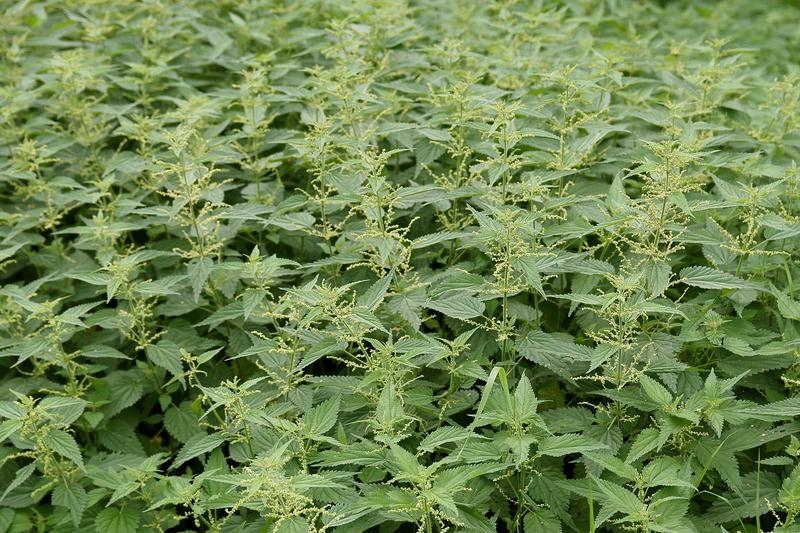
Quick facts
- Watering
- Minimal once established
- Sunlight
- Full sun to partial shade
- Soil
- Rich, moisture-retentive, nitrogen-rich
- Humans
- Safe
- Cats
- Safe
- Dogs
- Safe
- Height
- 60–200 cm
- Spread
- 60–150 cm
- Spacing
- 30–45 cm apart
About Stinging Nettle
Stinging nettle is a vigorous perennial native to the UK, recognised by its serrated, heart-shaped leaves covered in hollow hairs that deliver a sharp sting. Despite its reputation as a troublesome weed, many British gardeners cultivate it deliberately for wildlife value, as a compost activator, and for culinary and medicinal uses. It spreads rapidly via creeping rhizomes and self-seeding, forming dense colonies in nitrogen-rich soils. The plant supports over 40 species of insects, including the caterpillars of several British butterflies.
UK fact: Stinging nettle has been used in Britain since the Bronze Age for fibre production, and during both World Wars, British schoolchildren were encouraged to collect nettles for use in dyes and chlorophyll extraction for camouflage.
Watering Stinging Nettle
Established nettles require little supplementary watering in most UK climates, relying on natural rainfall. During prolonged dry spells in summer, occasional deep watering encourages tender new growth for harvesting. Newly planted or transplanted nettles benefit from regular watering for the first few weeks until roots establish. Avoid waterlogging, though nettles tolerate damp conditions better than drought.
Sunlight requirements
Stinging nettle thrives in full sun but tolerates partial shade, particularly in southern UK gardens where some afternoon shade prevents excessive drying. In shadier positions, growth may be less vigorous but plants remain productive. North-facing borders or beneath deciduous trees suit established colonies well.
Soil and feeding
Stinging nettle flourishes in fertile, nitrogen-rich soils with good moisture retention, thriving particularly on disturbed ground and compost heaps. It tolerates a wide pH range from slightly acidic to slightly alkaline (pH 5.5-8.0), though neutral to slightly alkaline conditions are preferred. Heavy clay soils suit nettles well, whilst sandy soils should be enriched with organic matter. The plant's presence often indicates high soil nitrogen levels.
Feeding is rarely necessary as nettles thrive in nutrient-rich conditions and actively seek out nitrogen. If growing in containers or for repeated harvesting, apply a balanced liquid feed monthly during the growing season to maintain vigorous leaf production.
Pruning Stinging Nettle
Cut back flowering stems in early summer to prevent self-seeding and encourage fresh, tender leaf growth for culinary use. For wildlife gardens, allow some plants to flower and set seed to support butterflies and other insects. In autumn, cut all growth to ground level; stems make excellent compost activators. Wear thick gloves and long sleeves when handling to avoid stings.
Propagating Stinging Nettle
Stinging nettle propagates readily from division of rhizomes in early spring or autumn, ensuring each section has several growing points. Seed can be sown in spring directly outdoors or in modules, though germination is variable. Root cuttings taken in winter also establish easily. Most gardeners find controlling spread more challenging than propagation, so consider growing in sunken containers or root barriers to prevent invasive spread.
Common problems
Stinging nettle is remarkably pest and disease-free, with its stinging hairs providing natural protection. The main challenge for UK gardeners is controlling its vigorous spread via underground rhizomes and prolific self-seeding. Aphids occasionally colonise young shoots but rarely cause significant damage. In very wet conditions, rust fungi may appear as orange pustules on leaves, though this seldom requires intervention and affected growth can simply be removed.
Spot a problem with your plant? Photograph the affected area using the Loam app and it will suggest the most likely cause and treatment.
Safety
- Humans
- Safe
- Cats
- Safe
- Dogs
- Safe
Toxicity information is for general guidance only.
Seasonal care calendar
Monthly care guide for Stinging Nettle in the UK, based on average conditions.
| Month | Care tasks |
|---|---|
| January | Plant remains dormant; no action needed. |
| February | First shoots may emerge in mild spells; prepare planting areas if establishing new patches. |
| March | New growth emerges; divide established clumps or take root cuttings. Begin harvesting young leaves. |
| April | Vigorous growth begins; harvest tender young leaves regularly for culinary use. Sow seed outdoors. |
| May | Continue harvesting young growth. Plants begin to flower; cut back if preventing seed set. |
| June | Flowering peaks; allow some to bloom for wildlife or cut back to encourage fresh leaf growth. |
| July | Seeds begin to ripen; remove flower heads to prevent spread. Harvest leaves for drying. |
| August | Growth slows in dry weather; water if harvesting regularly. Cut back straggly growth. |
| September | Growth begins to decline; final harvest of leaves before quality deteriorates. |
| October | Foliage yellows and dies back; cut stems to ground level and add to compost. Divide clumps if needed. |
| November | Plant fully dormant; clear remaining dead stems. Take root cuttings for propagation. |
| December | No action needed; plant remains dormant underground. |
Frequently asked questions
- How do I get rid of stinging nettles in my garden?
- Dig out the entire root system, removing all rhizome fragments, as even small pieces regrow. Regular cutting weakens plants over time but takes several seasons. Cover patches with thick cardboard or landscape fabric for at least one growing season to exhaust roots. Avoid composting roots unless your heap reaches high temperatures. Chemical control with glyphosate is effective but use only as a last resort, following manufacturer's instructions carefully.
- When is the best time to harvest stinging nettle leaves?
- Harvest young leaves in spring (March to May) before flowering begins, when they're most tender and nutritious. Pick only the top 10-15cm of growth, wearing gloves. The Loam app can send you reminders for optimal harvest windows and track which patches you've cut to ensure rotation and continuous supply throughout the season.
- Are stinging nettles good for wildlife?
- Yes, stinging nettles are invaluable for British wildlife, supporting caterpillars of red admiral, peacock, comma, and small tortoiseshell butterflies. They also provide food and shelter for numerous other insects, aphids (which feed birds), and seeds for finches. Leaving a patch in a wild corner benefits biodiversity significantly whilst keeping them away from cultivated areas.
Got a question about growing Stinging Nettle that isn't covered here? Ask the Garden Advisor in the Loam app. It knows your saved plants and local conditions.
Related plants
This page was compiled with AI assistance and reviewed by our team. .