Goldenrod
Solidago canadensis
Perennials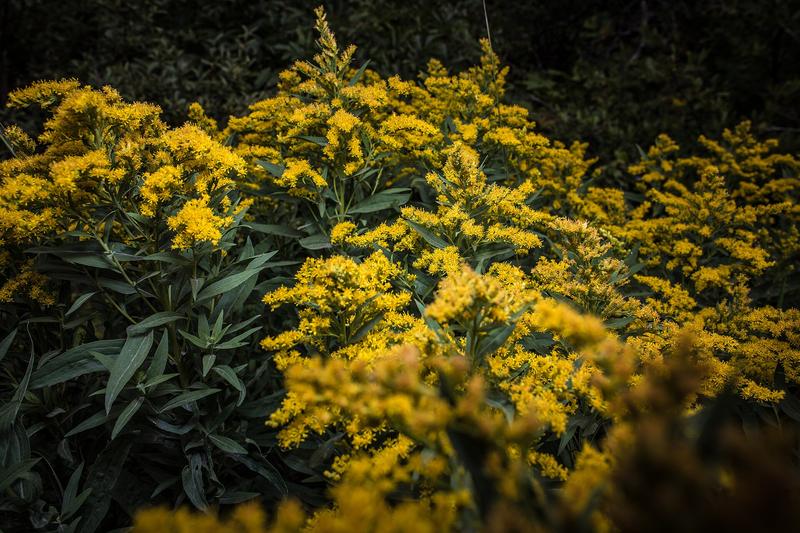
Quick facts
- Watering
- Fortnightly once established
- Sunlight
- Full sun to partial shade
- Soil
- Well-drained, moderately fertile
- Humans
- Safe
- Cats
- Safe
- Dogs
- Safe
- Height
- 90–150 cm
- Spread
- 45–90 cm
- Spacing
- 45–60 cm apart
About Goldenrod
Goldenrod is a vigorous herbaceous perennial native to North America, prized in UK gardens for its tall spires of golden-yellow flowers that brighten late summer and autumn borders. Growing 90–150 cm tall, it produces arching plumes of tiny blooms that are excellent for cutting and attract bees, butterflies, and other pollinators. British gardeners value goldenrod for its reliability, ease of cultivation, and ability to provide colour when many other perennials are fading. Despite its reputation abroad, goldenrod pollen is too heavy to cause hay fever – ragweed is the true culprit.
UK fact: Several Solidago cultivars, including 'Goldenmosa' and hybrids like Solidago 'Golden Wings', have received the RHS Award of Garden Merit, recognising their excellent performance in British gardens and their value for late-season pollinator support.
Watering Goldenrod
Water newly planted goldenrod weekly during the first growing season to establish a deep root system. Once established, plants are remarkably drought-tolerant and typically require watering only during prolonged dry spells in summer, approximately every two weeks if rainfall is absent. Overwatering or poorly drained soil encourages root rot and powdery mildew. In containers, water when the top 5 cm of compost feels dry, ensuring good drainage.
Sunlight requirements
Goldenrod thrives in full sun, producing the most abundant flowers and strongest stems in open positions receiving at least six hours of direct sunlight daily. It tolerates partial shade, particularly in southern England, though flowering may be reduced and stems can become lax. In UK gardens, avoid planting in deep shade or north-facing borders where growth will be weak and disease pressure higher.
Soil and feeding
Goldenrod adapts to a wide range of soil types but performs best in well-drained, moderately fertile loam with a pH between 5.5 and 7.5. It tolerates poor, sandy soils and even clay if drainage is adequate, making it ideal for challenging UK garden conditions. Avoid overly rich soil, which promotes excessive foliage growth at the expense of flowers and can cause stems to flop. Incorporate organic matter such as garden compost when planting to improve structure without over-enriching.
Goldenrod requires minimal feeding and thrives in average soil fertility. Apply a balanced general-purpose fertiliser such as blood, fish and bone in early spring at half the recommended rate to support healthy growth without encouraging excessive vigour. Overfed plants become tall and floppy, requiring staking, so err on the side of less rather than more.
Pruning Goldenrod
Cut back flowering stems to ground level in late autumn after flowering finishes, or leave seed heads standing through winter to provide food for birds and structural interest before tidying in February. To reduce height and encourage bushier growth with more flower stems, cut back stems by one-third to one-half in late May or early June (the 'Chelsea chop'). Divide congested clumps every three to four years in spring to maintain vigour and prevent excessive spreading.
Propagating Goldenrod
Goldenrod is easily propagated by division in spring (March to April) or autumn (September to October). Lift established clumps with a garden fork, then use two forks back-to-back or a sharp spade to divide the root mass into sections, each with several shoots and healthy roots. Replant divisions immediately at the same depth, spacing 45–60 cm apart, and water well. Goldenrod can also be grown from seed sown in spring, though division is faster and maintains cultivar characteristics.
Common problems
Goldenrod is generally trouble-free but can suffer from powdery mildew in dry conditions or crowded plantings, appearing as white powdery patches on leaves in late summer. Improve air circulation by thinning stems and ensure adequate spacing. Rust may occasionally affect foliage, causing orange pustules; remove affected leaves and avoid overhead watering. Goldenrod spreads vigorously via rhizomes and can become invasive in favourable conditions, so site carefully and divide regularly to control spread. Aphids may cluster on young shoots in spring but rarely cause serious damage.
Spot a problem with your plant? Photograph the affected area using the Loam app and it will suggest the most likely cause and treatment.
Safety
- Humans
- Safe
- Cats
- Safe
- Dogs
- Safe
Toxicity information is for general guidance only.
Seasonal care calendar
Monthly care guide for Goldenrod in the UK, based on average conditions.
| Month | Care tasks |
|---|---|
| January | No action needed; plants fully dormant. |
| February | Cut back any remaining dead stems to ground level before new growth emerges. |
| March | Apply balanced fertiliser around established clumps. Divide congested plants and replant divisions. |
| April | New shoots emerge; water if conditions are dry. Mulch around plants with garden compost. |
| May | Consider the Chelsea chop: cut stems back by one-third to reduce height and encourage bushier growth. |
| June | Water during dry spells. Monitor for aphids on young growth. |
| July | Flower buds begin to form. Ensure adequate moisture if weather is dry. |
| August | Flowers open; deadhead spent blooms to prolong display or leave for pollinators and seed. |
| September | Peak flowering continues. Cut stems for fresh arrangements. Divide plants if needed. |
| October | Flowering finishes. Leave seed heads for wildlife or cut back to ground level. |
| November | Tidy borders by removing dead stems, or leave standing for winter interest. |
| December | No action needed; plants dormant. |
Frequently asked questions
- Does goldenrod cause hay fever in the UK?
- No, goldenrod does not cause hay fever. Its pollen is too heavy to become airborne and is spread by insects, not wind. Ragweed, which flowers at the same time, is the actual culprit but is rare in the UK. Goldenrod is safe for allergy sufferers and excellent for pollinators.
- How do I stop goldenrod from taking over my garden?
- Goldenrod spreads via underground rhizomes and can become invasive. Divide clumps every 3–4 years to control spread, remove unwanted shoots promptly, and consider planting in sunken containers. The Loam app can send reminders to divide plants and help you track vigorous perennials before they become problematic.
- When should I cut back goldenrod in the UK?
- Cut back goldenrod stems to ground level in late autumn after flowering, or leave seed heads standing through winter for birds and structural interest, then tidy in February. For shorter, bushier plants, perform the Chelsea chop in late May by cutting stems back by one-third.
Got a question about growing Goldenrod that isn't covered here? Ask the Garden Advisor in the Loam app. It knows your saved plants and local conditions.
Related plants
This page was compiled with AI assistance and reviewed by our team. .