Autumn Moor Grass
Sesleria autumnalis
Grasses and Ferns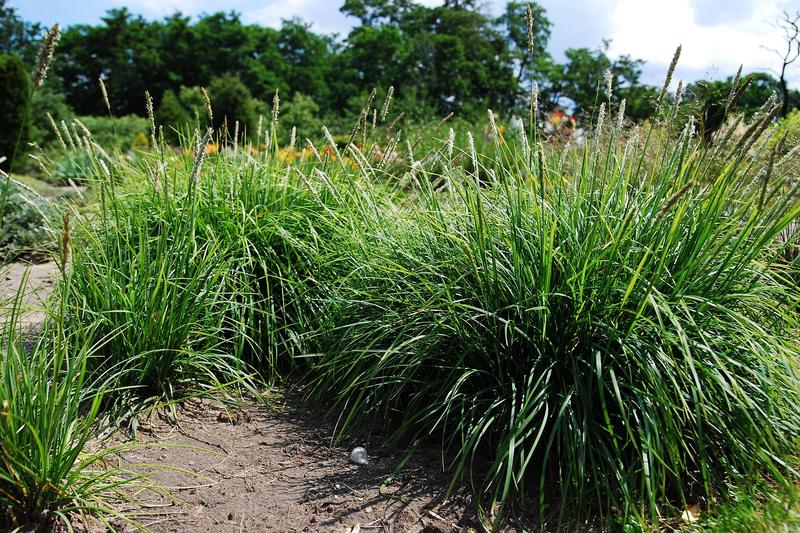
Quick facts
- Watering
- Fortnightly during establishment
- Sunlight
- Full sun to partial shade
- Soil
- Well-drained, alkaline to neutral
- Humans
- Safe
- Cats
- Safe
- Dogs
- Safe
- Height
- 30–45 cm
- Spread
- 30–40 cm
- Spacing
- 30–40 cm apart
- RHS recognition
- Award of Garden Merit
About Autumn Moor Grass
Moor Grass is a compact, evergreen ornamental grass native to the mountains of central and southern Europe. It forms dense tufts of narrow, blue-green foliage that remains attractive throughout the year, making it invaluable for winter interest in UK gardens. From late summer through autumn, it produces delicate purple-tinged flower spikes that age to buff, providing textural contrast in borders and gravel gardens. UK gardeners prize it for its drought tolerance once established, neat habit, and ability to thrive in challenging conditions including poor soils and exposed sites.
UK fact: Sesleria autumnalis thrives particularly well in the limestone regions of the UK, such as the Cotswolds and Yorkshire Dales, where it echoes the native Sesleria caerulea found on upland pastures and performs reliably in alkaline soils that challenge many other ornamental grasses.
Watering Autumn Moor Grass
Water newly planted Moor Grass regularly during the first growing season, typically every 10-14 days if rainfall is insufficient, to help establish a strong root system. Once established after the first year, plants are remarkably drought-tolerant and rarely require supplementary watering in most UK regions. During prolonged dry spells in summer, an occasional deep watering will maintain the best foliage colour. Avoid waterlogging, particularly in winter, as this can lead to crown rot.
Sunlight requirements
Moor Grass performs best in full sun where it develops the most compact growth and prolific flowering, but tolerates partial shade admirably. In UK gardens, it suits south or west-facing positions but will also succeed on east-facing aspects. Plants in shadier spots may become slightly more lax in habit but retain their evergreen foliage and still flower reliably.
Soil and feeding
Sesleria autumnalis thrives in well-drained soils and has a particular affinity for alkaline conditions, making it ideal for chalky or limestone-based gardens. It tolerates a pH range from neutral to quite alkaline (pH 6.5-8.5) and performs well in poor, stony, or gravelly soils where many grasses struggle. Good drainage is essential, especially in winter, so incorporate grit or sharp sand into heavy clay soils before planting. The plant's natural habitat on rocky mountain slopes means it actually prefers lean soils and doesn't require rich, fertile conditions.
Moor Grass requires minimal feeding and actually performs better in lean conditions. A light application of general-purpose fertiliser in early spring is optional and only necessary on very poor soils. Over-feeding can lead to lax, floppy growth and reduced drought tolerance, so err on the side of caution.
Pruning Autumn Moor Grass
Moor Grass is evergreen and requires minimal pruning compared to deciduous grasses. In late winter or early spring (February to March), comb through the clumps with gloved fingers or a small rake to remove any dead or damaged foliage, which helps maintain a tidy appearance. Alternatively, give plants a light trim with shears to remove the tips of any browned leaves. Avoid cutting back hard into the crown as you would with deciduous grasses. Remove spent flower stems in late autumn or leave them for winter interest and cut back in spring.
Propagating Autumn Moor Grass
Moor Grass is most easily propagated by division in spring (March to April) or early autumn (September). Lift established clumps carefully with a fork and divide them into smaller sections, ensuring each piece has healthy roots and shoots. Replant divisions immediately at the same depth they were growing previously, spacing them 30-40cm apart. Division also rejuvenates older clumps that may have died out in the centre. Seed propagation is possible but slow; sow fresh seed in autumn in a cold frame, though division is far more reliable for UK gardeners.
Common problems
Moor Grass is remarkably trouble-free and suffers from few pests or diseases in UK gardens. Good drainage is essential to prevent crown rot in winter, particularly on heavy clay soils, so ensure adequate soil preparation before planting. Rust can occasionally affect the foliage in humid conditions, appearing as orange pustules on leaves, but this is rarely serious and can be managed by improving air circulation and removing affected foliage. Slugs and snails generally avoid the tough, narrow leaves. The main cultural problem is planting in excessively wet or poorly drained sites, which can lead to decline.
Spot a problem with your plant? Photograph the affected area using the Loam app and it will suggest the most likely cause and treatment.
Safety
- Humans
- Safe
- Cats
- Safe
- Dogs
- Safe
Toxicity information is for general guidance only.
Seasonal care calendar
Monthly care guide for Autumn Moor Grass in the UK, based on average conditions.
| Month | Care tasks |
|---|---|
| January | No action needed. Evergreen foliage provides winter structure. |
| February | Comb through clumps to remove dead foliage or give a light trim with shears. |
| March | Complete tidying. Divide established clumps if needed. Plant new specimens. |
| April | New growth emerges. Water newly planted specimens regularly. |
| May | Continue watering new plantings. Fresh foliage fills out. |
| June | Monitor soil moisture during dry spells for first-year plants. |
| July | Early flower spikes begin to emerge. Water if prolonged dry weather. |
| August | Flowering in full swing with purple-tinged spikes. Enjoy the display. |
| September | Flowers age to attractive buff tones. Divide plants if necessary. |
| October | Cut back spent flower stems or leave for winter interest. |
| November | Evergreen foliage provides structure as borders fade. |
| December | No action needed. Foliage remains attractive through winter. |
Frequently asked questions
- When should I cut back Moor Grass?
- Unlike deciduous grasses, Moor Grass is evergreen and shouldn't be cut back hard. In late winter (February to March), simply comb through clumps with your fingers to remove dead foliage or give a light trim with shears to tidy the tips. Remove spent flower stems in late autumn or leave them for winter interest.
- Why is my Moor Grass turning brown in the centre?
- Browning in the centre often indicates the clump is ageing and needs division, or it may be suffering from poor drainage causing crown rot. The Loam app can help you diagnose the specific cause based on your soil conditions and watering history, and remind you when to divide established clumps.
- Does Moor Grass work well in pots?
- Yes, Moor Grass is excellent for containers due to its compact size and evergreen habit. Use a loam-based compost with added grit for drainage, and ensure pots have adequate drainage holes. Container-grown plants will need more regular watering than those in the ground, particularly during summer.
Got a question about growing Autumn Moor Grass that isn't covered here? Ask the Garden Advisor in the Loam app. It knows your saved plants and local conditions.
Related plants
This page was compiled with AI assistance and reviewed by our team. .