Purple Moor Grass
Molinia caerulea
Grasses and Ferns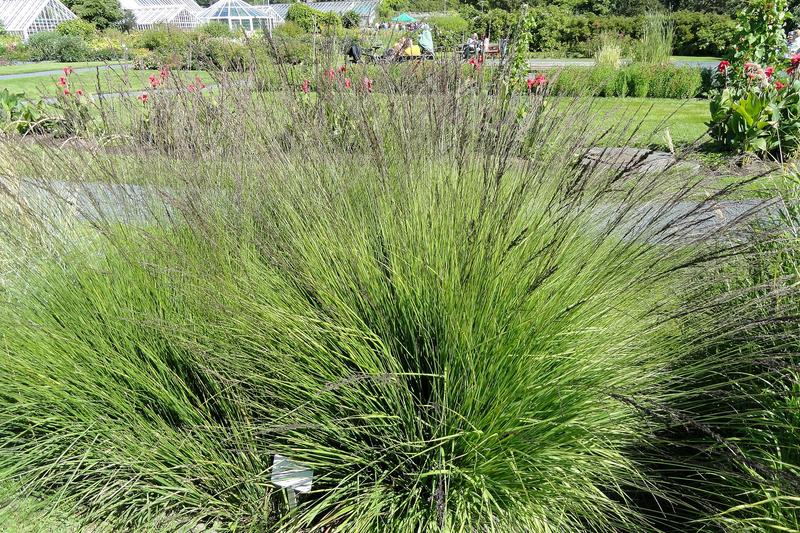
Quick facts
- Watering
- Weekly during establishment
- Sunlight
- Full sun to partial shade
- Soil
- Moist, acidic to neutral
- Humans
- Safe
- Cats
- Safe
- Dogs
- Safe
- Height
- 60–120 cm
- Spread
- 40–60 cm
- Spacing
- 45–60 cm apart
- RHS recognition
- Award of Garden Merit
About Purple Moor Grass
Moor Grass is a graceful, deciduous ornamental grass native to the UK's moorlands and heathlands. It forms elegant, upright clumps of fine-textured foliage that turns golden-yellow in autumn, with airy purple flower heads appearing in late summer. British gardeners prize it for its naturalistic appeal in prairie-style plantings and its exceptional autumn colour. This hardy grass thrives in the UK climate and requires minimal maintenance once established.
UK fact: Molinia caerulea is one of Britain's native grasses, historically used for thatching and bedding in rural areas, and it remains a key component of our protected moorland and wetland habitats across Scotland, Wales, and northern England.
Watering Purple Moor Grass
Water newly planted Moor Grass weekly during the first growing season to establish a strong root system. Once established, it is remarkably drought-tolerant and rarely requires supplementary watering in most UK regions. In prolonged dry spells during summer, an occasional deep watering will maintain foliage quality. Plants grown in containers need regular watering throughout the growing season.
Sunlight requirements
Moor Grass performs best in full sun where it develops the strongest autumn colour and most prolific flowering. It tolerates partial shade, particularly in southern UK gardens, though growth may be slightly less vigorous. In shadier positions, plant on east or west-facing aspects for at least half a day's sun.
Soil and feeding
Moor Grass thrives in moisture-retentive, acidic to neutral soils with a pH of 5.0-7.0, reflecting its native moorland habitat. It tolerates a wide range of soil types including clay, loam, and sandy soils, provided they don't dry out completely in summer. Good drainage is important to prevent waterlogging in winter. Avoid chalky or alkaline soils where the plant may struggle and show poor growth.
Moor Grass requires minimal feeding and thrives in nutrient-poor soils. Avoid fertilising established plants as this can lead to lax, floppy growth and reduced autumn colour. A light mulch of leaf mould in spring is sufficient for container-grown specimens.
Pruning Purple Moor Grass
Cut back the entire plant to ground level in late winter or early spring (February to March) before new growth emerges. The dried foliage and seed heads provide valuable winter interest and wildlife habitat, so delay pruning until late in the season. Simply use shears or secateurs to remove all the previous year's growth in one session. No other pruning is required throughout the year.
Propagating Purple Moor Grass
Moor Grass is easily propagated by division in spring (March to April) as new growth begins. Lift established clumps with a garden fork and divide into smaller sections, ensuring each has healthy roots and shoots. Replant divisions immediately at the same depth and water well until established. Seed propagation is possible but slow; sow fresh seed in autumn in pots outdoors, though division is far more reliable for gardeners.
Common problems
Moor Grass is remarkably trouble-free with few pests or diseases affecting it in UK gardens. Rust may occasionally appear as orange pustules on leaves in humid conditions, but this rarely causes serious harm and can be managed by removing affected foliage. Slugs and snails may nibble young spring growth but seldom cause significant damage. The main cultural problem is planting in alkaline soil, which leads to poor growth and yellowing foliage.
Spot a problem with your plant? Photograph the affected area using the Loam app and it will suggest the most likely cause and treatment.
Safety
- Humans
- Safe
- Cats
- Safe
- Dogs
- Safe
Toxicity information is for general guidance only.
Seasonal care calendar
Monthly care guide for Purple Moor Grass in the UK, based on average conditions.
| Month | Care tasks |
|---|---|
| January | Leave dried foliage and seed heads standing for winter interest and wildlife shelter. |
| February | Cut back all dead foliage to ground level before new growth emerges. |
| March | Complete pruning if not done in February. Divide established clumps if required. |
| April | New green shoots emerge. Plant new specimens and water regularly to establish. |
| May | Fresh foliage develops rapidly. Continue watering newly planted grasses weekly. |
| June | Foliage reaches full height. Water during dry spells to maintain growth. |
| July | Flower stems begin to emerge. Ensure adequate moisture during hot, dry weather. |
| August | Purple flower heads appear and create airy display above foliage. |
| September | Flowers mature to seed. Foliage begins turning golden-yellow. |
| October | Enjoy spectacular autumn colour as foliage turns rich gold and amber. |
| November | Foliage fades to buff and straw tones. Leave standing for winter structure. |
| December | Dried seed heads and foliage provide winter interest. No action needed. |
Frequently asked questions
- When should I cut back Moor Grass?
- Cut back Moor Grass in late winter or early spring (February to March) before new growth emerges. Leave the dried foliage standing through winter as it provides valuable structure, interest, and wildlife habitat, then remove it all to ground level in one session using shears.
- Why is my Moor Grass turning yellow in summer?
- Yellowing foliage in summer often indicates alkaline soil, which Moor Grass dislikes, or insufficient moisture during dry spells. Use the Loam app to track watering schedules and get personalised soil advice based on your garden conditions to keep your grass healthy.
- Does Moor Grass spread aggressively?
- No, Moor Grass forms well-behaved, slowly expanding clumps and is not invasive. Unlike some ornamental grasses, it doesn't spread by runners or self-seed aggressively, making it ideal for mixed borders and prairie-style plantings where you want controlled, predictable growth.
Got a question about growing Purple Moor Grass that isn't covered here? Ask the Garden Advisor in the Loam app. It knows your saved plants and local conditions.
Related plants
This page was compiled with AI assistance and reviewed by our team. .