Blue Fescue
Festuca glauca
Grasses and Ferns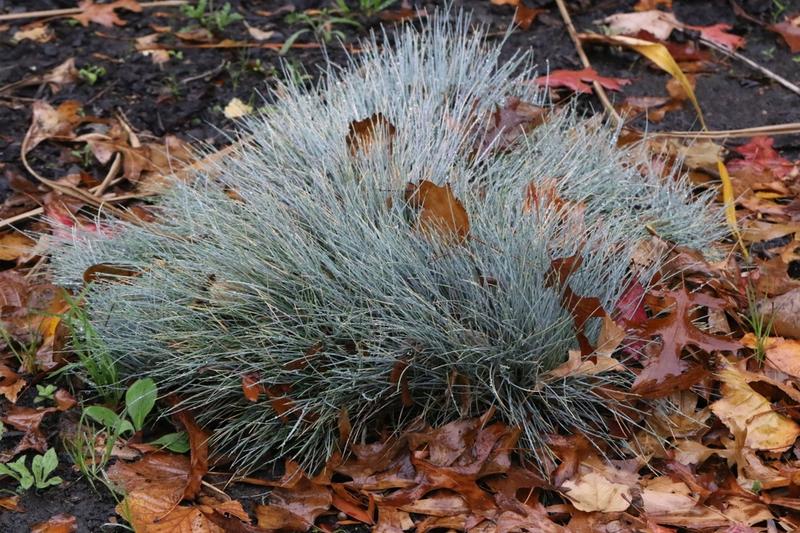
Quick facts
- Watering
- Fortnightly once established
- Sunlight
- Full sun
- Soil
- Well-drained, lean, sandy or gravelly
- Humans
- Safe
- Cats
- Safe
- Dogs
- Safe
- Height
- 20–30 cm
- Spread
- 25–30 cm
- Spacing
- 25–30 cm apart
- RHS recognition
- Award of Garden Merit
About Blue Fescue
Blue fescue is a compact, evergreen ornamental grass prized for its striking blue-grey foliage that forms neat, rounded tussocks. Native to the grasslands of central and southwestern Europe, this hardy perennial has become a staple in British gardens for its architectural form and year-round colour. UK gardeners value it for edging, rock gardens, and contemporary planting schemes where its steely blue hues provide excellent contrast to greens and purples. The grass produces delicate flower spikes in early summer, though it's primarily grown for its distinctive foliage.
UK fact: Blue fescue holds the RHS Award of Garden Merit and thrives particularly well in coastal British gardens, where its drought tolerance and ability to withstand salt-laden winds make it an invaluable choice for seaside planting schemes.
Watering Blue Fescue
Once established, blue fescue is remarkably drought-tolerant and requires minimal watering, even during dry British summers. Water newly planted specimens weekly for the first growing season to help establish a strong root system. Mature plants typically need watering only during prolonged dry spells lasting more than two weeks. Overwatering is the most common mistake, as this grass is adapted to lean, dry conditions and will rot in waterlogged soil.
Sunlight requirements
Blue fescue requires full sun to develop its best blue colouration and maintain a compact, tidy habit. In the UK, position in south or west-facing locations where it will receive at least six hours of direct sunlight daily. Plants grown in shade tend to become lax, lose their blue colour, and are more prone to fungal issues in our damp climate.
Soil and feeding
Blue fescue thrives in poor to moderately fertile, sharply drained soil and actually performs better in lean conditions than in rich soil. It tolerates a wide pH range from slightly acidic to alkaline (pH 6.0-8.0), making it suitable for most UK gardens including chalky soils. Heavy clay soils must be improved with grit or gravel to ensure adequate drainage, as winter wet is far more damaging than cold temperatures. Avoid adding compost or manure, as overly fertile soil produces lax, floppy growth and reduces the intensity of the blue colour.
Blue fescue requires little to no feeding and actually performs best in nutrient-poor conditions. Avoid fertilising established plants, as excess nutrients cause weak, floppy growth and diminish the characteristic blue colour. If growing in containers, a single application of dilute balanced liquid feed in spring is sufficient.
Pruning Blue Fescue
In late winter or early spring (February to March), comb through the foliage with gloved fingers to remove dead leaves and refresh the plant's appearance. Every two to three years, cut back the entire clump to within 5-8 cm of the ground in early spring to rejuvenate growth and maintain a neat, compact form. Remove flower stems after blooming if you prefer to keep the focus on foliage, though they can be left for winter interest. Blue fescue tends to die out in the centre after three to four years, at which point division or replacement is recommended.
Propagating Blue Fescue
Blue fescue is most easily propagated by division in spring (March to April) when new growth begins. Lift established clumps, tease apart or cut into sections ensuring each division has healthy roots and shoots, then replant immediately at the same depth. Division also rejuvenates older plants that have become woody or died out in the centre. Seed propagation is possible but less reliable for maintaining the best blue colour, as seedlings can be variable; sow fresh seed in autumn in a cold frame, though named cultivars must be divided to preserve their characteristics.
Common problems
Blue fescue is generally trouble-free but can suffer from rust fungus in humid conditions, appearing as orange pustules on leaves; improve air circulation and avoid overhead watering to prevent this. The centre of the plant naturally dies out after three to four years, which is not a disease but part of the plant's lifecycle requiring division or replacement. Overwatering and poor drainage cause root rot and browning foliage, particularly problematic in heavy clay soils during wet British winters. Aphids occasionally colonise new growth in spring but rarely cause significant damage.
Spot a problem with your plant? Photograph the affected area using the Loam app and it will suggest the most likely cause and treatment.
Safety
- Humans
- Safe
- Cats
- Safe
- Dogs
- Safe
Toxicity information is for general guidance only.
Seasonal care calendar
Monthly care guide for Blue Fescue in the UK, based on average conditions.
| Month | Care tasks |
|---|---|
| January | No action needed; foliage provides winter structure and colour. |
| February | Comb through foliage to remove dead leaves; cut back hard if rejuvenating. |
| March | Complete pruning and grooming; divide overgrown clumps; plant new specimens. |
| April | New growth emerges; water newly planted specimens weekly. |
| May | Monitor for aphids on fresh growth; continue watering new plantings. |
| June | Flower spikes appear; remove if preferred or leave for interest. |
| July | Water only during prolonged dry spells; foliage at peak colour. |
| August | Deadhead spent flowers if desired; minimal watering needed. |
| September | Reduce watering as autumn rains begin; foliage remains attractive. |
| October | Leave foliage intact for winter structure and interest. |
| November | No action needed; evergreen foliage provides autumn colour. |
| December | Foliage looks attractive in frost; no winter protection required. |
Frequently asked questions
- Why is my blue fescue turning green?
- Blue fescue loses its characteristic blue colour when grown in shade, overfed, or planted in overly rich soil. Move it to a sunnier position with at least six hours of direct sunlight daily, avoid fertilising, and ensure it's growing in lean, well-drained soil. Plants in shade or fertile conditions produce lax, greener growth rather than the compact, steely blue tussocks.
- How often should I water blue fescue in a UK garden?
- Established blue fescue needs watering only during prolonged dry spells lasting more than two weeks, making it ideal for low-maintenance gardens. The Loam app can send you personalised watering reminders based on your local weather conditions and soil type, helping you avoid overwatering which is the most common cause of problems with this drought-tolerant grass.
- When should I divide blue fescue?
- Divide blue fescue in early spring (March to April) every three to four years when the centre begins to die out and the plant becomes woody. Lift the clump, split it into sections with healthy roots and shoots, and replant immediately. Division not only propagates new plants but rejuvenates older specimens that have lost vigour.
Got a question about growing Blue Fescue that isn't covered here? Ask the Garden Advisor in the Loam app. It knows your saved plants and local conditions.
Related plants
This page was compiled with AI assistance and reviewed by our team. .