Tufted Hair Grass
Deschampsia cespitosa
Grasses and Ferns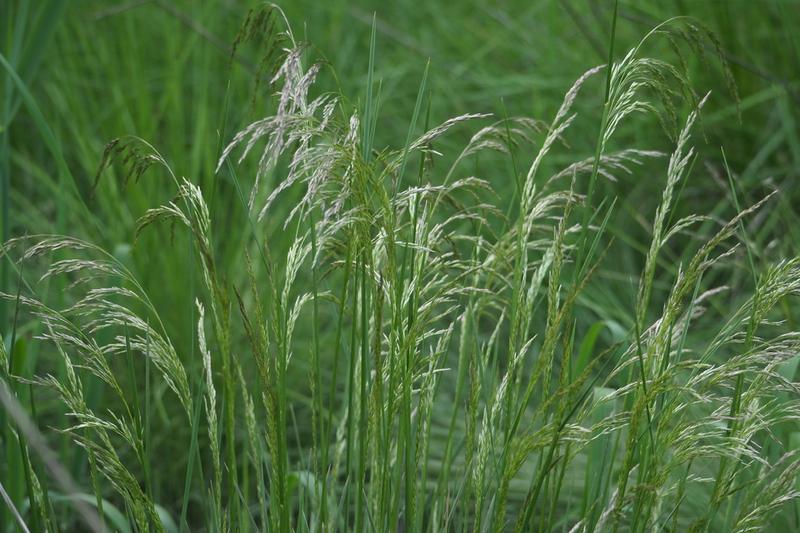
Quick facts
- Watering
- Weekly during establishment
- Sunlight
- Full sun to partial shade
- Soil
- Moisture-retentive, any pH
- Humans
- Safe
- Cats
- Safe
- Dogs
- Safe
- Height
- 60–120 cm
- Spread
- 40–60 cm
- Spacing
- 45–60 cm apart
- RHS recognition
- Award of Garden Merit
About Tufted Hair Grass
Tufted Hair Grass is a native British perennial grass forming dense tussocks of fine, dark green foliage with airy clouds of silvery-gold flower panicles in summer. Found naturally in damp meadows, moorlands, and woodland edges throughout the UK, it thrives in our cool, moist climate. UK gardeners prize it for its graceful movement, year-round structure, and ability to naturalise in challenging wet or shaded spots where other grasses struggle. The delicate flower heads catch the light beautifully and persist well into winter, providing valuable seasonal interest.
UK fact: Tufted Hair Grass is one of Britain's most widespread native grasses, found from Cornwall to the Scottish Highlands, and has been used for centuries in traditional thatching and as bedding for livestock in upland regions.
Watering Tufted Hair Grass
Water newly planted tufted hair grass weekly during the first growing season to establish a deep root system. Once established, it is remarkably drought-tolerant despite its natural preference for moisture, though it performs best with consistent moisture during dry UK summers. In heavy clay or naturally damp soils, no supplementary watering is needed. Container-grown specimens require regular watering as they cannot access ground moisture.
Sunlight requirements
Tufted Hair Grass performs best in full sun to partial shade, making it ideal for borders that receive dappled light or morning sun. In the UK, it tolerates shadier positions better than many ornamental grasses, particularly in moisture-retentive soils. South or west-facing positions produce the most abundant flowering, whilst north-facing spots suit the foliage well.
Soil and feeding
Tufted Hair Grass is exceptionally adaptable, thriving in almost any soil from heavy clay to sandy loam, and tolerating both acidic and alkaline conditions (pH 4.5-8.0). It performs best in moisture-retentive soils that don't dry out completely in summer, reflecting its natural habitat in damp meadows and moorland. Good drainage is not essential; this grass tolerates waterlogged conditions and even seasonal flooding. Enrich poor soils with organic matter at planting to improve moisture retention.
Tufted Hair Grass requires minimal feeding and thrives in nutrient-poor soils. A light application of general-purpose fertiliser in early spring can encourage more vigorous growth, but avoid over-feeding as this produces lax foliage prone to flopping. In rich garden soils, no supplementary feeding is necessary.
Pruning Tufted Hair Grass
Cut back the entire plant to within 10-15cm of ground level in late February or early March before new growth emerges. The dried flower heads and foliage provide valuable winter structure and wildlife habitat, so resist cutting back in autumn. Simply comb through the tussock with gloved hands to remove dead material if tidying is needed. Divide congested clumps every 3-4 years in spring to maintain vigour.
Propagating Tufted Hair Grass
Tufted Hair Grass is easily propagated by division in spring (March to April) when new growth appears. Lift established clumps with a fork, then use two forks back-to-back or a sharp spade to divide the dense root mass into sections with healthy roots and shoots. Replant divisions immediately at the same depth, spacing 45-60cm apart, and water well. Seed propagation is possible but slow; sow fresh seed in autumn in pots outdoors, as germination requires cold stratification over winter.
Common problems
Tufted Hair Grass is remarkably trouble-free with few pest or disease problems in UK gardens. Rust fungi may occasionally appear as orange pustules on leaves in humid conditions, but this rarely affects plant health and can be managed by improving air circulation. Aphids sometimes colonise new growth in spring but are easily controlled by natural predators or a water spray. The main cultural problem is die-back in the centre of old clumps, which is resolved by division every few years to rejuvenate growth.
Spot a problem with your plant? Photograph the affected area using the Loam app and it will suggest the most likely cause and treatment.
Safety
- Humans
- Safe
- Cats
- Safe
- Dogs
- Safe
Toxicity information is for general guidance only.
Seasonal care calendar
Monthly care guide for Tufted Hair Grass in the UK, based on average conditions.
| Month | Care tasks |
|---|---|
| January | Leave dried flower heads and foliage standing for winter structure and wildlife shelter. |
| February | Cut back old growth to 10-15cm in late February before new shoots emerge. |
| March | Divide congested clumps and replant divisions. Apply light general fertiliser if desired. |
| April | New foliage emerges; water newly planted or divided specimens weekly. |
| May | Fresh green tussocks fill out; maintain watering during dry spells for new plantings. |
| June | Flower stems begin to rise above foliage; water during prolonged dry periods. |
| July | Airy flower panicles open, creating silvery-gold clouds above the foliage. |
| August | Flowers mature to golden-bronze; collect seed if propagating, or leave for birds. |
| September | Flower heads fade to straw colour; foliage begins autumn tinting to gold. |
| October | Leave seed heads standing for winter interest and to feed finches and sparrows. |
| November | Foliage turns buff and bronze; resist cutting back to preserve winter structure. |
| December | Dried flower heads catch frost and low winter light beautifully; leave standing. |
Frequently asked questions
- When should I cut back tufted hair grass?
- Cut back tufted hair grass in late February or early March, before new growth emerges. Trim the entire plant to within 10-15cm of ground level. Avoid autumn cutting as the dried foliage and seed heads provide valuable winter structure and wildlife habitat throughout the colder months.
- Why is my tufted hair grass dying in the centre?
- Centre die-back is common in mature clumps after 3-4 years and indicates the plant needs dividing. Lift the clump in spring, divide into healthy sections, and replant. The Loam app can remind you when division is due and help diagnose other growth issues with personalised care schedules.
- Does tufted hair grass grow in shade?
- Yes, tufted hair grass tolerates partial shade better than most ornamental grasses, making it excellent for north-facing borders or dappled woodland edges. Whilst it flowers most prolifically in full sun, the foliage remains attractive in shadier positions, particularly when soil moisture is consistent.
Got a question about growing Tufted Hair Grass that isn't covered here? Ask the Garden Advisor in the Loam app. It knows your saved plants and local conditions.
Related plants
This page was compiled with AI assistance and reviewed by our team. .