Umbrella Tree
Schefflera arboricola
Houseplants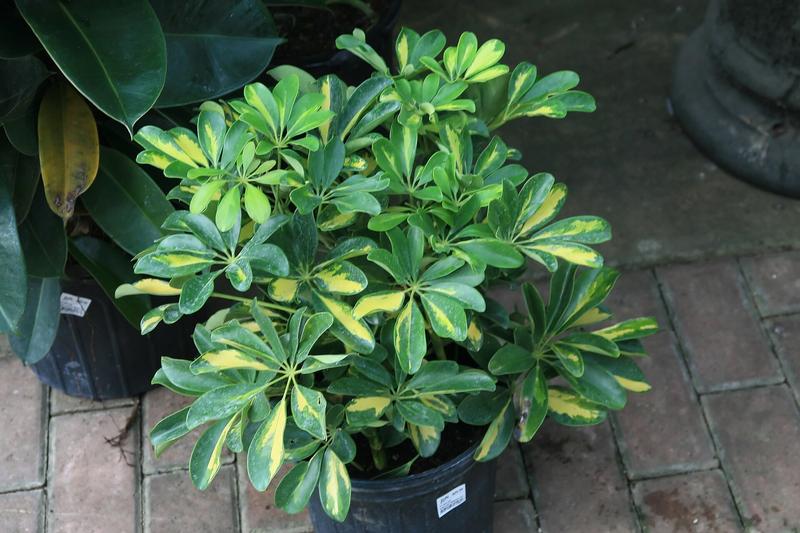
Quick facts
- Watering
- Weekly during growing season
- Sunlight
- Bright indirect light
- Soil
- Well-drained, peat-free multipurpose compost
- Humans
- Toxic
- Cats
- Toxic
- Dogs
- Toxic
- Height
- 90–250 cm
- Spread
- 60–120 cm
- Spacing
- 0 cm apart
- RHS recognition
- Award of Garden Merit
About Umbrella Tree
The Umbrella Tree is a popular evergreen houseplant native to Taiwan and Hainan, prized for its glossy, palmate leaves that radiate like umbrella spokes from central stems. In UK homes, it thrives as a compact, architectural specimen that tolerates a range of indoor conditions, making it ideal for beginners and experienced growers alike. Its tolerance of lower light and forgiving nature have made it a staple in British offices, conservatories, and living rooms since the 1980s. Mature plants can reach impressive heights indoors, though regular pruning keeps them bushy and manageable.
UK fact: The Umbrella Tree holds the RHS Award of Garden Merit and has become one of the most popular houseplants in British garden centres, particularly valued for its ability to thrive in centrally heated homes with relatively low humidity.
Watering Umbrella Tree
Water thoroughly when the top 3-5 cm of compost feels dry, typically once a week in spring and summer, reducing to fortnightly in autumn and winter when growth slows. UK tap water is generally suitable, though allowing it to stand overnight helps it reach room temperature. Ensure pots have drainage holes and never allow the plant to sit in water, as this quickly leads to root rot in the cool, damp conditions common in British homes during winter.
Sunlight requirements
Position in bright, indirect light away from direct sun, which can scorch the glossy leaves. North-facing or east-facing windowsills work well in UK homes, or a few metres back from south-facing windows. The plant tolerates lower light levels but growth will slow and variegated forms may lose their patterning.
Soil and feeding
Use a good-quality, peat-free multipurpose compost with added perlite or grit to improve drainage, aiming for a slightly acidic to neutral pH of 6.0-7.0. The compost should retain some moisture whilst allowing excess water to drain freely. Repot every two to three years in spring, moving up one pot size when roots fill the container, or top-dress larger specimens that are difficult to move.
Feed fortnightly from April to September with a balanced liquid houseplant fertiliser diluted to half strength. Reduce feeding to monthly in autumn and cease entirely during winter when growth is minimal and the plant's nutrient requirements drop significantly in lower UK light levels.
Pruning Umbrella Tree
Prune in spring to control size and encourage bushier growth by cutting stems back to just above a leaf node. Remove any leggy or bare stems entirely at the base, and pinch out growing tips on young plants to promote branching. Wear gloves when pruning as the sap can cause mild skin irritation in some individuals. Wipe tools with diluted disinfectant between cuts to prevent disease spread.
Propagating Umbrella Tree
Propagate from semi-ripe stem cuttings taken in spring or early summer, selecting healthy shoots 10-15 cm long with at least two sets of leaves. Remove the lower leaves and dip the cut end in hormone rooting powder before inserting into moist, well-drained compost or perlite. Cover with a clear plastic bag to maintain humidity and place in a warm spot out of direct sun; roots typically develop within four to six weeks. Air layering is also successful for larger stems, a useful technique for rejuvenating leggy specimens.
Common problems
Scale insects and red spider mite are the most common pests, particularly in warm, dry UK homes with central heating; regular misting and wiping leaves with a damp cloth helps prevent infestations. Aphids occasionally cluster on new growth in spring. Yellowing leaves usually indicate overwatering or poor drainage, whilst leaf drop can result from cold draughts, sudden temperature changes, or being moved frequently. Brown leaf tips often signal low humidity or fluoride in tap water; use rainwater or filtered water if this persists.
Spot a problem with your plant? Photograph the affected area using the Loam app and it will suggest the most likely cause and treatment.
Safety
- Humans
-
Toxic
Contains calcium oxalate crystals that can cause mouth and throat irritation, swelling, and digestive upset if ingested. Keep away from young children.
- Cats
-
Toxic
Contains calcium oxalate crystals causing oral irritation, drooling, vomiting, and difficulty swallowing if chewed or ingested.
- Dogs
-
Toxic
Contains calcium oxalate crystals causing oral irritation, excessive drooling, vomiting, and difficulty swallowing if chewed or ingested.
Toxicity information is for general guidance only. If a person or pet has been exposed to this plant and you are concerned, seek advice from a medical professional or vet.
Seasonal care calendar
Monthly care guide for Umbrella Tree in the UK, based on average conditions.
| Month | Care tasks |
|---|---|
| January | Reduce watering and avoid feeding. Keep away from cold draughts and radiators. |
| February | Continue minimal watering. Check for scale insects and spider mite in dry, heated rooms. |
| March | Resume normal watering as light levels increase. Begin monthly feeding towards month end. |
| April | Repot if rootbound. Prune to shape and take cuttings. Increase feeding to fortnightly. |
| May | Water weekly and feed fortnightly. Wipe leaves to remove dust and check for pests. |
| June | Continue regular watering and feeding. Ensure adequate humidity during warm spells. |
| July | Maintain watering schedule. Mist regularly if indoor temperatures are high. |
| August | Water and feed as needed. Take final cuttings before growth slows. |
| September | Reduce feeding to monthly. Begin reducing watering frequency as temperatures drop. |
| October | Water less frequently. Stop feeding by month end. Move away from cold windows. |
| November | Reduce watering to fortnightly. Avoid cold draughts as heating systems start up. |
| December | Water sparingly. Maintain stable temperatures and protect from draughts. |
Frequently asked questions
- Why is my Umbrella Tree dropping leaves?
- Leaf drop is usually caused by overwatering, cold draughts, or sudden changes in temperature or location. Check the compost isn't waterlogged, ensure the plant isn't near draughty windows or doors, and avoid moving it frequently. Gradual leaf loss on lower stems is normal as the plant matures.
- How do I know when my Umbrella Tree needs watering?
- Check the top 3-5 cm of compost with your finger; water when this feels dry to the touch. The Loam app can send personalised watering reminders based on your home conditions, pot size, and the season, taking the guesswork out of houseplant care.
- Can I grow an Umbrella Tree in a bathroom?
- Yes, bathrooms with good natural light make excellent locations as the higher humidity benefits the plant and reduces problems with spider mite. Ensure the room has a window providing bright, indirect light, and avoid positioning directly above radiators or in cold draughts from extractor fans.
Got a question about growing Umbrella Tree that isn't covered here? Ask the Garden Advisor in the Loam app. It knows your saved plants and local conditions.
Related plants
This page was compiled with AI assistance and reviewed by our team. .