Satin Pothos
Scindapsus pictus
Houseplants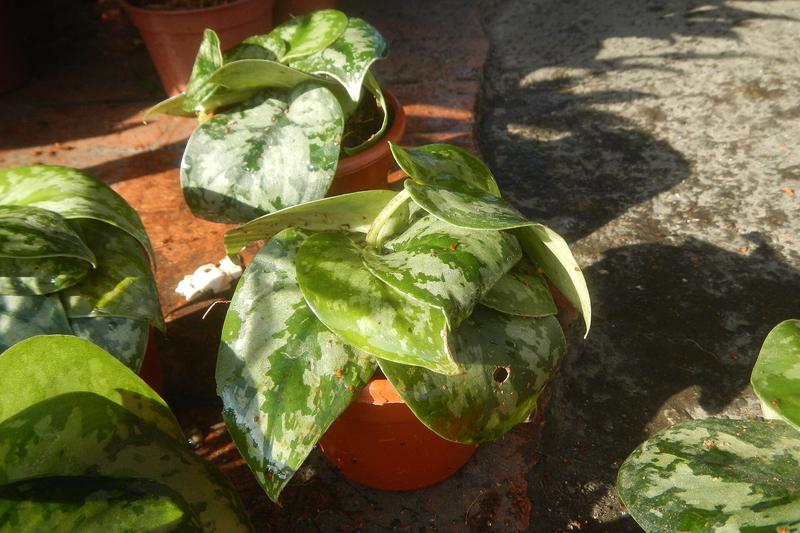
Quick facts
- Watering
- Weekly during growing season
- Sunlight
- Bright indirect light
- Soil
- Well-draining, peat-free houseplant compost
- Humans
- Toxic
- Cats
- Toxic
- Dogs
- Toxic
- Height
- 90–300 cm
- Spread
- 30–90 cm
- Spacing
- 0 cm apart
About Satin Pothos
Satin Pothos is a stunning trailing houseplant native to Southeast Asia, prized for its heart-shaped leaves adorned with silvery-grey variegation that gives them a satin-like sheen. This easy-going climber thrives in the moderate temperatures of UK homes, making it an ideal choice for brightening shelves, hanging baskets, or training up moss poles. Its tolerance of lower light levels and forgiving nature make it particularly popular with British houseplant enthusiasts seeking low-maintenance greenery. The attractive foliage provides year-round interest, adding a touch of tropical elegance to any indoor space.
UK fact: Satin Pothos has become increasingly popular in UK homes since the houseplant boom of the 2010s, with British plant collectors particularly valuing the 'Argyraeus' cultivar for its pronounced silver markings that show beautifully in the diffused light typical of British interiors.
Watering Satin Pothos
Water when the top 3-5 cm of compost feels dry to the touch, typically once a week during spring and summer. In the cooler, darker months of the British autumn and winter, reduce watering to every 10-14 days as growth slows. Always allow excess water to drain freely, as Satin Pothos is susceptible to root rot in waterlogged conditions. Use tepid water rather than cold tap water to avoid shocking the roots, and reduce frequency if your home is particularly cool or humid.
Sunlight requirements
Satin Pothos performs best in bright, indirect light, making it ideal for north-facing or east-facing windowsills in UK homes. Avoid direct sunlight, which can scorch the delicate variegated leaves and cause the silver markings to fade. It will tolerate lower light conditions, though growth will slow and variegation may become less pronounced in darker corners.
Soil and feeding
Use a well-draining, peat-free houseplant compost enriched with perlite or orchid bark to ensure good aeration around the roots. A mix of two parts multipurpose compost to one part perlite works well for UK conditions. The compost should retain some moisture whilst allowing excess water to drain freely, preventing the soggy conditions that lead to root rot. Satin Pothos prefers a slightly acidic to neutral pH of 6.0-7.0, which most commercial houseplant composts naturally provide.
Feed every 4-6 weeks during the growing season (April to September) with a balanced liquid houseplant fertiliser diluted to half strength. Avoid feeding during autumn and winter when growth naturally slows in response to reduced light levels. Over-feeding can cause salt build-up in the compost and lead to brown leaf tips.
Pruning Satin Pothos
Prune in spring or early summer to control size and encourage bushier growth, cutting just above a leaf node with clean, sharp scissors. Remove any yellowing or damaged leaves throughout the year to maintain appearance and plant health. Regular pinching out of growing tips will promote branching and create a fuller plant. Satin Pothos responds well to pruning and can be cut back quite hard if it becomes leggy or overgrown.
Propagating Satin Pothos
Satin Pothos propagates readily from stem cuttings taken in spring or summer. Cut 10-15 cm sections just below a node, ensuring each cutting has at least two leaves, and remove the lower leaf to expose the node. Place cuttings in water or directly into moist compost, keeping them warm (18-24°C) in bright, indirect light. Roots typically develop within 2-4 weeks in UK conditions, after which water-rooted cuttings can be potted into compost.
Common problems
Satin Pothos is relatively pest-free but can occasionally suffer from mealybugs, spider mites, or scale insects, particularly in dry, centrally heated UK homes during winter. Overwatering is the most common cultural problem, leading to yellowing leaves and root rot, whilst brown leaf tips often indicate low humidity or over-feeding. Leggy growth with loss of variegation suggests insufficient light, a common issue in British homes during the darker months. All parts of the plant are toxic if ingested, so keep away from curious pets and children.
Spot a problem with your plant? Photograph the affected area using the Loam app and it will suggest the most likely cause and treatment.
Safety
- Humans
-
Toxic
Contains calcium oxalate crystals which can cause mouth and throat irritation, swelling, and digestive discomfort if ingested. Keep out of reach of children.
- Cats
-
Toxic
Contains calcium oxalate crystals causing oral irritation, drooling, vomiting, and difficulty swallowing if chewed or ingested. Keep away from cats.
- Dogs
-
Toxic
Contains calcium oxalate crystals causing oral irritation, excessive drooling, vomiting, and difficulty swallowing if chewed or ingested. Keep away from dogs.
Toxicity information is for general guidance only. If a person or pet has been exposed to this plant and you are concerned, seek advice from a medical professional or vet.
Seasonal care calendar
Monthly care guide for Satin Pothos in the UK, based on average conditions.
| Month | Care tasks |
|---|---|
| January | Minimal watering required. Keep away from cold draughts and radiators. Check for pests in dry, heated rooms. |
| February | Continue minimal watering. Wipe dust from leaves to maximise light absorption during short days. |
| March | Gradually increase watering as light levels improve. Check if repotting is needed before active growth begins. |
| April | Resume regular watering and begin monthly feeding. Ideal time for repotting or taking cuttings. |
| May | Active growth period. Water regularly and feed every 4-6 weeks. Prune to shape if needed. |
| June | Peak growing season. Maintain regular watering and feeding schedule. Take cuttings for propagation. |
| July | Monitor for pests. Ensure adequate humidity during warm weather. Continue regular care routine. |
| August | Continue regular watering and feeding. Last opportunity for taking cuttings before autumn. |
| September | Reduce feeding frequency as growth slows. Begin to decrease watering slightly. |
| October | Stop feeding. Reduce watering as light levels drop. Move away from cold windows. |
| November | Minimal watering required. Ensure plant is in warmest, brightest available position. |
| December | Water sparingly. Protect from cold draughts and temperature fluctuations. Monitor for pests. |
Frequently asked questions
- Why are my Satin Pothos leaves turning yellow?
- Yellow leaves on Satin Pothos are most commonly caused by overwatering, particularly during the darker UK winter months when the plant needs less water. Allow the top few centimetres of compost to dry out between waterings, ensure good drainage, and reduce watering frequency in autumn and winter. Occasionally, yellowing can indicate a lack of nutrients, so resume feeding in spring if the plant hasn't been fed recently.
- How can I tell if my Satin Pothos needs watering?
- Check the top 3-5 cm of compost with your finger – if it feels dry, it's time to water. The Loam app can help you track watering schedules and send personalised reminders based on your home conditions and the season, taking the guesswork out of houseplant care and preventing both over and under-watering.
- Can Satin Pothos climb or does it only trail?
- Satin Pothos is naturally a climbing plant that uses aerial roots to attach to surfaces in its native habitat. In UK homes, it can be trained to climb a moss pole, trellis, or wall-mounted support, which often encourages larger leaf growth. Alternatively, it makes an excellent trailing plant for hanging baskets or shelves, where the cascading vines create an attractive display.
Got a question about growing Satin Pothos that isn't covered here? Ask the Garden Advisor in the Loam app. It knows your saved plants and local conditions.
Related plants
This page was compiled with AI assistance and reviewed by our team. .