Italian Buckthorn
Rhamnus alaternus
Shrubs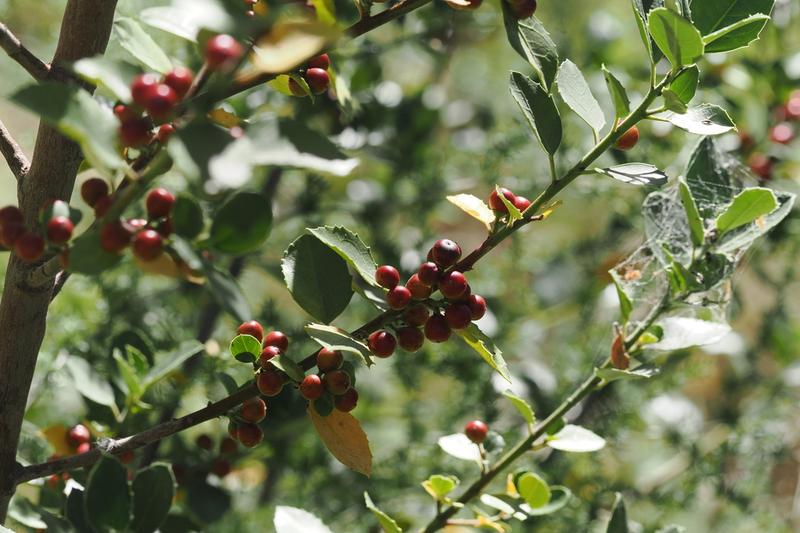
Quick facts
- Watering
- Fortnightly when established
- Sunlight
- Full sun to partial shade
- Soil
- Well-drained, alkaline to neutral
- Humans
- Toxic
- Cats
- Toxic
- Dogs
- Toxic
- Height
- 200–500 cm
- Spread
- 150–400 cm
- Spacing
- 100–150 cm apart
- RHS recognition
- Award of Garden Merit
About Italian Buckthorn
Italian Buckthorn is an evergreen Mediterranean shrub prized by UK gardeners for its glossy, dark green foliage and compact, bushy habit. Native to southern Europe and North Africa, it produces small greenish-yellow flowers in spring followed by red berries that ripen to black. Its tolerance of coastal conditions, pollution, and shade makes it an excellent choice for urban gardens, hedging, and sheltered borders throughout milder regions of Britain. The variegated cultivar 'Argenteovariegata' is particularly popular for adding year-round interest to mixed plantings.
UK fact: Italian Buckthorn has been cultivated in British gardens since the 16th century and thrives particularly well in coastal areas of Cornwall, Devon, and the south coast where it naturalises readily in mild microclimates.
Watering Italian Buckthorn
Water newly planted specimens weekly during their first growing season to establish a strong root system. Once established, Italian Buckthorn is remarkably drought-tolerant and typically requires watering only during prolonged dry spells in summer, approximately every two weeks. Container-grown plants need more frequent watering, particularly during hot weather. Avoid waterlogging, as this Mediterranean native prefers drier conditions once mature.
Sunlight requirements
Italian Buckthorn performs best in full sun but tolerates partial shade remarkably well, making it ideal for north-facing borders or beneath tree canopies. In shadier positions, growth may be slightly less dense but the foliage remains glossy and attractive. South or west-facing aspects in sheltered gardens produce the most vigorous growth and abundant berries.
Soil and feeding
Italian Buckthorn thrives in well-drained soils and is particularly suited to chalky or limestone-based ground, tolerating pH levels from 6.5 to 8.5. It adapts to most soil types including sandy, loamy, and even poor soils, but struggles in heavy clay unless drainage is improved with grit or organic matter. Good drainage is essential to prevent root rot, especially during wet British winters. Coastal gardens with free-draining sandy soils are ideal.
Apply a balanced slow-release fertiliser in early spring to encourage healthy growth and glossy foliage. Container-grown specimens benefit from monthly liquid feeding during the growing season from April to August. Established plants in the ground rarely require additional feeding if grown in reasonably fertile soil.
Pruning Italian Buckthorn
Prune Italian Buckthorn in late spring after flowering to maintain shape and encourage dense growth. It responds well to hard pruning and can be clipped into formal hedges or topiary, with trimming carried out two or three times during the growing season for neat hedging. Remove any frost-damaged shoots in April and thin out congested growth to improve air circulation. Wear gloves when pruning as all parts of the plant can cause skin irritation.
Propagating Italian Buckthorn
Italian Buckthorn propagates readily from semi-ripe cuttings taken in late summer (July to September). Take 10-15cm cuttings from the current season's growth, remove lower leaves, and insert into gritty compost in a cold frame or propagator. Rooting typically occurs within 6-8 weeks. Alternatively, sow fresh seed in autumn in a cold frame, though germination can be slow and erratic. Layering low-growing branches in spring is another reliable method for home gardeners.
Common problems
Italian Buckthorn is generally pest and disease-free, though aphids may occasionally colonise new growth in spring and can be controlled with insecticidal soap or by encouraging natural predators. Leaf spot fungi can appear in wet summers but rarely cause serious damage. The main issue in UK gardens is frost damage to young growth during severe winters, particularly in exposed positions; affected shoots should be pruned out in spring. Berries are mildly toxic and may cause stomach upset if consumed, so site carefully in gardens used by young children.
Spot a problem with your plant? Photograph the affected area using the Loam app and it will suggest the most likely cause and treatment.
Safety
- Humans
-
Toxic
All parts, especially the berries, contain anthraquinone glycosides that can cause vomiting, diarrhoea, and abdominal pain if ingested. Keep berries away from children.
- Cats
-
Toxic
Can cause gastrointestinal upset including vomiting and diarrhoea if berries or foliage are consumed. Cats rarely show interest but monitor if planted in areas they frequent.
- Dogs
-
Toxic
Berries and leaves can cause vomiting, diarrhoea, and abdominal discomfort if eaten. Most dogs avoid the plant but supervise curious puppies around fruiting specimens.
Toxicity information is for general guidance only. If a person or pet has been exposed to this plant and you are concerned, seek advice from a medical professional or vet.
Seasonal care calendar
Monthly care guide for Italian Buckthorn in the UK, based on average conditions.
| Month | Care tasks |
|---|---|
| January | No action needed; protect young plants from severe frost with fleece if temperatures drop below -10°C. |
| February | Check for frost damage and remove any dead or damaged shoots if weather permits. |
| March | Apply slow-release fertiliser around the base and mulch with compost or well-rotted manure. |
| April | Prune out any frost-damaged growth and watch for aphids on new shoots. |
| May | Enjoy the small greenish-yellow flowers; water newly planted specimens weekly. |
| June | Prune to shape after flowering; trim hedges for the first time this season. |
| July | Take semi-ripe cuttings for propagation; water during dry spells. |
| August | Continue taking cuttings; trim hedges for the second time if needed. |
| September | Red berries begin ripening to black; reduce watering as growth slows. |
| October | Plant new specimens while soil is still warm; berries provide autumn interest. |
| November | No action needed; evergreen foliage provides winter structure. |
| December | No action needed; glossy foliage brightens winter borders. |
Frequently asked questions
- Is Italian Buckthorn suitable for hedging in the UK?
- Yes, Italian Buckthorn makes an excellent evergreen hedge for mild UK regions, particularly in coastal areas. It tolerates clipping well and can be maintained at 1.5-2 metres tall. Trim two or three times during the growing season for a dense, formal appearance. It's particularly useful for sheltered urban gardens and thrives in pollution.
- Why are the leaves on my Italian Buckthorn turning brown?
- Brown leaves are usually caused by frost damage in winter or drought stress in summer. The Loam app can help you track local weather conditions and set watering reminders tailored to your garden's microclimate, ensuring your plant receives optimal care year-round.
- How quickly does Italian Buckthorn grow?
- Italian Buckthorn has a moderate growth rate, typically adding 20-30cm per year in favourable conditions. Young plants establish quickly in their first two seasons and reach a useful hedging height of 1.5 metres within 3-4 years. Growth is faster in full sun with good drainage and slower in shade or exposed positions.
Got a question about growing Italian Buckthorn that isn't covered here? Ask the Garden Advisor in the Loam app. It knows your saved plants and local conditions.
Related plants
This page was compiled with AI assistance and reviewed by our team. .