Purslane
Portulaca oleracea
Vegetables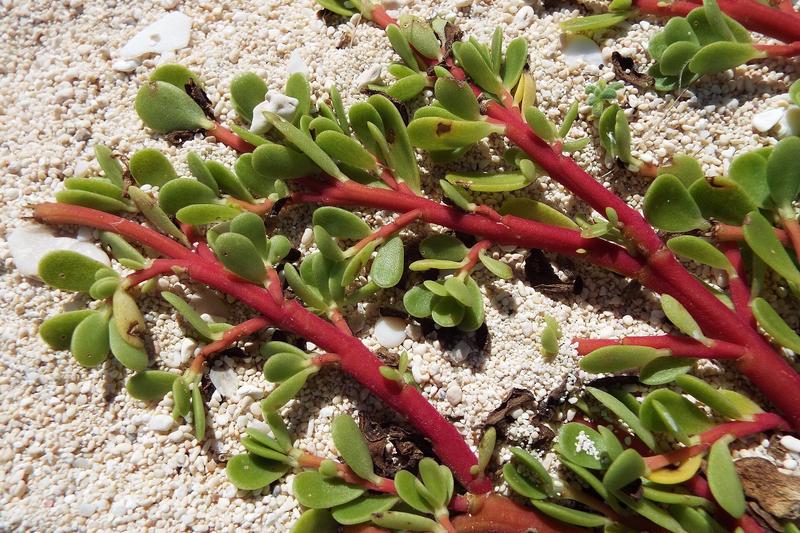
Quick facts
- Watering
- Weekly or when soil is dry
- Sunlight
- Full sun
- Soil
- Well-drained, sandy or loamy
- Humans
- Safe
- Cats
- Safe
- Dogs
- Safe
- Height
- 10–30 cm
- Spread
- 30–60 cm
- Spacing
- 15–20 cm apart
About Purslane
Purslane is a succulent annual vegetable with fleshy, paddle-shaped leaves and reddish stems that sprawl along the ground. Originally from India and Persia, it has naturalised across Britain and is increasingly grown by UK gardeners for its lemony, slightly peppery leaves rich in omega-3 fatty acids. The entire plant is edible, with tender shoots and leaves perfect for salads, stir-fries, and soups. Its drought tolerance and rapid growth make it an excellent low-maintenance crop for British summer gardens.
UK fact: Purslane has been found in archaeological excavations of medieval British gardens and was once a common potherb in Tudor England, though it fell out of favour until recent years when interest in foraged and heritage vegetables revived its popularity among UK growers.
Watering Purslane
As a succulent, purslane is highly drought-tolerant and requires minimal watering once established. Water weekly during dry spells, allowing the soil to dry out between waterings, as overwatering can lead to root rot and bland-tasting leaves. In typical British summers with regular rainfall, established plants may need no supplementary watering at all. Container-grown plants will need more frequent watering than those in the ground.
Sunlight requirements
Purslane thrives in full sun and requires at least six hours of direct sunlight daily to produce the best flavour and most succulent growth. In the UK, position in a south-facing spot or against a warm wall to maximise heat exposure. It tolerates partial shade but will grow more slowly and produce thinner, less flavourful leaves.
Soil and feeding
Purslane prefers poor to moderately fertile, well-drained soil and actually produces better flavour in lean conditions. It thrives in sandy or loamy soils with a pH of 5.5 to 7.0 and tolerates slightly alkaline conditions. Avoid heavy clay or overly rich soils, which can cause excessive leafy growth at the expense of flavour and increase susceptibility to fungal diseases in the UK's damp climate.
Purslane requires little to no feeding and actually performs better in poor soil. If growing in containers, a single application of diluted liquid seaweed fertiliser mid-season is sufficient. Avoid nitrogen-rich feeds, which produce lush but flavourless growth.
Pruning Purslane
Regular harvesting serves as pruning and encourages bushier, more productive growth. Pinch out the growing tips when plants reach 10-15 cm tall to promote branching. Harvest leaves and stems frequently, cutting back to just above a leaf node to stimulate fresh growth. Remove any flower buds as they appear to prolong the harvest period, though flowering signals the leaves are becoming more bitter.
Propagating Purslane
Purslane is easily grown from seed sown directly outdoors after all risk of frost has passed, typically from late May onwards in most of the UK. Sow seeds thinly on the soil surface and barely cover, as they need light to germinate, which takes 7-14 days in warm soil. Alternatively, start seeds indoors in modules 4-6 weeks before the last frost date and transplant out when soil has warmed. Purslane self-seeds readily, and plants often reappear the following year in mild areas or protected spots.
Common problems
Purslane is remarkably trouble-free and resistant to most pests and diseases. Slugs and snails may nibble young seedlings in damp British conditions, so protect with organic barriers or copper tape until plants are established. Overwatering or poorly drained soil can cause root rot and fungal issues, particularly during wet UK summers. Aphids occasionally colonise the succulent stems but are easily controlled with a strong spray of water or by encouraging natural predators like ladybirds.
Spot a problem with your plant? Photograph the affected area using the Loam app and it will suggest the most likely cause and treatment.
Safety
- Humans
- Safe
- Cats
- Safe
- Dogs
- Safe
Toxicity information is for general guidance only.
Seasonal care calendar
Monthly care guide for Purslane in the UK, based on average conditions.
| Month | Care tasks |
|---|---|
| January | No action needed. |
| February | No action needed. |
| March | Order seeds and prepare seed trays for indoor sowing later in the month in heated propagators. |
| April | Sow seeds indoors in modules at 18-21°C. Prepare outdoor beds by weeding and raking to a fine tilth. |
| May | Harden off indoor-sown plants. Direct sow outdoors from late May after last frosts. Thin seedlings to 15-20 cm spacing. |
| June | Continue sowing for succession. Begin harvesting leaves and stems from early sowings. Pinch out growing tips to encourage bushiness. |
| July | Harvest regularly to promote continuous growth. Make final sowings early in the month. Remove flower buds to prolong leaf production. |
| August | Continue regular harvesting. Water during prolonged dry spells. Allow a few plants to flower and set seed if you want self-sown plants. |
| September | Harvest remaining leaves before first frosts. Collect seeds from flowering plants for next year. Clear spent plants. |
| October | Clear any remaining plants after frost damage. Store collected seeds in a cool, dry place. |
| November | No action needed. |
| December | No action needed. |
Frequently asked questions
- Can you grow purslane in the UK?
- Yes, purslane grows very successfully in the UK as a warm-season annual vegetable. Sow seeds outdoors from late May after the last frosts, or start indoors in April for earlier crops. It thrives in sunny spots and tolerates poor soil, making it ideal for British gardens, though it won't survive winter frosts.
- How do I know when to harvest purslane and how often should I water it?
- Begin harvesting when plants reach 10-15 cm tall, cutting stems just above leaf nodes to encourage regrowth. The Loam app can send you personalised reminders for harvesting windows and watering schedules based on your local weather conditions, helping you achieve the best flavour and avoid overwatering this drought-tolerant plant.
- Why is my purslane flowering and does it affect the taste?
- Purslane flowers when stressed by heat, drought, or when reaching maturity, typically producing small yellow blooms. Once flowering begins, the leaves become more bitter and the plant's energy shifts to seed production. Pinch out flower buds as soon as they appear to prolong the harvest of tender, mild-flavoured leaves.
Got a question about growing Purslane that isn't covered here? Ask the Garden Advisor in the Loam app. It knows your saved plants and local conditions.
Related plants
This page was compiled with AI assistance and reviewed by our team. .