Amaranth
Amaranthus caudatus
Annuals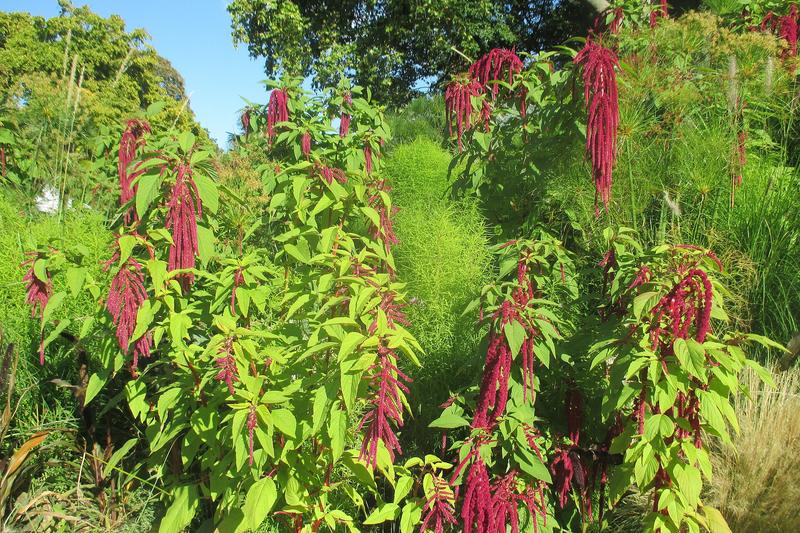
Quick facts
- Watering
- Weekly once established
- Sunlight
- Full sun
- Soil
- Well-drained, moderately fertile
- Humans
- Safe
- Cats
- Safe
- Dogs
- Safe
- Height
- 90–120 cm
- Spread
- 30–45 cm
- Spacing
- 30–45 cm apart
About Amaranth
Amaranth is a striking annual with dramatic, cascading tassels of deep crimson flowers that can reach 60cm in length, creating a theatrical display from midsummer to first frost. Native to South America, this heat-loving plant has been cultivated for centuries both as an ornamental and for its edible seeds and leaves. UK gardeners prize it for adding bold vertical interest to borders and containers, whilst its drought tolerance makes it increasingly valuable in warmer, drier summers. The long-lasting flower tassels also make excellent cut flowers and can be dried for winter arrangements.
UK fact: Amaranth was a popular Victorian bedding plant in British gardens, particularly favoured for its ability to thrive in the sooty, polluted air of industrial cities where many other ornamentals struggled.
Watering Amaranth
Water regularly during establishment, keeping soil evenly moist for the first 3-4 weeks after planting out. Once established, amaranth is remarkably drought-tolerant and requires watering only during prolonged dry spells, typically once weekly in hot weather. Overwatering can lead to root rot and reduced flowering, so err on the side of underwatering with mature plants. Container-grown specimens need more frequent watering, potentially twice weekly in summer.
Sunlight requirements
Amaranth requires full sun to produce its best flowering display and strongest stems. In the UK, position in a south or west-facing border where it will receive at least six hours of direct sunlight daily. Plants grown in partial shade become leggy, produce fewer flowers, and are more prone to flopping.
Soil and feeding
Amaranth thrives in well-drained soil of average to moderate fertility with a pH between 6.0 and 7.5. Avoid overly rich soils, which promote excessive leafy growth at the expense of flowers. Heavy clay soils should be improved with grit and organic matter to enhance drainage, as waterlogged conditions quickly prove fatal. Sandy or loamy soils are ideal, requiring minimal amendment.
Feed sparingly, as amaranth performs best in moderately fertile conditions. Apply a balanced liquid fertiliser at half strength once when flower tassels begin to form, typically in early July. Excessive feeding produces lush foliage but reduces the intensity of flower colour and can cause weak, floppy stems.
Pruning Amaranth
Amaranth requires minimal pruning beyond deadheading to prolong flowering, though many gardeners leave the tassels to develop for cutting or seed collection. Pinch out the growing tip when plants reach 15-20cm tall to encourage bushier growth and multiple flower spikes. Remove any damaged or diseased foliage promptly. At season's end, cut plants back to ground level before composting, or leave seed heads for birds if not concerned about self-seeding.
Propagating Amaranth
Sow seeds indoors in March or April, 6-8 weeks before the last expected frost, at 18-21°C in seed compost. Seeds germinate within 7-14 days and require light, so press them gently onto the surface rather than covering deeply. Prick out seedlings into individual 7cm pots when large enough to handle. Harden off gradually over 10-14 days before planting out after all frost risk has passed, typically late May or early June in most of the UK. Alternatively, direct sow outdoors in late May in milder regions, thinning seedlings to final spacing.
Common problems
Amaranth is relatively trouble-free but can suffer from aphid infestations on young growth, particularly in hot, dry conditions; treat with insecticidal soap or encourage natural predators. Slugs and snails may damage seedlings and young plants, requiring protection with organic pellets or barriers. Fungal leaf spots can occur in humid conditions with poor air circulation, so ensure adequate spacing and avoid overhead watering. Root rot develops in waterlogged soil, emphasised by wilting despite moist conditions, and is best prevented through proper drainage rather than treated.
Spot a problem with your plant? Photograph the affected area using the Loam app and it will suggest the most likely cause and treatment.
Safety
- Humans
- Safe
- Cats
- Safe
- Dogs
- Safe
Toxicity information is for general guidance only.
Seasonal care calendar
Monthly care guide for Amaranth in the UK, based on average conditions.
| Month | Care tasks |
|---|---|
| January | No action needed. |
| February | Order seeds for spring sowing. |
| March | Sow seeds indoors in modules or small pots at 18-21°C. |
| April | Continue indoor sowing. Prick out earlier seedlings into individual pots. Begin hardening off late-sown plants. |
| May | Harden off plants and plant out after last frost. Direct sow outdoors in milder regions from mid-month. |
| June | Plant out remaining seedlings. Water regularly during establishment. Pinch out growing tips to encourage bushiness. |
| July | Water during dry spells. Apply half-strength liquid feed as flower tassels begin to form. |
| August | Enjoy peak flowering. Cut tassels for fresh or dried arrangements. Water containers regularly. |
| September | Continue cutting flowers. Allow some tassels to mature for seed collection if desired. |
| October | Collect ripe seeds before first frost. Remove plants after frost damage or leave seed heads for birds. |
| November | Clear away spent plants and compost. Store collected seeds in a cool, dry place. |
| December | No action needed. |
Frequently asked questions
- When should I sow amaranth seeds in the UK?
- Sow amaranth seeds indoors in March or April, 6-8 weeks before your last expected frost date. In most of the UK, this means planting out in late May or early June once all frost risk has passed. In milder southern regions, you can direct sow outdoors from mid-May onwards.
- Why are my amaranth flowers not as vibrant as expected?
- Pale or disappointing flower colour often results from overly rich soil or excessive feeding, which promotes leafy growth over blooms. The Loam app can help you track your feeding schedule and soil conditions to achieve the deep crimson tassels amaranth is known for.
- Can I save amaranth seeds for next year?
- Yes, amaranth seeds are easy to save. Allow flower tassels to mature and dry on the plant until they feel papery, usually in September or early October. Cut the seed heads, hang them upside down in a paper bag to finish drying, then rub to release seeds. Store in a cool, dry place for up to three years.
Got a question about growing Amaranth that isn't covered here? Ask the Garden Advisor in the Loam app. It knows your saved plants and local conditions.
Related plants
This page was compiled with AI assistance and reviewed by our team. .