Phalaenopsis Orchid
Phalaenopsis
Houseplants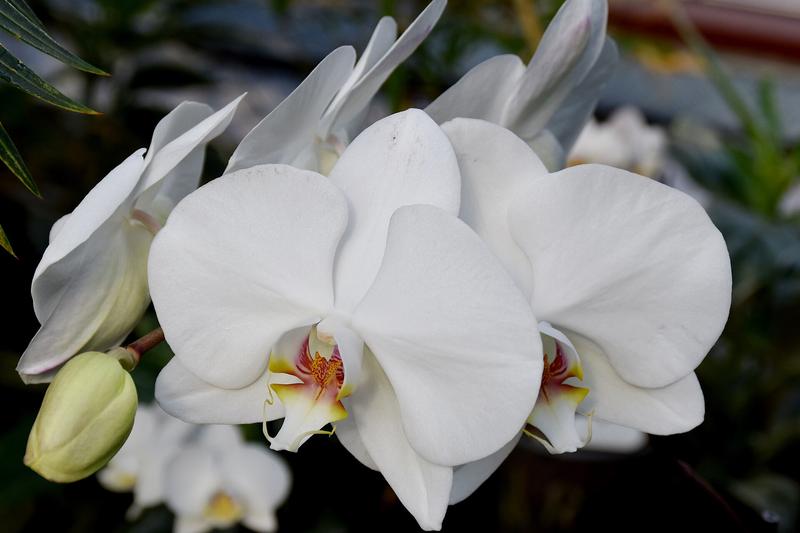
Quick facts
- Watering
- Weekly during growing season
- Sunlight
- Bright indirect light
- Soil
- Orchid bark mix, well-draining
- Humans
- Safe
- Cats
- Safe
- Dogs
- Safe
- Height
- 30–60 cm
- Spread
- 20–40 cm
- Spacing
- 25–35 cm apart
- RHS recognition
- Award of Garden Merit
About Phalaenopsis Orchid
Phalaenopsis orchids are elegant houseplants prized for their long-lasting, moth-like flowers that can bloom for several months. Native to tropical regions of Southeast Asia and Australia, these epiphytic orchids have adapted beautifully to indoor cultivation in UK homes. British gardeners favour them for their relatively easy care compared to other orchids, stunning blooms in white, pink, purple, and yellow, and ability to rebloom year after year with proper attention. Their arching flower spikes and broad, leathery leaves make them a sophisticated addition to any indoor plant collection.
UK fact: Phalaenopsis orchids have received multiple RHS Awards of Garden Merit, with cultivars such as Phalaenopsis 'Brother Lancer' recognised for their exceptional performance and reliability in British indoor growing conditions.
Watering Phalaenopsis Orchid
Allow the bark-based compost to almost dry out between waterings, checking by inserting a finger or wooden skewer into the medium. Water in the morning using tepid water, allowing it to drain completely through the pot—never let the orchid sit in standing water. In centrally heated UK homes during winter, humidity can drop significantly, so consider placing the pot on a tray of pebbles and water (ensuring the pot base sits above water level) or misting the leaves lightly in the morning. Reduce watering frequency after flowering and during the cooler months when growth slows.
Sunlight requirements
Position your orchid near an east-facing or north-facing window in the UK, where it will receive gentle morning light or consistent bright indirect light throughout the day. South-facing and west-facing windows can work during autumn and winter, but require sheer curtains or positioning 1-2 metres back from the glass during spring and summer to prevent leaf burn. Leaves should be light green; dark green indicates insufficient light, whilst reddish tints suggest too much direct sun.
Soil and feeding
Phalaenopsis orchids must never be planted in standard potting compost, as their roots require air circulation and will rot in dense, moisture-retentive media. Use a proprietary orchid bark mix, typically composed of medium-grade pine or fir bark with additions of perlite, charcoal, or sphagnum moss. The medium should be chunky and free-draining, with a slightly acidic pH of 5.5-6.5. Repot every 2-3 years or when the bark begins to decompose and compact, ideally in spring after flowering has finished.
Apply a balanced orchid fertiliser (such as 20-20-20) diluted to half the recommended strength every fortnight whilst the plant is actively growing and producing new leaves. During and after flowering, switch to a bloom-promoting formula higher in phosphorus. Reduce feeding to once monthly during winter when growth naturally slows in response to lower light levels.
Pruning Phalaenopsis Orchid
Once all flowers have faded, examine the spike carefully. If it remains green and healthy, cut it back to just above the second or third node (the small triangular bumps on the stem) from the base, which may produce a secondary flowering spike within 8-12 weeks. If the spike turns brown and withers, cut it back to the base using sterilised scissors or secateurs. Remove any yellowing or damaged leaves by cutting cleanly at the base. Dead or mushy roots should be trimmed away during repotting to maintain plant health.
Propagating Phalaenopsis Orchid
Home propagation of Phalaenopsis is challenging, as they do not readily produce offsets like some orchid genera. The most practical method for UK gardeners is to nurture keikis—small plantlets that occasionally develop on flower spikes, particularly on older plants or when spikes are treated with keiki paste. Once a keiki has developed at least three roots of 5-8cm length and two or three leaves, it can be carefully separated and potted independently. Division is not suitable for monopodial Phalaenopsis orchids, and tissue culture propagation requires laboratory conditions beyond most home growers.
Common problems
Phalaenopsis orchids are susceptible to root rot if overwatered or left in waterlogged compost, which manifests as yellowing leaves and mushy, brown roots. Scale insects and mealybugs can colonise leaf undersides and stem joints, appearing as small brown bumps or white cottony masses that should be removed with cotton buds dipped in methylated spirits. Crown rot, caused by water settling in the central growing point, is a serious fungal issue that can kill the plant—always water carefully and ensure good air circulation. Bud blast, where developing flower buds yellow and drop before opening, typically results from environmental stress such as temperature fluctuations, draughts, or sudden changes in location during the UK's unpredictable weather.
Spot a problem with your plant? Photograph the affected area using the Loam app and it will suggest the most likely cause and treatment.
Safety
- Humans
- Safe
- Cats
- Safe
- Dogs
- Safe
Toxicity information is for general guidance only.
Seasonal care calendar
Monthly care guide for Phalaenopsis Orchid in the UK, based on average conditions.
| Month | Care tasks |
|---|---|
| January | Reduce watering frequency as growth slows. Maintain temperatures above 16°C and ensure adequate humidity in centrally heated homes. Feed monthly only. |
| February | Continue minimal watering and feeding. Many plants will be in flower or developing buds. Avoid moving flowering plants to prevent bud drop. |
| March | As days lengthen, gradually increase watering frequency. Begin fortnightly feeding as new leaf growth may commence. Ideal time to repot after flowering finishes. |
| April | Resume regular watering schedule as temperatures rise. Repot if necessary, using fresh orchid bark. Increase feeding to every two weeks with balanced fertiliser. |
| May | Active growing period begins. Water weekly and feed fortnightly. Monitor for pests as warmer conditions encourage infestations. Ensure bright indirect light. |
| June | Maintain consistent watering and feeding regime. Protect from direct sunlight through south-facing windows. Increase humidity if weather is particularly warm. |
| July | Continue weekly watering and fortnightly feeding. Ensure good air circulation during warm spells. Plants may be moved outdoors to sheltered, shaded spots in mild regions. |
| August | Maintain summer care routine. Watch for dehydration during hot periods. Begin reducing feeding frequency towards month end as growth slows. |
| September | Bring any outdoor plants inside before temperatures drop. Reduce watering slightly as autumn approaches. Natural temperature drop between day and night encourages spike formation. |
| October | Watch for emerging flower spikes. Reduce feeding to monthly. Adjust watering as heating systems restart and humidity drops. Position away from radiators. |
| November | Flower spikes developing or buds forming. Water carefully to avoid crown rot. Maintain temperatures above 16°C. Feed monthly with bloom-promoting fertiliser. |
| December | Many plants in full bloom. Keep away from cold draughts and radiators. Water when medium is nearly dry. Provide humidity trays to counter dry indoor air. |
Frequently asked questions
- How do I know when to water my Phalaenopsis orchid?
- The best method is to check the potting medium by inserting your finger or a wooden skewer 5cm deep—if it feels dry, it's time to water. Alternatively, lift the pot; a light pot indicates dry medium. Roots visible through clear pots will appear silvery-grey when dry and turn green after watering. In UK conditions, this typically means watering weekly in summer and every 10-14 days in winter.
- Why are the leaves on my Phalaenopsis turning yellow?
- A single lower leaf yellowing and dropping occasionally is normal aging. However, multiple yellowing leaves typically indicate overwatering and root rot—check that roots are firm and silvery-green, not brown and mushy. Other causes include insufficient light, temperature stress, or natural leaf replacement. If you're unsure what's affecting your orchid, the Loam app can help diagnose the problem and provide personalised care advice to restore your plant's health.
- What potting mix should I use for Phalaenopsis orchids?
- Use a specialist orchid bark mix rather than standard compost, as Phalaenopsis are epiphytes that need excellent drainage and air circulation around their roots. A medium-grade bark (1-2cm pieces) is ideal for UK conditions, often mixed with perlite, charcoal, or sphagnum moss. Repot every 2-3 years when the bark breaks down and becomes compacted, typically in spring after flowering. Always use pots with drainage holes, and clear pots allow you to monitor root health easily.
Got a question about growing Phalaenopsis Orchid that isn't covered here? Ask the Garden Advisor in the Loam app. It knows your saved plants and local conditions.
Related plants
This page was compiled with AI assistance and reviewed by our team. .