Parahebe
Parahebe catarractae
Shrubs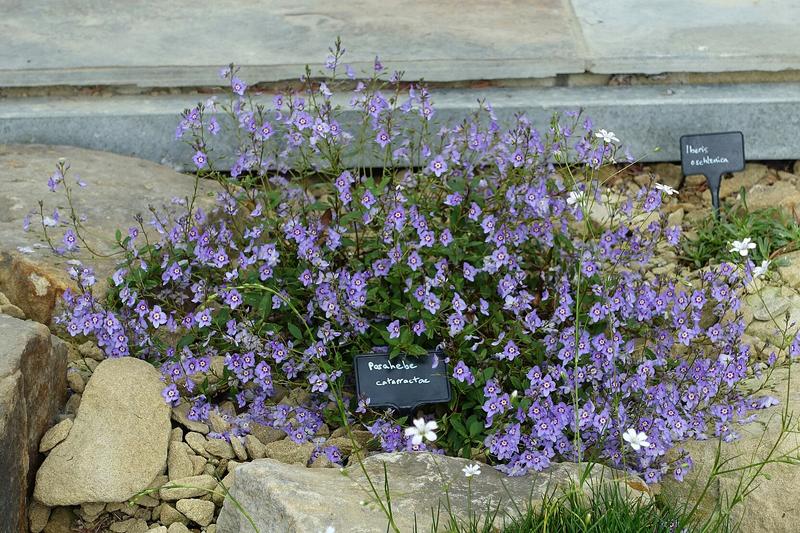
Quick facts
- Watering
- Weekly when establishing, then occasional
- Sunlight
- Full sun to partial shade
- Soil
- Well-drained, moderately fertile
- Humans
- Safe
- Cats
- Safe
- Dogs
- Safe
- Height
- 20–40 cm
- Spread
- 30–60 cm
- Spacing
- 30–45 cm apart
- RHS recognition
- Award of Garden Merit
About Parahebe
Parahebe is a compact evergreen shrub native to New Zealand, prized for its profusion of delicate white or pale blue flowers from late spring through summer. Growing to around 30cm tall with a spreading habit, it forms neat mounds of small, glossy green leaves that provide year-round interest. UK gardeners value this plant for rock gardens, alpine troughs, and front-of-border positions where its long flowering season and low-maintenance nature make it an excellent choice. Its tolerance of coastal conditions and ability to thrive in well-drained soils make it particularly suited to British gardens.
UK fact: Parahebe catarractae has been awarded the RHS Award of Garden Merit, recognising its excellent performance in UK gardens and its reliability as a long-flowering, low-maintenance shrub for rockeries and containers.
Watering Parahebe
Water regularly during the first growing season to establish a deep root system, typically once or twice weekly in dry weather. Once established, parahebe is relatively drought-tolerant and requires watering only during prolonged dry spells in summer. In containers, water more frequently as the compost dries out, checking every few days during warm weather. Avoid waterlogging, which can lead to root rot, particularly in winter.
Sunlight requirements
Parahebe performs best in full sun, which encourages the most abundant flowering, though it tolerates partial shade particularly in warmer southern regions. In the UK, a south or west-facing position is ideal, providing good light without excessive heat. Plants in shadier spots will produce fewer flowers but still maintain attractive foliage.
Soil and feeding
Parahebe thrives in well-drained soil and will not tolerate waterlogged conditions, making it ideal for raised beds, rockeries, and sloping sites. It adapts to most soil types including sandy, loamy, or chalky soils, preferring a neutral to slightly alkaline pH of 6.5-7.5. Improve heavy clay soils by incorporating grit or sharp sand to enhance drainage. In containers, use a loam-based compost such as John Innes No. 2 mixed with additional grit for optimal drainage.
Apply a balanced slow-release fertiliser in early spring to support healthy growth and flowering. Container-grown plants benefit from a liquid feed every 4-6 weeks during the growing season from April to August. Avoid over-feeding, which can promote soft growth at the expense of flowers.
Pruning Parahebe
Trim lightly after the main flowering flush in late summer to maintain a compact shape and encourage a second flush of blooms. Remove any frost-damaged growth in early spring once the risk of severe cold has passed. Deadheading spent flowers throughout the season prolongs the flowering period. Older plants can be rejuvenated by cutting back harder in spring, though this may reduce flowering that year.
Propagating Parahebe
Parahebe is easily propagated from semi-ripe cuttings taken in late summer (July to September). Take 5-8cm cuttings from non-flowering shoots, remove the lower leaves, and insert into a mix of equal parts peat-free compost and perlite or sharp sand. Place in a cold frame or unheated greenhouse, keeping the compost just moist, and roots should develop within 4-6 weeks. Alternatively, layer low-growing stems in spring by pegging them to the soil surface and severing once rooted. Division of established clumps is also possible in spring.
Common problems
Parahebe is generally pest and disease-free, making it a low-maintenance choice for UK gardens. Aphids may occasionally colonise new growth in spring and can be controlled by squashing by hand or using an organic insecticidal soap. The main cultural problem is root rot caused by poor drainage or waterlogged soil, particularly in heavy clay or during wet winters. Frost damage to foliage can occur in severe winters in colder regions, though plants usually recover with new growth in spring.
Spot a problem with your plant? Photograph the affected area using the Loam app and it will suggest the most likely cause and treatment.
Safety
- Humans
- Safe
- Cats
- Safe
- Dogs
- Safe
Toxicity information is for general guidance only.
Seasonal care calendar
Monthly care guide for Parahebe in the UK, based on average conditions.
| Month | Care tasks |
|---|---|
| January | No action needed. Protect from severe frost with fleece if temperatures drop below -10°C. |
| February | Check plants for frost damage but avoid pruning until risk of severe cold has passed. |
| March | Remove any frost-damaged growth. Apply slow-release fertiliser around the base of plants. |
| April | Water newly planted specimens regularly. Divide established clumps if required. |
| May | Flowering begins. Deadhead spent blooms to prolong display. Water during dry spells. |
| June | Peak flowering period. Continue deadheading and water containers regularly. |
| July | Flowering continues. Take semi-ripe cuttings for propagation. Feed container plants fortnightly. |
| August | Trim lightly after main flowering flush to encourage second bloom. Continue taking cuttings. |
| September | Final opportunity for taking cuttings. Reduce watering as growth slows. |
| October | Tidy plants by removing dead flowers and stems. Reduce watering frequency. |
| November | No action needed. Ensure good drainage around plants before winter. |
| December | No action needed. Protect container-grown plants from excessive winter wet. |
Frequently asked questions
- Why is my parahebe not flowering?
- Insufficient sunlight is the most common cause of poor flowering in parahebe. Ensure your plant receives at least 4-6 hours of direct sun daily. Over-feeding with high-nitrogen fertiliser can also promote leafy growth at the expense of flowers, so use a balanced feed. Finally, plants in excessively wet or poorly drained soil may struggle to flower, so improve drainage if necessary.
- How do I know when my parahebe needs watering?
- Check the soil moisture by inserting your finger 2-3cm below the surface; water when it feels dry. The Loam app can send you personalised watering reminders based on your local weather conditions and soil type, taking the guesswork out of parahebe care and helping you maintain the perfect moisture balance.
- Can parahebe survive winter in pots outdoors?
- Yes, parahebe can overwinter in containers outdoors in most of the UK, though plants are more vulnerable to frost damage than those in the ground. Move pots to a sheltered spot against a south-facing wall, raise them on pot feet to improve drainage, and protect from excessive winter wet by moving under eaves or covering with a cloche during prolonged rain.
Got a question about growing Parahebe that isn't covered here? Ask the Garden Advisor in the Loam app. It knows your saved plants and local conditions.
Related plants
This page was compiled with AI assistance and reviewed by our team. .