Oxalis
Oxalis triangularis
Perennials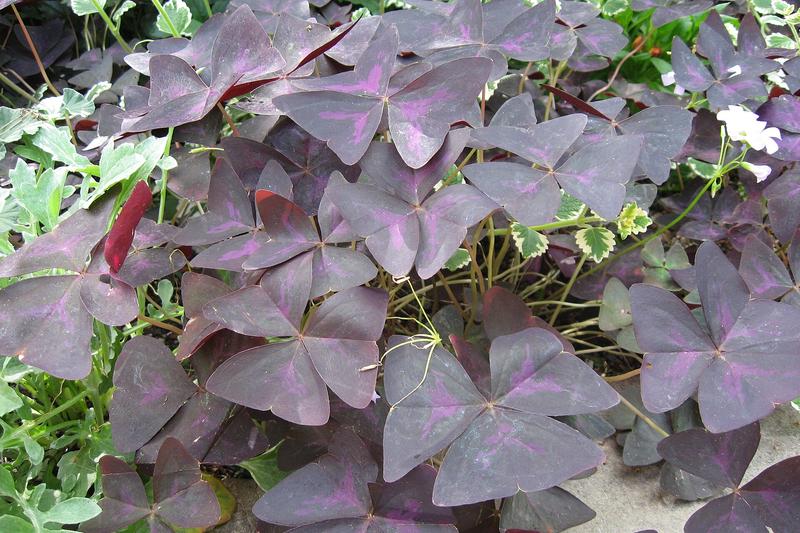
Quick facts
- Watering
- Weekly during growing season
- Sunlight
- Bright indirect light
- Soil
- Well-drained, peat-free multipurpose compost
- Humans
- Toxic
- Cats
- Toxic
- Dogs
- Toxic
- Height
- 15–25 cm
- Spread
- 20–30 cm
- Spacing
- 20–25 cm apart
- RHS recognition
- Award of Garden Merit
About Oxalis
Oxalis triangularis is a striking perennial grown for its deep purple, triangular leaves that fold closed at night, creating a dramatic display. Native to South America, this compact plant produces delicate pink or white flowers throughout summer and is equally at home as a houseplant or in sheltered outdoor containers. UK gardeners prize it for its architectural foliage and low-maintenance nature, making it ideal for adding year-round colour to shaded spots indoors or frost-free patios. The plant grows from small bulbs and can be easily divided to create new specimens.
UK fact: Oxalis triangularis received the RHS Award of Garden Merit in 2013, recognising its reliable performance in British growing conditions both as a conservatory plant and summer bedding subject in mild regions.
Watering Oxalis
Water moderately during the growing season from spring to autumn, allowing the top 2-3cm of compost to dry out between waterings. Reduce watering significantly in winter if the plant enters dormancy and the foliage dies back, keeping the bulbs just barely moist. Overwatering is the most common cause of failure, leading to bulb rot, so ensure pots have excellent drainage. In summer, plants may require watering twice weekly during hot spells, particularly if grown in terracotta pots which dry out quickly.
Sunlight requirements
Oxalis thrives in bright, indirect light when grown indoors, ideally near an east or north-facing window where it receives gentle morning or filtered light. Outdoors in the UK, position in partial shade or dappled sunlight, as intense midday sun can scorch the delicate leaves. Avoid deep shade, which causes the foliage to lose its vibrant purple colouration and become leggy.
Soil and feeding
Use a well-drained, peat-free multipurpose compost with added perlite or horticultural grit to improve drainage, as the bulbs are prone to rotting in waterlogged conditions. A slightly acidic to neutral pH of 6.0-7.0 is ideal. For container growing, ensure pots have drainage holes and consider adding a layer of crocks at the base. The compost should be moisture-retentive but never soggy, striking a balance between holding enough water for the shallow root system whilst preventing bulb rot.
Feed fortnightly with a balanced liquid fertiliser diluted to half strength during the growing season from April to September. Cease feeding in autumn and winter when growth slows or the plant enters dormancy, as excess nutrients can damage dormant bulbs.
Pruning Oxalis
Remove spent flowers and yellowing leaves regularly throughout the growing season to maintain a tidy appearance and encourage further blooms. If the plant becomes leggy or untidy, cut back the entire foliage to soil level; new growth will emerge from the bulbs within a few weeks. In autumn, allow the foliage to die back naturally if the plant enters dormancy, then remove the dead leaves once fully brown. No other pruning is required, as oxalis naturally maintains a compact, mounded habit.
Propagating Oxalis
Oxalis triangularis is easily propagated by division of the small bulbs in early spring as new growth begins. Carefully remove the plant from its pot and gently separate the bulbs, ensuring each division has at least one growing point. Replant bulbs 2-3cm deep in fresh compost, spacing them 5-8cm apart, and water lightly until new growth appears. Alternatively, bulbs can be stored dry over winter in a cool, frost-free location and replanted in spring for outdoor summer displays.
Common problems
Oxalis is generally pest-free but can occasionally attract aphids on new growth and flower stems, particularly when grown indoors; treat with insecticidal soap or wipe off manually. Overwatering is the primary cultural problem, causing bulb rot and yellowing leaves; ensure excellent drainage and reduce watering if symptoms appear. Spider mites may appear in dry indoor conditions, indicated by fine webbing and stippled leaves; increase humidity and treat with horticultural soap. The plant naturally enters dormancy in winter, with foliage dying back completely, which is normal behaviour rather than a problem; simply reduce watering and allow the bulbs to rest until spring regrowth begins.
Spot a problem with your plant? Photograph the affected area using the Loam app and it will suggest the most likely cause and treatment.
Safety
- Humans
-
Toxic
Contains oxalic acid which can cause mouth irritation, nausea and kidney problems if ingested in quantity. Keep away from children.
- Cats
-
Toxic
Contains soluble oxalates that can cause drooling, vomiting, and kidney damage. Seek veterinary attention if ingested.
- Dogs
-
Toxic
Contains soluble oxalates that can cause drooling, vomiting, tremors and kidney damage. Seek veterinary attention if ingested.
Toxicity information is for general guidance only. If a person or pet has been exposed to this plant and you are concerned, seek advice from a medical professional or vet.
Seasonal care calendar
Monthly care guide for Oxalis in the UK, based on average conditions.
| Month | Care tasks |
|---|---|
| January | Plant may be dormant with no foliage; keep bulbs barely moist in frost-free conditions. |
| February | Watch for new growth emerging from bulbs; gradually increase watering as shoots appear. |
| March | Divide and repot overcrowded bulbs as new growth begins; resume regular watering. |
| April | Begin fortnightly feeding as foliage develops; move outdoors to sheltered spot after last frosts. |
| May | Maintain regular watering and feeding; deadhead spent flowers to encourage more blooms. |
| June | Peak flowering period; water more frequently in warm weather and continue feeding. |
| July | Continue regular watering and feeding; remove yellowing leaves and spent flowers. |
| August | Maintain watering schedule during warm weather; deadhead regularly for continuous blooms. |
| September | Reduce feeding frequency; bring outdoor containers inside before first frosts. |
| October | Stop feeding; reduce watering as growth slows and foliage may begin to die back. |
| November | Allow foliage to die back naturally if entering dormancy; water sparingly. |
| December | Keep dormant bulbs barely moist in frost-free conditions; remove dead foliage. |
Frequently asked questions
- Why are my oxalis leaves closing during the day?
- Oxalis leaves naturally fold closed in response to darkness, extreme heat, or drought stress. If closing during the day, the plant may be too hot, receiving insufficient water, or experiencing stress. Move to a cooler spot with bright indirect light and check the compost isn't bone dry. The leaves should reopen once conditions improve, typically within a few hours.
- How do I know when to water my oxalis?
- Check the top 2-3cm of compost with your finger; water when this feels dry to the touch but before the plant wilts. The Loam app can send personalised watering reminders based on your plant's location, pot size, and current weather conditions, taking the guesswork out of care and helping you establish the perfect routine for your specific environment.
- Can I grow oxalis outdoors in the UK year-round?
- Oxalis triangularis is not frost-hardy and cannot survive UK winters outdoors. Grow it as a houseplant year-round, or move containers outside to sheltered patios from late May to September once all frost risk has passed. Always bring plants back indoors before the first autumn frosts, typically by late September in most UK regions.
Got a question about growing Oxalis that isn't covered here? Ask the Garden Advisor in the Loam app. It knows your saved plants and local conditions.
Related plants
This page was compiled with AI assistance and reviewed by our team. .