Nectaroscordum
Nectaroscordum siculum
Bulbs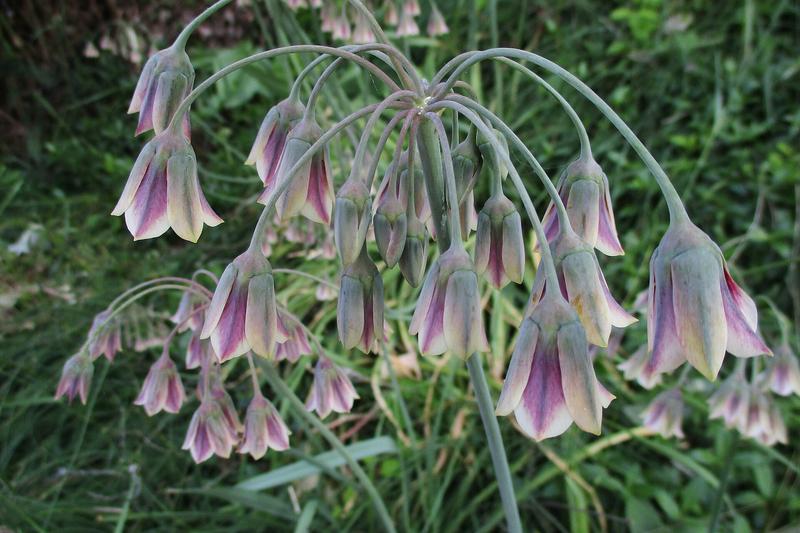
Quick facts
- Watering
- Minimal once established
- Sunlight
- Full sun to partial shade
- Soil
- Well-drained, moderately fertile
- Humans
- Toxic
- Cats
- Toxic
- Dogs
- Toxic
- Height
- 90–120 cm
- Spread
- 10–15 cm
- Spacing
- 15–20 cm apart
- RHS recognition
- Award of Garden Merit
About Nectaroscordum
Nectaroscordum is a striking ornamental bulb native to southern Europe, producing tall stems topped with elegant, nodding bell-shaped flowers in cream, pink and green during late spring and early summer. The architectural seed heads that follow are equally attractive, persisting well into autumn and providing structural interest in borders. UK gardeners prize this easy-going bulb for its ability to naturalise in mixed borders and cottage gardens, adding height and movement without demanding attention.
UK fact: Nectaroscordum siculum subsp. bulgaricum holds the RHS Award of Garden Merit and has become a favourite in British cottage gardens, where it self-seeds gently to create drifts that complement traditional herbaceous perennials without becoming invasive.
Watering Nectaroscordum
Water newly planted bulbs during their first autumn if conditions are dry, but established clumps are remarkably drought-tolerant and rarely need supplementary watering in the UK climate. During the growing season from spring to early summer, natural rainfall is usually sufficient. Avoid overwatering during the dormant period from midsummer onwards, as bulbs prefer dry conditions when resting and excessive moisture can lead to rot.
Sunlight requirements
Nectaroscordum performs best in full sun but tolerates partial shade, making it versatile for UK gardens with varying light conditions. In southern England, some afternoon shade can help prolong the flowering period. Plant in borders that receive at least four hours of direct sunlight, avoiding deep shade under trees where bulbs may become drawn and fail to flower.
Soil and feeding
Nectaroscordum thrives in well-drained soil and will not tolerate waterlogged conditions, particularly during winter dormancy. It adapts to most soil types including clay, provided drainage is adequate—consider adding grit or planting on a slight slope if your soil is heavy. The bulbs prefer neutral to slightly alkaline conditions (pH 6.5-7.5) and perform well in the chalky soils common across southern England. Avoid very rich, moisture-retentive soils which can cause soft growth and reduce flowering.
Apply a balanced granular fertiliser or bone meal when planting bulbs in autumn to encourage strong root development. In spring, as shoots emerge, a light dressing of general-purpose fertiliser will support flowering, but avoid high-nitrogen feeds which promote foliage at the expense of blooms. Established clumps rarely need feeding and will naturalise happily in moderately fertile soil without supplementary nutrition.
Pruning Nectaroscordum
Deadhead spent flowers if you wish to prevent self-seeding, though many gardeners leave the attractive seed heads to develop for autumn interest and to allow gentle naturalisation. Allow foliage to die back naturally after flowering—resist the temptation to cut it down whilst still green, as the leaves are needed to replenish the bulb for next year's display. Once foliage has yellowed completely in midsummer, it can be removed or left to disappear naturally into the border. No other pruning is required.
Propagating Nectaroscordum
Nectaroscordum propagates readily from seed, often self-seeding in favourable conditions to form naturalised drifts over several years—seedlings typically flower in their third or fourth year. Collect ripe seed from the papery capsules in late summer and sow fresh in pots of gritty compost, overwintering in a cold frame. Established clumps can be divided in autumn when dormant, carefully separating offset bulbs and replanting immediately at the same depth. Division is less common than seed propagation, as the bulbs prefer to be left undisturbed once established.
Common problems
Nectaroscordum is largely trouble-free in UK gardens, with few serious pest or disease issues. Slugs and snails may damage emerging shoots in spring, particularly in wet seasons—use organic controls or barriers if damage is severe. The bulbs have a mild onion scent when bruised, which generally deters deer and rabbits. Narcissus bulb fly can occasionally affect bulbs, causing them to rot—inspect any soft or non-flowering bulbs and destroy affected specimens. In poorly drained soil, bulb rot may occur during wet winters, so ensure adequate drainage at planting time.
Spot a problem with your plant? Photograph the affected area using the Loam app and it will suggest the most likely cause and treatment.
Safety
- Humans
-
Toxic
All parts of Nectaroscordum contain compounds similar to those in Allium species and may cause stomach upset if ingested. Handle bulbs with care and wash hands after planting.
- Cats
-
Toxic
Contains compounds toxic to cats, potentially causing gastrointestinal upset and, in larger quantities, damage to red blood cells. Keep cats away from bulbs and plant material.
- Dogs
-
Toxic
Contains compounds toxic to dogs, potentially causing gastrointestinal upset and, in larger quantities, damage to red blood cells. Keep dogs away from bulbs and plant material.
Toxicity information is for general guidance only. If a person or pet has been exposed to this plant and you are concerned, seek advice from a medical professional or vet.
Seasonal care calendar
Monthly care guide for Nectaroscordum in the UK, based on average conditions.
| Month | Care tasks |
|---|---|
| January | No action needed; bulbs dormant underground. |
| February | No action needed; bulbs dormant underground. |
| March | Watch for emerging shoots; apply balanced fertiliser as growth begins. |
| April | Protect emerging foliage from slugs and snails; stake tall stems if needed in exposed sites. |
| May | Enjoy the flowering display; water during prolonged dry spells. |
| June | Flowering continues; deadhead if preventing self-seeding, or leave seed heads to develop. |
| July | Allow foliage to die back naturally; collect ripe seed if propagating. |
| August | Remove yellowed foliage once completely died back; sow fresh seed in pots. |
| September | Plant new bulbs 10-15cm deep; divide established clumps if needed. |
| October | Continue planting bulbs until mid-month; apply bone meal when planting. |
| November | No action needed; bulbs establishing roots underground. |
| December | No action needed; bulbs dormant underground. |
Frequently asked questions
- When should I plant Nectaroscordum bulbs in the UK?
- Plant Nectaroscordum bulbs in autumn, ideally between September and mid-October, at a depth of 10-15cm in well-drained soil. This timing allows bulbs to establish roots before winter and flower the following late spring.
- Why isn't my Nectaroscordum flowering?
- Non-flowering can result from planting too shallowly, excessive shade, overcrowding, or bulbs being too young (seedlings take 3-4 years to flower). The Loam app can help diagnose your specific conditions and send timely reminders for feeding and dividing to encourage blooms.
- Is Nectaroscordum invasive in UK gardens?
- Nectaroscordum self-seeds gently but is not considered invasive in the UK. It naturalises to form attractive drifts without overwhelming other plants. Deadhead after flowering if you prefer to control spread, or allow seed heads to develop for autumn interest and gradual colonisation.
Got a question about growing Nectaroscordum that isn't covered here? Ask the Garden Advisor in the Loam app. It knows your saved plants and local conditions.
Related plants
This page was compiled with AI assistance and reviewed by our team. .