Mangetout
Pisum sativum var. saccharatum
Vegetables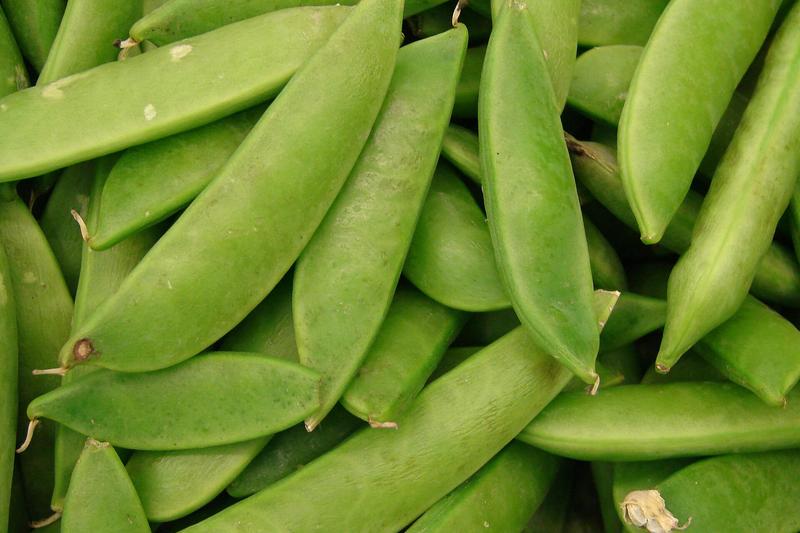
Quick facts
- Watering
- Weekly, more when flowering
- Sunlight
- Full sun to partial shade
- Soil
- Well-drained, moisture-retentive, fertile
- Humans
- Safe
- Cats
- Safe
- Dogs
- Safe
- Height
- 60–180 cm
- Spread
- 15–30 cm
- Spacing
- 5–8 cm apart
About Mangetout
Mangetout is a flat-podded pea variety grown for its tender, edible pods that are harvested before the peas inside fully develop. Originating from the Mediterranean and Central Asia, this climbing annual has been cultivated in British kitchen gardens since the 17th century. UK gardeners prize mangetout for their sweet flavour, prolific cropping, and ability to thrive in our cool spring climate. The delicate white or purple flowers are followed by crisp, bright green pods that are perfect for stir-fries and salads.
UK fact: Mangetout became fashionable in British cuisine during the 1980s nouvelle cuisine movement, though they had been grown in aristocratic kitchen gardens since the Stuart period, where they were known as 'sugar peas'.
Watering Mangetout
Mangetout require consistent moisture throughout the growing season, with particular attention needed once flowering begins. Water deeply once or twice weekly during dry spells, providing approximately 2.5 cm of water per week. During flowering and pod development, increase watering frequency to maintain evenly moist soil, as drought stress causes poor pod set and stringy, bitter pods. Avoid overhead watering in humid conditions to reduce the risk of powdery mildew, instead watering at the base of plants in the morning.
Sunlight requirements
Position mangetout in a sunny, sheltered spot receiving at least six hours of direct sunlight daily for optimal pod production. In southern England, light afternoon shade can be beneficial during hot spells to extend the cropping period. North-facing positions should be avoided as they delay flowering and reduce yields, though east or west-facing sites work well across most of the UK.
Soil and feeding
Prepare beds by incorporating well-rotted compost or manure several weeks before sowing, ensuring good drainage as waterlogged conditions cause root rot. Mangetout prefer a neutral to slightly alkaline soil with a pH of 6.5–7.5; lime acidic soils in autumn if necessary. Being legumes, they fix their own nitrogen, so avoid over-feeding with nitrogen-rich fertilisers which promote leafy growth at the expense of pods. Heavy clay soils benefit from added horticultural grit and organic matter to improve structure and drainage.
Apply a balanced general-purpose fertiliser such as Growmore at 70g per square metre when preparing the soil before sowing. As legumes, mangetout fix atmospheric nitrogen through root nodules, so additional nitrogen feeding is unnecessary and counterproductive. If plants show signs of nutrient deficiency on poor soils, apply a light top-dressing of potash-rich fertiliser when flowering begins to support pod development.
Pruning Mangetout
Mangetout require minimal pruning, though pinching out the growing tips when plants reach 120–150 cm encourages lateral branching and increases pod yield. Remove any yellowing lower leaves to improve air circulation and reduce disease risk, particularly in damp conditions. Regularly harvest mature pods every 2–3 days to encourage continuous production; leaving pods to mature signals the plant to stop flowering. At season's end, cut plants at ground level rather than pulling them up, leaving nitrogen-rich roots to decompose and enrich the soil.
Propagating Mangetout
Sow mangetout seeds directly into prepared soil from late March onwards when soil temperature reaches at least 10°C, or start earlier crops in modules under cover from February. Direct sowing is generally more successful as mangetout dislike root disturbance, though module-raised plants can be transplanted carefully if potted on before roots become pot-bound. Successional sowings every three weeks until late June ensure a continuous harvest from May through September. Pre-soaking seeds overnight improves germination rates, particularly in cooler spring conditions.
Common problems
Pea moth is the most troublesome pest, with larvae tunnelling into pods; avoid by sowing early or late to miss the June–August flight period, or protect with insect-proof mesh. Powdery mildew commonly affects plants in dry conditions, particularly later in the season; maintain consistent soil moisture and ensure good air circulation. Pea and bean weevil notch leaf edges but rarely cause serious damage, whilst aphids can colonise growing tips and spread viruses. Birds, particularly pigeons, and mice can devastate sowings and young plants, so protection with netting or cloches is essential until plants are well established.
Spot a problem with your plant? Photograph the affected area using the Loam app and it will suggest the most likely cause and treatment.
Safety
- Humans
- Safe
- Cats
- Safe
- Dogs
- Safe
Toxicity information is for general guidance only.
Seasonal care calendar
Monthly care guide for Mangetout in the UK, based on average conditions.
| Month | Care tasks |
|---|---|
| January | No action needed. Plan crop rotation and order seeds for spring sowing. |
| February | Sow seeds in modules under cover for early crops. Prepare outdoor beds when conditions allow. |
| March | Sow directly outdoors from late March in milder regions. Transplant module-grown seedlings. Erect supports and protect from birds. |
| April | Continue direct sowing outdoors. Transplant remaining module-grown plants. Water during dry spells and protect from pests. |
| May | Make final sowings for late summer crops. Begin harvesting early sowings. Water regularly and guide plants up supports. |
| June | Harvest pods regularly every 2–3 days. Water frequently during flowering. Protect from pea moth with mesh if necessary. |
| July | Continue regular harvesting to encourage production. Water daily in hot weather. Monitor for powdery mildew and aphids. |
| August | Harvest remaining pods from late sowings. Water consistently to prevent stress and extend cropping period. |
| September | Harvest final pods. Cut plants at ground level, leaving roots to enrich soil. Clear supports and debris. |
| October | No action needed. Clear any remaining plant material and add to compost heap. |
| November | No action needed. Plan next year's crop rotation to avoid growing peas in the same spot. |
| December | No action needed. Review the season and select varieties for next year. |
Frequently asked questions
- When should I sow mangetout in the UK?
- Sow mangetout outdoors from late March to June once soil temperature reaches 10°C, or start earlier crops in modules under cover from February. Successional sowings every three weeks ensure continuous harvests from May through September.
- Why are my mangetout plants turning yellow and wilting?
- Yellowing and wilting can indicate several issues including root rot from waterlogged soil, pea wilt disease, or nutrient deficiency. Check soil drainage and reduce watering if soggy. For accurate diagnosis of disease symptoms and personalised treatment advice, the Loam app can analyse photos of affected plants and provide specific care recommendations based on your growing conditions.
- What soil conditions do mangetout need to grow well?
- Mangetout thrive in well-drained, moisture-retentive soil with a pH of 6.0–7.5. Dig in well-rotted compost or manure the autumn before planting, but avoid excessive nitrogen which promotes leafy growth at the expense of pods. Being legumes, mangetout fix their own nitrogen, so don't require high-nitrogen fertilisers. Ensure good drainage as waterlogged conditions cause root diseases.
Got a question about growing Mangetout that isn't covered here? Ask the Garden Advisor in the Loam app. It knows your saved plants and local conditions.
Related plants
This page was compiled with AI assistance and reviewed by our team. .