Asparagus Pea
Lotus tetragonolobus
Vegetables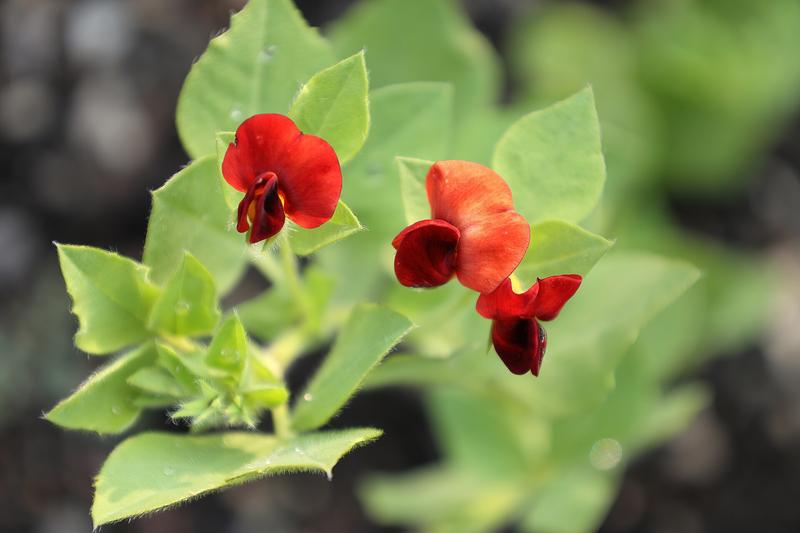
Quick facts
- Watering
- Weekly, more when flowering
- Sunlight
- Full sun
- Soil
- Well-drained, light, moderately fertile
- Humans
- Safe
- Cats
- Unknown
- Dogs
- Unknown
- Height
- 30–45 cm
- Spread
- 40–60 cm
- Spacing
- 30–40 cm apart
About Asparagus Pea
Asparagus pea is a low-growing annual legume producing distinctive four-winged pods with a delicate asparagus-like flavour when harvested young. Native to the Mediterranean region, this unusual vegetable has been grown in British kitchen gardens since the 18th century. UK gardeners prize it as a dual-purpose crop, with both attractive crimson flowers and edible pods that add novelty to summer salads and stir-fries. The sprawling plants reach just 30–45 cm tall, making them ideal for containers or the front of vegetable beds.
UK fact: Asparagus pea was particularly popular in Victorian walled gardens across Britain, where head gardeners grew it as a curiosity for the dining table, though it fell from favour in the 20th century and is now experiencing a revival among heritage vegetable enthusiasts.
Watering Asparagus Pea
Water regularly during establishment and increase frequency once flowering begins, as moisture stress during pod formation reduces yields and causes stringy pods. In typical UK summers, weekly watering is sufficient, but during dry spells increase to twice weekly, particularly for container-grown plants. Apply water at the base to keep foliage dry and reduce disease risk. Mulching around plants helps retain soil moisture and keeps roots cool.
Sunlight requirements
Asparagus pea requires a warm, sheltered position in full sun to thrive in the UK climate. South-facing beds or borders provide the best conditions, with protection from cold winds essential for good pod production. In cooler northern regions, growing against a sunny wall or in a polytunnel significantly improves yields.
Soil and feeding
Asparagus pea performs best in light, well-drained soil with a pH of 6.0–7.0, similar to other legumes. Heavy clay soils should be improved with grit and organic matter to prevent waterlogging, which causes root rot. Avoid over-rich soils as excessive nitrogen promotes leafy growth at the expense of flowers and pods. Sandy or loamy soils are ideal, and container cultivation in multipurpose compost with added perlite works well.
As a legume, asparagus pea fixes its own nitrogen and requires minimal feeding. A light application of general-purpose fertiliser at planting time is sufficient, or use a potassium-rich tomato feed fortnightly once flowering begins to encourage pod production. Avoid high-nitrogen feeds which produce excessive foliage.
Pruning Asparagus Pea
No pruning is required for asparagus pea. Regular harvesting of young pods (when 2–3 cm long) encourages continuous flowering and further pod production throughout summer. Remove any diseased or damaged foliage promptly to maintain plant health. At season's end, plants can be composted or left to self-seed in mild areas, though seedlings rarely survive UK winters.
Propagating Asparagus Pea
Asparagus pea is grown from seed sown directly outdoors after all frost risk has passed, typically late May to early June in most of the UK. Sow seeds 2 cm deep and 30–40 cm apart in pre-warmed soil, or start indoors in modules during April for earlier crops, transplanting carefully as they dislike root disturbance. Germination occurs within 10–14 days at soil temperatures above 15°C. For extended harvests, make successive sowings every three weeks until mid-July.
Common problems
Asparagus pea is relatively trouble-free but can suffer from aphid infestations on young growth, particularly during warm, dry spells. Slugs and snails may damage seedlings, requiring protection with organic pellets or barriers. Powdery mildew can affect plants in late summer, especially in dry conditions with poor air circulation, though this rarely impacts yields significantly. The main cultural problem in the UK is cold, wet weather during flowering, which reduces pollination and pod set.
Spot a problem with your plant? Photograph the affected area using the Loam app and it will suggest the most likely cause and treatment.
Safety
- Humans
- Safe
- Cats
-
Unknown
No specific toxicity data available for cats. As with all legumes, monitor pets and consult a vet if ingestion occurs.
- Dogs
-
Unknown
No specific toxicity data available for dogs. As with all legumes, monitor pets and consult a vet if ingestion occurs.
Toxicity information is for general guidance only. If a pet has been exposed to this plant and you are concerned, seek advice from a vet.
Seasonal care calendar
Monthly care guide for Asparagus Pea in the UK, based on average conditions.
| Month | Care tasks |
|---|---|
| January | No action needed. Plan crop rotation for the coming season. |
| February | No action needed. Order seeds from suppliers. |
| March | Prepare planting site by incorporating organic matter into light soils. |
| April | Sow seeds indoors in modules for early crops, maintaining 15–18°C. |
| May | Sow directly outdoors from late May after last frosts. Transplant indoor-sown seedlings carefully. |
| June | Continue direct sowings for succession. Water regularly and watch for aphids. |
| July | Begin harvesting young pods at 2–3 cm long. Make final sowings early in month. |
| August | Continue regular harvesting to encourage further pod production. Water during dry spells. |
| September | Harvest remaining pods. Plants begin to decline as temperatures cool. |
| October | Clear spent plants and add to compost heap. Collect seed for next year if desired. |
| November | No action needed. |
| December | No action needed. |
Frequently asked questions
- When should I harvest asparagus pea pods?
- Harvest asparagus pea pods when they're 2–3 cm long and still tender, typically 6–8 weeks after sowing. Pods become tough and stringy if left to mature beyond 4 cm, so check plants every 2–3 days during peak season. Regular picking encourages continuous flowering and pod production throughout summer.
- Why are my asparagus pea plants flowering but not producing pods?
- Poor pod set usually results from cold weather during flowering, inadequate pollination, or water stress. The Loam app can track your local weather patterns and send timely watering reminders to help maximise pod production during critical flowering periods.
- Can I grow asparagus pea in containers?
- Yes, asparagus pea grows well in containers at least 30 cm deep and wide, filled with well-drained multipurpose compost mixed with perlite. Container plants need more frequent watering than those in the ground and benefit from a sheltered, sunny patio position. Use a potassium-rich feed fortnightly once flowering begins.
Got a question about growing Asparagus Pea that isn't covered here? Ask the Garden Advisor in the Loam app. It knows your saved plants and local conditions.
Related plants
This page was compiled with AI assistance and reviewed by our team. .