Pea
Pisum sativum
Vegetables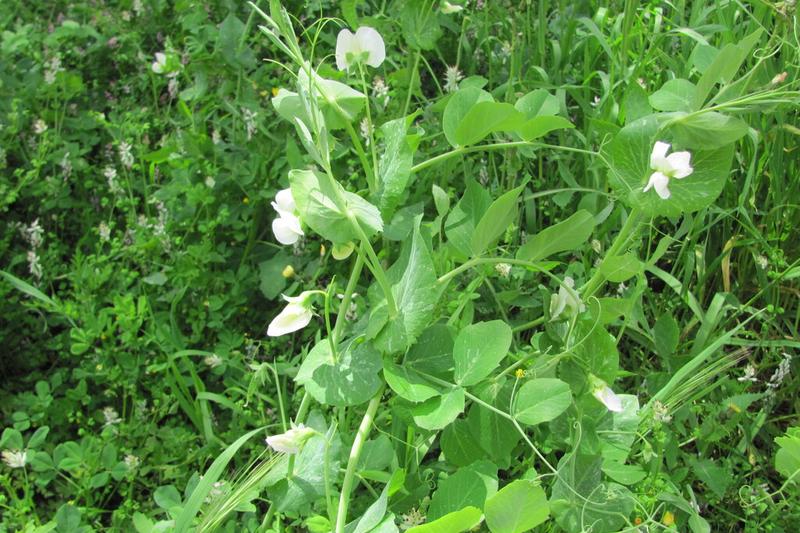
Quick facts
- Watering
- Weekly, more when flowering
- Sunlight
- Full sun
- Soil
- Well-drained, moisture-retentive, fertile
- Humans
- Safe
- Cats
- Safe
- Dogs
- Safe
- Height
- 45–180 cm
- Spread
- 15–30 cm
- Spacing
- 5–8 cm apart
About Pea
Peas are hardy annual climbers native to the Mediterranean and Near East, cultivated in Britain since medieval times. They produce delicate white or purple flowers followed by plump pods containing sweet, tender seeds that are a staple of the British vegetable garden. UK gardeners prize peas for their fresh flavour, ease of cultivation, and ability to thrive in our cool spring climate. Both dwarf and climbing varieties are widely grown, offering harvests from late spring through summer.
UK fact: Peas have been grown in Britain since at least the 13th century and were traditionally sown on or around St Patrick's Day (17th March) in many regions, a custom still observed by allotment holders across the country.
Watering Pea
Peas have relatively shallow roots and benefit from consistent moisture, particularly during flowering and pod formation. In typical UK springs, rainfall is often sufficient, but water weekly during dry periods, applying 10–15 litres per square metre. Increase watering frequency when plants are in flower and setting pods, as drought stress at this stage significantly reduces yields. Avoid overhead watering in humid conditions to minimise fungal diseases.
Sunlight requirements
Position peas in a sunny, open site that receives at least six hours of direct sunlight daily. In the UK, a south-facing plot is ideal, though they will crop reasonably well on east or west aspects. Avoid heavily shaded areas, as poor light results in weak growth and reduced yields.
Soil and feeding
Grow peas in moisture-retentive but well-drained soil with a pH of 6.0–7.5; they tolerate slightly alkaline conditions better than most vegetables. Dig in well-rotted compost or manure the autumn before planting, but avoid freshly manured ground, which encourages leafy growth at the expense of pods. Heavy clay soils benefit from added grit or sharp sand to improve drainage, whilst light sandy soils need generous organic matter to retain moisture. As legumes, peas fix their own nitrogen and require little additional feeding.
Being nitrogen-fixing legumes, peas require minimal supplementary feeding and should not be given high-nitrogen fertilisers, which promote foliage over pods. If growing in poor soil, apply a general-purpose fertiliser at planting time. Once flowering begins, a weekly liquid tomato feed (high in potash) can encourage better pod development, though this is optional in reasonably fertile soil.
Pruning Pea
Peas do not require formal pruning. For climbing varieties, pinch out the growing tips when plants reach the top of their supports (usually around 1.5–1.8 metres) to encourage side shoots and concentrate energy into pod production. Remove any yellowing lower leaves to improve air circulation and reduce disease risk. Dwarf varieties are left to grow naturally without intervention. After harvest, cut plants off at ground level, leaving roots in the soil to release their fixed nitrogen.
Propagating Pea
Propagate peas by sowing seeds directly into prepared soil from late March through to late June for successive harvests. For earlier crops, sow in lengths of guttering, root trainers, or deep modules under cover from February, then slide the entire row into a prepared drill when seedlings are 5–8 cm tall. Peas germinate best in soil temperatures of 10–15°C and typically emerge within 7–14 days. Autumn sowings of hardy varieties in October or November can provide very early spring crops in milder regions.
Common problems
Pea moth is the most troublesome pest in the UK, with larvae tunnelling into pods and eating the developing peas; early or late sowings avoid the main flight period in June and July. Pea and bean weevil notch leaf edges but rarely cause serious damage, whilst aphids can colonise shoot tips and spread viruses. Powdery mildew is common in dry summers, particularly on late sowings, and can be reduced by adequate watering and good spacing. Birds, especially pigeons and sparrows, will eat seedlings, flowers, and young pods unless plants are netted.
Spot a problem with your plant? Photograph the affected area using the Loam app and it will suggest the most likely cause and treatment.
Safety
- Humans
- Safe
- Cats
- Safe
- Dogs
- Safe
Toxicity information is for general guidance only.
Seasonal care calendar
Monthly care guide for Pea in the UK, based on average conditions.
| Month | Care tasks |
|---|---|
| January | Plan crop rotation and order seeds. Prepare supports and netting for spring sowings. |
| February | Sow early varieties in guttering or root trainers under cover for transplanting in March. Prepare outdoor beds when soil conditions allow. |
| March | Begin outdoor sowings of early varieties from mid-month. Transplant February-sown seedlings. Erect supports and protect from birds. |
| April | Continue succession sowings every two weeks. Weed between rows and ensure supports are secure as plants grow. |
| May | Sow maincrop varieties. Water during dry spells and mulch to retain moisture. Watch for aphids on shoot tips. |
| June | Begin harvesting early varieties. Make final sowings of quick-maturing varieties for autumn crops. Water regularly during flowering and pod set. |
| July | Harvest regularly to encourage further pod production. Water well during dry weather to prevent powdery mildew. |
| August | Continue harvesting maincrop varieties. Remove spent plants, cutting at ground level to leave nitrogen-rich roots in soil. |
| September | Harvest final crops from late sowings. Clear finished plants and prepare ground for autumn planting. |
| October | Sow hardy overwintering varieties in milder regions for early spring crops. Protect with cloches in colder areas. |
| November | Protect autumn-sown crops with cloches or fleece. Check supports are secure before winter weather. |
| December | No action needed. Monitor overwintered crops and ensure protection remains in place during cold snaps. |
Frequently asked questions
- How do I know when peas are ready to harvest?
- Shelling peas are ready when pods are well-filled and rounded but still bright green (usually 3-4 weeks after flowering). Mangetout should be picked when pods are flat and about 7-8cm long, before seeds develop. Sugar snaps are ready when pods are plump but still crisp. Pick regularly to encourage more production. Check plants every 2-3 days during peak season as they mature quickly.
- Why are my pea leaves turning yellow?
- Yellowing pea leaves can indicate several issues: nitrogen deficiency in poor soil, waterlogging or poor drainage, root rot, or pea wilt disease. It may also be natural aging of lower leaves. The Loam app can help diagnose the specific cause by analysing photos of your plant and checking whether it's a nutrient, watering, or disease issue, then provide tailored care advice for your conditions.
- What type of soil do peas need to grow well?
- Peas prefer well-drained, moisture-retentive soil with a pH of 6.0-7.5. They thrive in soil enriched with compost or well-rotted manure from a previous crop, but avoid freshly manured ground as this encourages leafy growth at the expense of pods. Peas fix their own nitrogen, so don't need high-nitrogen fertilisers. Heavy clay soils benefit from added grit or organic matter to improve drainage.
Got a question about growing Pea that isn't covered here? Ask the Garden Advisor in the Loam app. It knows your saved plants and local conditions.
Related plants
This page was compiled with AI assistance and reviewed by our team. .